The Story
Why it exists.
The beginning
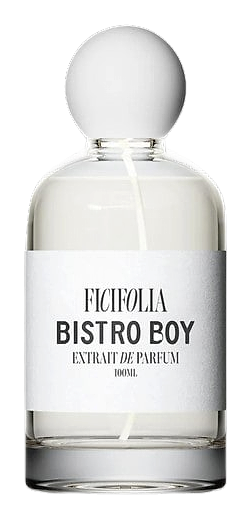
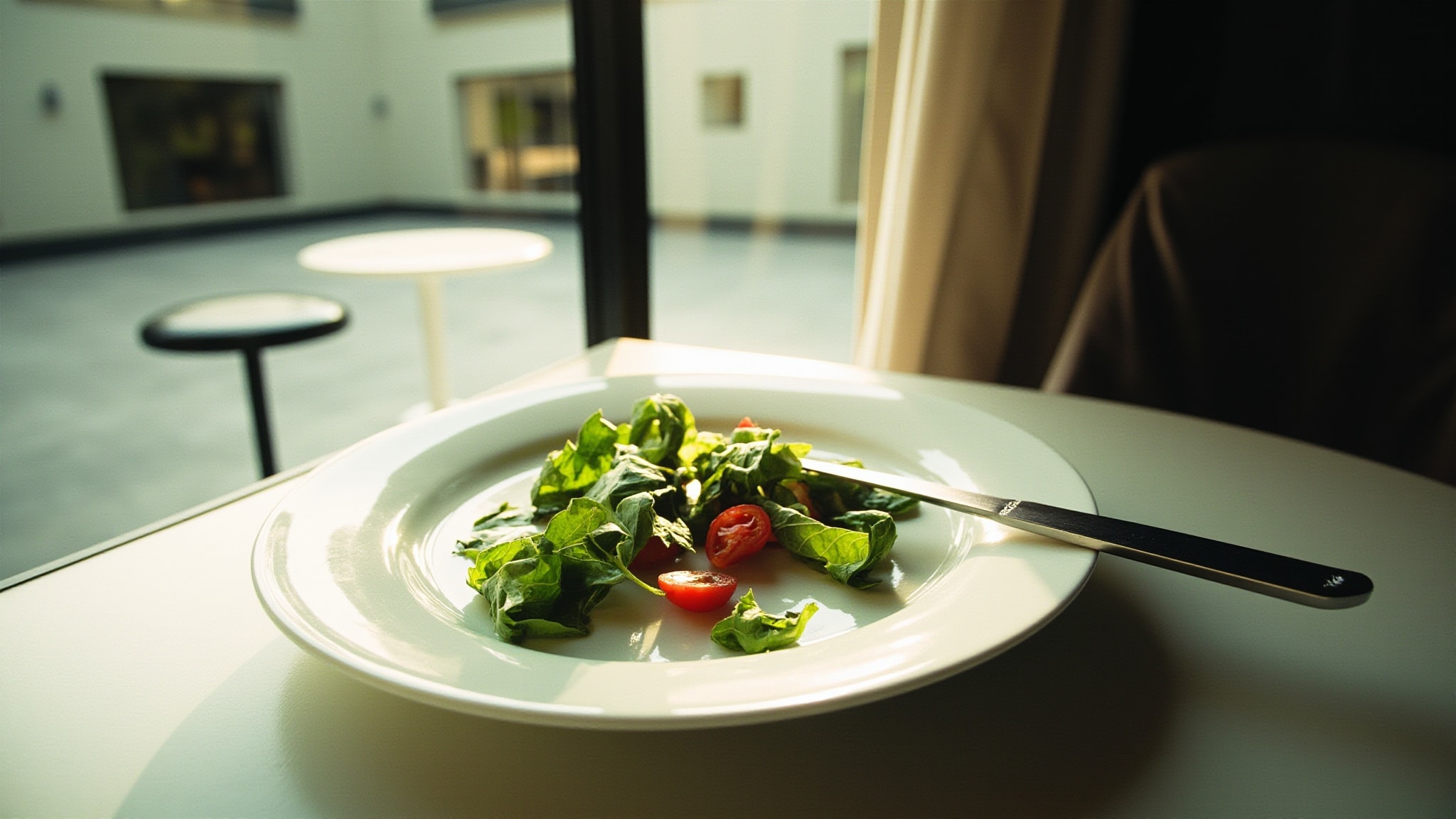
Bistro Boy arrived in 2024 as part of Ficifolia's Sydney Collection. The idea reads like a memory caught mid-bite, drawn from the experience of dining in Sydney's renowned establishments. Tomato leaf, basil, and mint bring the garden-to-table edge of a bistro plate, while eucalyptus adds something cooler, like air moving through an open courtyard door. Rosemary and thyme do the work of warm bread and olive oil in the background. It's a fragrance composed around a specific urban ritual rather than an abstract mood, which gives the whole composition a clear point of departure.
What makes this composition worth a second look is the savoury turn it takes. Tomato leaf is a green note that carries a distinct vegetable bitterness, and placing it beside basil and mint gives the opening a crisp, almost salad-like quality. The herbs do different jobs: basil reads leafy and slightly peppery, mint adds a brighter cool snap, and tomato leaf contributes that savoury, vegetal edge. Then the heart shifts toward rosemary and thyme, which read warmer and more cooked than any of the opening herbs. Cedarwood and musk then give the whole thing a dry, woody floor beneath the greenery.
The evolution
The first impression is bright and vegetal. Basil and mint lift things up, eucalyptus pushes a clean, almost medicinal coolness through the middle, and tomato leaf keeps the opening savoury rather than sweet. As the scent develops, rosemary and thyme come forward, and the character shifts from something you'd sniff over a market stall to something warmer, more like herbs resting in olive oil. The green doesn't disappear. It softens. Cedarwood arrives as a dry, pencil-shaving warmth, and musk settles underneath everything with a soft finish. Over time the sharpness recedes and what's left smells faintly of a tablecloth, cut herbs, and wood, a warm herb-and-cedar trace that stays close and understated.
Cultural impact
Bistro Boy sits inside Ficifolia's Sydney Collection, which translates specific dining experiences into wearable scent. A restaurant meal becomes the raw material for composition, with tomato leaf, basil, mint, and eucalyptus setting the green, savoury opening before rosemary and thyme carry it into warmer territory. Cedarwood and musk provide a dry, woody base beneath the herbs. The framing treats an ordinary outing to a bistro as something worth remembering and rendering, which gives the fragrance an immediacy that makes it easy to approach on its own terms rather than as a formal occasion piece.