
The Story
Why it exists.
The beginning
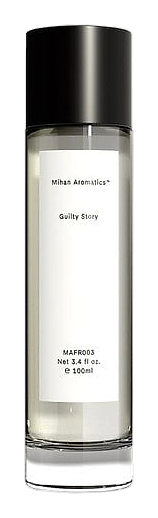
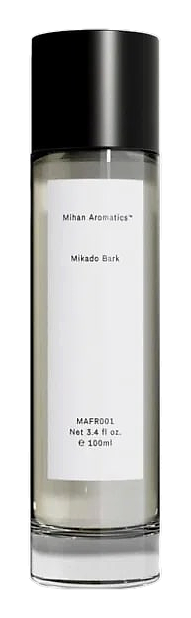
Mikado Bark arrived from Mihan Aromatics, the house where Julia Brown serves as brand owner and Joshua Mihan handles the perfumery himself. The name doesn't reach for far-flung references; it stays close to texture, to bark and branch, the kind of detail you notice on a quiet walk rather than a grand tour. Joshua built it as a woody parfum at 30% concentration, hand-blended in small batches in the brand's Melbourne studio, intended to read genderless and place-driven from the first spray. The composition leans into Australian sandalwood and cedar as structural anchors, giving it a backbone that feels more considered than composed. It was designed for a wearer who finds luxury in landscape they already know, not somewhere they need to fly to.
What makes Mikado Bark worth slowing down for is the way the green and spice elements behave. Bell pepper and rosemary at the opening don't blast citrus brightness; they snap, briefly, then yield to basil and a warm cinnamon-oud heart. The earthy undertone running through the middle adds a soil-like quality to the composition. The base pairing of Australian sandalwood with cedar does the heavy structural work, both woods reading as dry and contemplative in their profiles. The effect is a composition that feels more like a sketch done in confident lines than a painting layered with effect.
The evolution
The opening belongs to the green notes. Bell pepper and rosemary crack through with something almost vegetable-crisp, backed by basil that adds a herbal softness before the warmth starts to build. There's nothing screechy here, no sharp citrus bite, just a clean herbal alertness that reads as composed rather than fresh. As the minutes pass the cinnamon begins to surface, warming the composition from the inside while the oud settles underneath, giving the heart a spiced, slightly resinous gravity that never tips into the heavy or syrupy. Eventually the earthy notes come forward, grounding the composition with a loam-like quality that connects it back to the bark-and-soil suggestion of the name. The drydown is where Mikado Bark becomes itself. Australian sandalwood and cedar take over, laying down a dry, woody base that stays intimate against skin.
Cultural impact
Mikado Bark occupies a specific corner of the niche world, appealing to wearers who want Australian sandalwood's distinctive dry warmth and don't need their scent to project across a room. The muted spice and close-to-skin drydown place it among contemplative compositions, less about performance than about what the fragrance holds close to the wearer. It appeals to a sensibility that finds richness in restraint, that prefers a scent which unfolds slowly and rewards the wearer who pays attention rather than the passerby who catches a trail from across a room.