    Brand Profile

    Mihan Aromatics is a Melbourne‑based niche perfume house that creates genderless scents rooted in the Australian landscape. Since its 2017 l…More

    Australia·Est. 2017·Site

    2

    Fragrances

    3.8

    Rating

    6
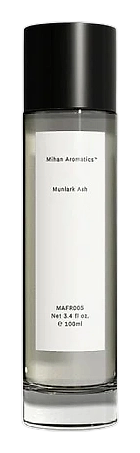
    Munlark Ash by Mihan Aromatics – Eau de Parfum
    Best Seller
    4.0

    Munlark Ash

    Eau de Parfum

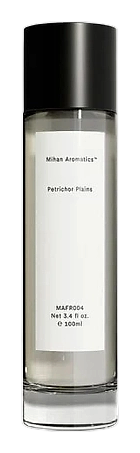
    Petrichor Plains by Mihan Aromatics
    3.6

    Petrichor Plains

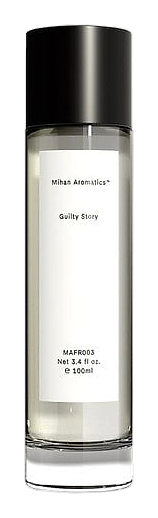
    Guilty Story by Mihan Aromatics
    Best Seller
    4.1

    Guilty Story

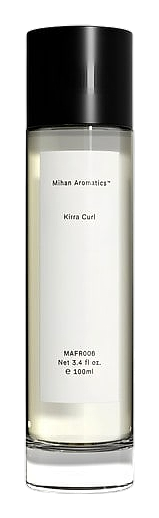
    Kirra Curl by Mihan Aromatics
    Best Seller
    3.9

    Kirra Curl

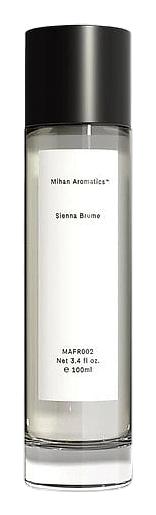
    Sienna Brume by Mihan Aromatics
    3.9

    Sienna Brume

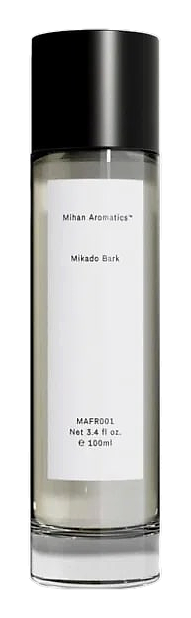
    Mikado Bark by Mihan Aromatics
    3.7

    Mikado Bark

    The Heritage

    The Story of Mihan Aromatics

    Mihan Aromatics is a Melbourne‑based niche perfume house that creates genderless scents rooted in the Australian landscape. Since its 2017 launch, the brand has blended locally sourced botanicals with small‑batch handcrafting to produce fragrances such as Guilty Story, Sienna Brume and Kirra Curl. Its collections aim to translate place and memory into wearable aroma, inviting collectors to explore scent without gender preconceptions.

    Heritage

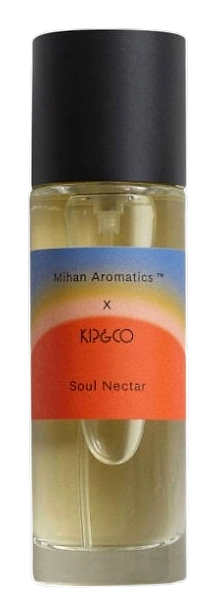
    Mihan Aromatics emerged in 2017 when Julia Brown and Joshua Mihan combined a shared love of scent with a deep connection to the Australian bush. The couple met in Melbourne’s art community and decided to translate the country’s natural palette into perfume. Their first launch, Guilty Story, arrived later that year alongside Sienna Brume and Mikado Bark, establishing a modest but distinct portfolio. In 2018 the brand secured its first retail placement at a boutique on Chapel Street, giving the fragrances a physical home beyond online sales. 2019 saw the introduction of Petrichor Plains, a scent that captured the smell of rain‑kissed earth and earned coverage in The Perfume Society. The following year, Mihan Aromatics partnered with local design label Kip&Co to release the limited‑edition Soul Nectar, a collaborative fragrance that highlighted the brand’s willingness to experiment with seasonal concepts. 2020 marked the release of Munlark Ash, a composition built around Australian ash wood, while 2021 added Kirra Curl, a fresh, surf‑inspired scent that referenced the coastal town of Kirra. By 2022 the house expanded its distribution to niche retailers in the United States, bringing its Australian‑centric narrative to an international audience. In 2023 Mihan Aromatics participated in the Sydney Fragrance Festival, presenting a curated installation that emphasized the brand’s commitment to place‑based storytelling. Throughout its growth, the house has remained independent, retaining a small‑team structure that allows direct oversight of each batch from conception to bottling.

    Craftsmanship

    Every Mihan Aromatics bottle originates in a modest studio on Melbourne’s inner north. The founders oversee a hand‑blending process that limits each batch to no more than 200 ml, ensuring that the scent profile remains consistent from start to finish. Ingredients are sourced primarily from Australian farms that practice regenerative agriculture. Eucalyptus leaf oil, Tasmanian pepperberry, and Western Australian sandalwood appear in multiple compositions and are purchased directly from growers who can certify low‑impact harvesting. When a raw material cannot be obtained locally, the house selects suppliers that meet strict ecological standards, such as FairWild‑certified orchid extracts from the Northern Territory. After maceration, the perfume is filtered through stainless steel mesh and aged in temperature‑controlled rooms for a period that varies by formula, typically between two and six weeks. Quality control includes blind olfactory testing by a panel of three independent perfumers, who compare the batch against a reference sample stored under identical conditions. Bottles are filled using a semi‑automatic pump that minimizes exposure to air, preserving the integrity of volatile top notes. The final product is sealed with a cork that is either reclaimed from previous runs or sourced from sustainably managed forests, reinforcing the brand’s circular‑material ethos.

    Design Language

    Mihan Aromatics adopts a visual language that mirrors the simplicity of its scent philosophy. Bottles feature a matte, amber‑tinted glass that evokes the hue of sun‑warmed sand, while the caps are brushed aluminium with a subtle brushed‑metal finish. Labels consist of a thin, off‑white paper strip printed in a clean sans‑serif typeface; the only graphic element is a faint outline of a native Australian plant, such as a wattle seed or a gum leaf, positioned at the bottom. The overall look avoids ornamentation, allowing the perfume itself to become the focal point. Marketing imagery frequently showcases the fragrances against natural backdrops—eucalyptus forests, coastal cliffs, or outback horizons—reinforcing the connection to place. On the brand’s website, product pages use ample white space and high‑resolution macro photography that highlights the texture of the glass and the subtle gradient of the liquid. This restrained aesthetic aligns with the house’s commitment to authenticity and positions the fragrances as objects of quiet contemplation rather than flamboyant spectacle.

    Philosophy

    Mihan Aromatics frames fragrance as a bridge between memory and environment. The founders describe their work as an effort to capture the scent of a specific landscape rather than to follow seasonal trends. Their creative process begins with field trips to eucalyptus groves, coastal dunes or rain‑soaked plains, where they record olfactory impressions and collect raw material samples. The brand rejects gendered marketing, presenting each perfume as a scent for any wearer. This genderless stance reflects a broader belief that aroma belongs to the body, not to a prescribed identity. Sustainability informs their choices: they prioritize ingredients that can be harvested responsibly in Australia and avoid synthetic musks that lack a natural origin. Transparency guides their communication; product pages list the primary natural extracts and the proportion of each note. By grounding each fragrance in a tangible place, Mihan Aromatics invites users to experience a moment of Australian geography wherever they are.

    Key Milestones

    2017

    Founders Julia Brown and Joshua Mihan launch Mihan Aromatics and release the debut trio Guilty Story, Sienna Brume, and Mikado Bark.

    2018

    First retail placement secured at a boutique on Chapel Street, Melbourne, expanding physical reach.

    2019

    Petrichor Plains debuts, earning coverage in The Perfume Society for its rain‑kissed earth profile.

    2020

    Collaboration with Kip&Co produces limited‑edition Soul Nectar, highlighting seasonal experimentation.

    2021

    Kirra Curl launches, referencing the coastal town of Kirra and expanding the brand’s surf‑inspired line.

    2023

    Mihan Aromatics presents a curated installation at the Sydney Fragrance Festival, emphasizing place‑based storytelling.

    At a Glance

    Brand profile snapshot

    Origin

    Australia

    Founded

    2017

    Heritage

    9

    Years active

    Collection

    2

    Fragrances released

    Avg Rating

    3.8

    Community sentiment

    Release Rhythm

    2021
    1
    2020
    1
    2019
    1
    2017
    3
    mihanaromatics.com

    Did You Know?

    Interesting Facts

    Distinctive details and defining moments that shape the house personality.

    01

    All Mihan Aromatics fragrances are marketed as genderless, allowing any wearer to choose based on scent preference alone.

    02

    The brand sources eucalyptus leaf oil directly from farms that harvest leaves without harming the trees, supporting regenerative practices.

    03

    Mihan Aromatics avoids synthetic musks, opting instead for natural ambergris alternatives derived from sustainably harvested marine sources.

    04

    Bottle caps are made from reclaimed aluminium, and the glass is produced from recycled material, reinforcing a circular‑design approach.

    05

    The name "Mihan" combines elements of the founders' surnames, symbolizing their partnership in both life and creative work.

    The Artisans

    The Perfumers