The Story
Why it exists.
The beginning
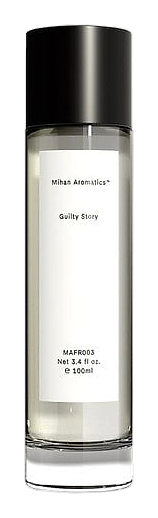
Guilty Story arrived in 2017. The name came first: a confession. Each layer reveals something the last one hid. The bergamot opens sharp, the sandalwood settles close. The composition builds around brightness and depth, around citrus that cuts and wood that lingers. The fragrance feels like a memory of somewhere you've never been, familiar in a way that's hard to place, easy to return to.
The note structure pulls from two worlds. Bergamot and black pepper open fast, almost confrontational, a quick impression that doesn't linger. Then the heart takes over: saffron brings a warm, slightly medicinal edge while tobacco adds dry weight. Chinese cinnamon wood threads through in the background, sharper than the powdery cinnamon you'd expect. Australian sandalwood and cashmere wood anchor the base, smooth, close, intimate rather than projecting. The composition earns its name by never quite revealing everything at once.
The evolution
Bergamot and black pepper hit clean, a brief moment of brightness before the spices assert themselves. Saffron and tobacco arrive, the two notes circling each other in a conversation that gets louder before it gets quieter. Chinese cinnamon wood adds a sharp backbone through the heart phase, resinous, keeping the warmth from going soft. By the drydown, the composition has settled into its base: Australian sandalwood and cashmere wood, close and warm, intimate rather than projecting. The sillage moderates as it wears. You smell it most clearly yourself. On most skin types, the full arc runs six to eight hours, with the drydown lasting well into the evening without ever demanding the room's attention.
Cultural impact
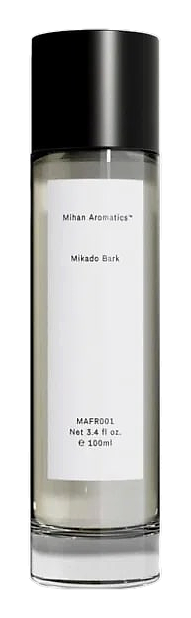
Mihan Aromatics occupies a different register from mainstream niche, less about luxury signaling, more about personal landscape. Guilty Story fits that positioning: a fragrance that asks you to find your own meaning in it rather than being told what it should mean. It's a quiet argument against perfumery as status. The house suggests that what you smell on your own skin matters more than what others notice across a room. That approach has found an audience tired of fragrance as performance.