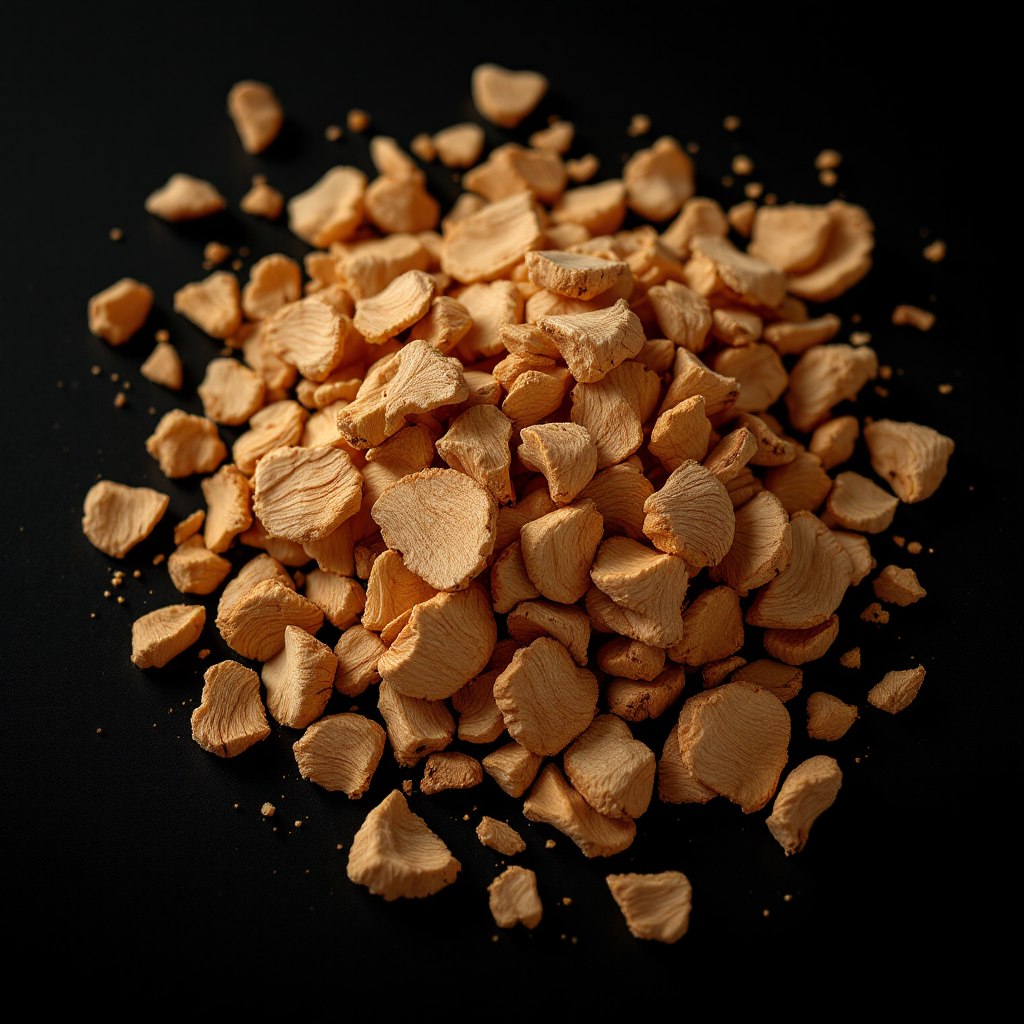
Chinese Cinnamon Wood
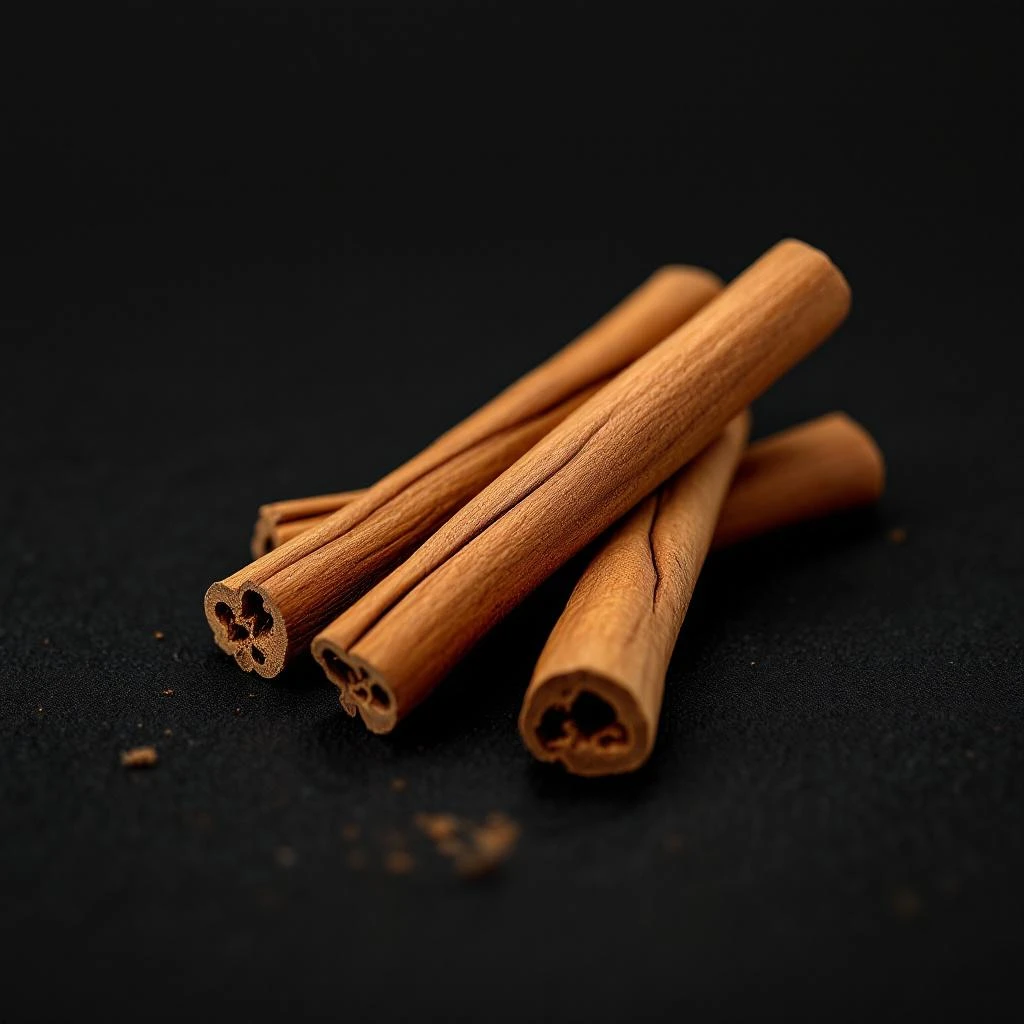
Chinese Cinnamon Wood, derived from the Cinnamomum cassia tree, delivers a bold, warm spice that perfumers have prized for millennia. Deeper and more assertive than its Ceylon counterpart, it anchors oriental fragrances with an intensity that commands attention.
Character
How it smells
A commanding warmth from ancient China.
Cassia bark contains up to 2% coumarin, a compound that produces its characteristic sweet undertone and legal restrictions in some countries.






Origin
China
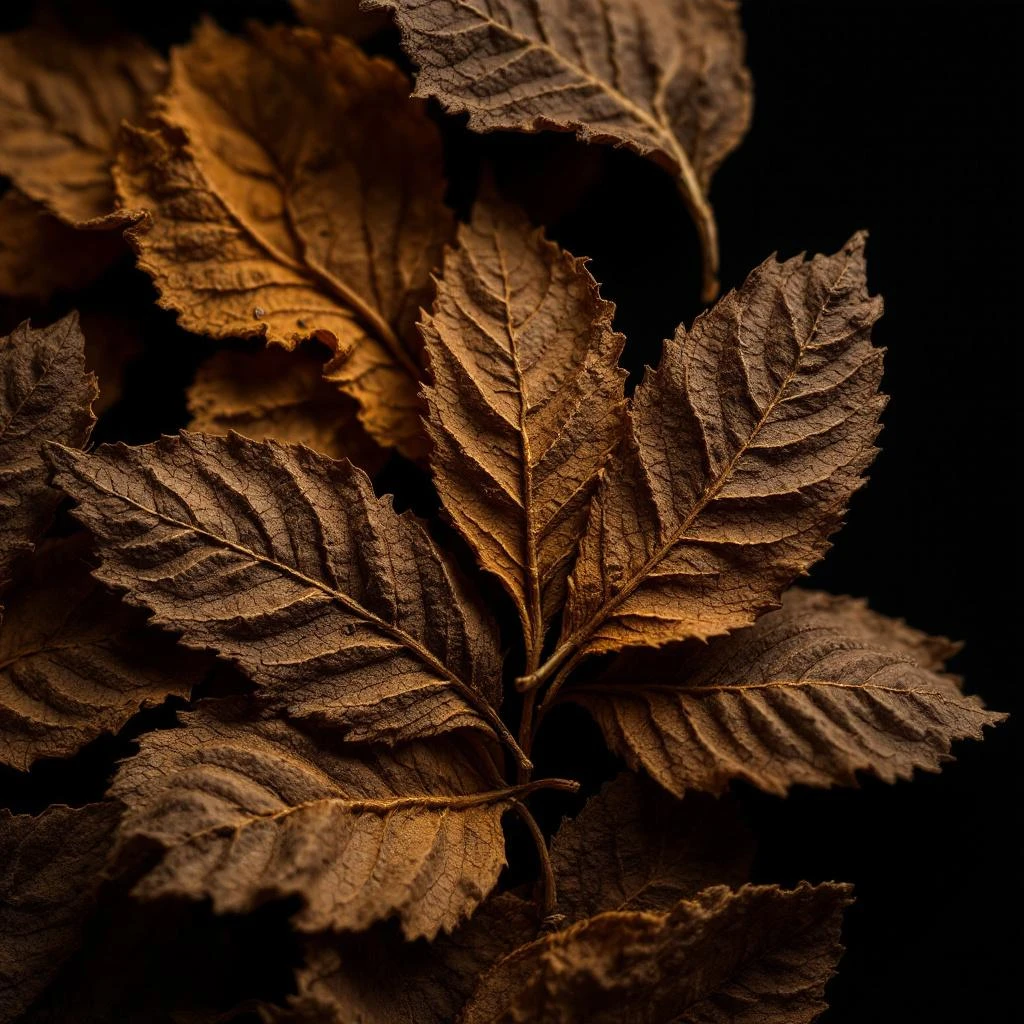
Chinese cinnamon appears in texts from 5000 BC, making it one of the oldest documented perfume ingredients. Ancient Chinese emperors used cassia in ceremonial incense to honor ancestors and deities. By 2000 BC, caravans carried the bark westward along trade routes that would eventually connect to the Mediterranean.
Egyptian embalmers incorporated cassia into their preparations, while Greek and Roman physicians prescribed it for digestive ailments and aromatic fumigation. Medieval European apothecaries valued cassia equally with gold, storing it in locked chests to prevent pilferage. The spice trade spurred maritime competition among Portuguese, Dutch, and British powers, each seeking exclusive access to Asian growing regions.
By the 18th century, plantations in southern China and Vietnam had largely replaced wild-harvested supplies, establishing the commercial infrastructure that still operates today.
Wears it best
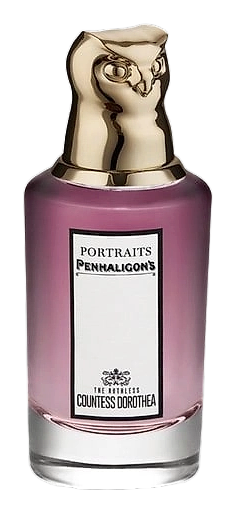
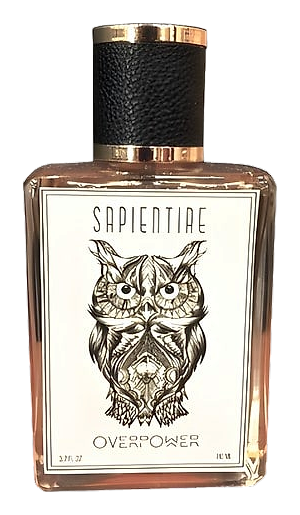
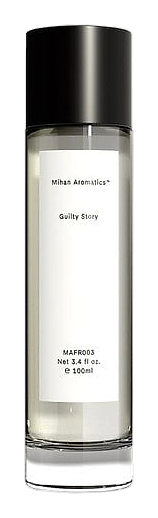
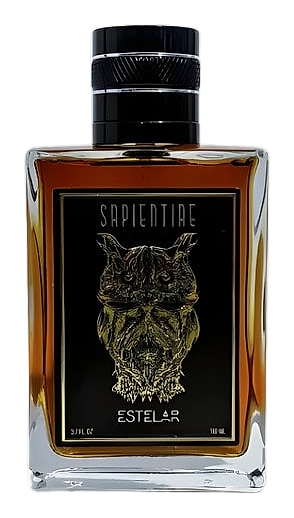
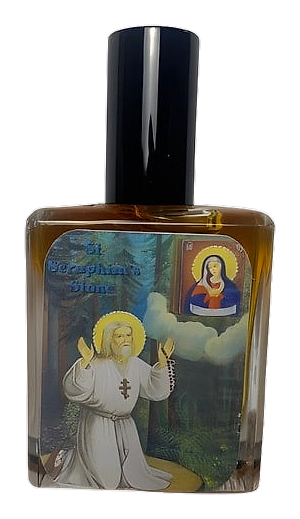
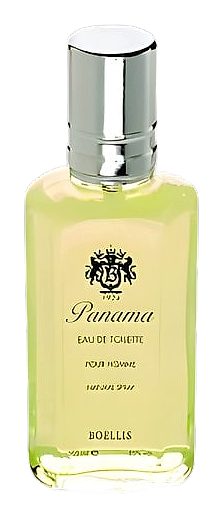
Fragrances featuring Chinese Cinnamon Wood

Brands
Brands known for Chinese Cinnamon Wood
Good to know
Questions, answered
The essentials on Chinese Cinnamon Wood in perfumery: how it smells, where it comes from, and how it behaves on skin.
What does Chinese cinnamon smell like?
Cassia offers a sharp, warm aroma with sweet undertones and a peppery bite. It reads as more assertive and slightly bitter compared to Ceylon cinnamon, with resinous depth that suits oriental compositions.
Is Chinese cinnamon the same as Ceylon cinnamon?
No. Chinese cinnamon (Cassia, Cinnamomum cassia) contains higher coumarin levels and delivers a bolder, less refined spice. Ceylon cinnamon (Cinnamomum verum) tastes sweeter and subtler, with significantly lower coumarin content.
Which perfume families use cassia?
Cassia appears frequently in oriental and spicy fragrance families. Perfumers pair it with sandalwood, vanilla, and incense notes, though they also use it in fougère and chypre structures to add warmth.
Is cassia safe in skin products?
Coumarin content varies by source and extraction method. International regulations limit coumarin concentration in leave-on cosmetics. Most fragrance houses source low-coumarin chemotypes for consumer products.
Can I use cassia oil directly on skin?
Cassia oil is a potent sensitizer and must be diluted to below 0.1% in finished products. Neat application risks irritation and allergic reaction.
What extraction method produces cassia oil?
Steam distillation of dried bark yields cassia essential oil. The bark is ground and exposed to saturated steam, which carries volatile compounds through a cooling system where they condense into oil and hydrosol.
Where does commercial cassia grow?
Southern China produces most of the global supply, particularly in Yunnan, Guangdong, and Sichuan provinces. Vietnam and Myanmar contribute smaller volumes to the market.
How long has cassia been used in perfumery?
Archaeological evidence places cassia in Chinese ceremonial incense from at least 5000 BC. Trade records show it reached the Mediterranean by 2000 BC, establishing its role as one of the earliest aromatic ingredients in Western perfumery.