
The Story
Why it exists.
The beginning
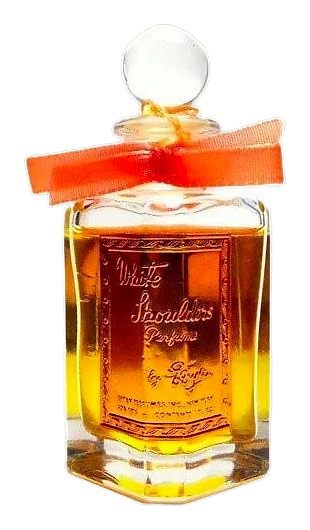
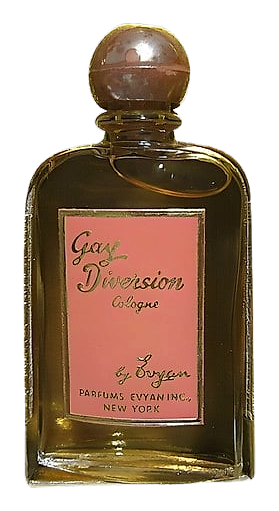
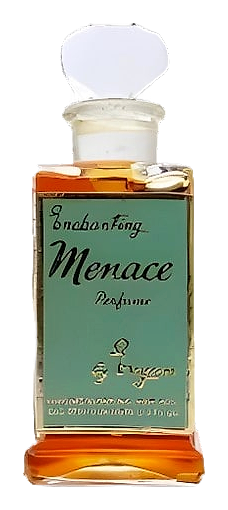
Menace arrived in 1943 from Evyan, a perfume house whose earliest popular success was White Shoulders. With Menace, the brand offered a departure from its gentler signature, a composition built on the chypre floral structure common to its era but weighted with a heavier hand. The fragrance leans into the animalic materials that defined mainstream perfumery of the period, stacking civet generously enough to give the juice its unsettling warmth. That civet is what gives Menace its pull on the skin, a dense almost furry sweetness that clings and doesn't let go. The composition reads as confident, almost confrontational, built to be noticed rather than whispered.
The structure tells the story. Bright citrus opens, orange, lemon, bergamot, a traditional French-style entrance that lifts off the skin with sharp clarity. But the heart dives into white florals with weight: rose, jasmine, ylang-ylang, orange blossom. Not delicate, not sheer. These bloom heavy, almost narcotic, the kind of floral that fills a space and stays there. As the hours pass, those florals don't fade so much as deepen, their sweetness getting richer and slightly waxy from the civet underneath. And the base, musk, oakmoss, patchouli, civet, that is where Menace earns its reputation.
The evolution
The first fifteen minutes are bright and almost disarming. Orange and lemon hit first, bergamot underneath giving it that cologne-clean sparkle, the kind of opening that makes you think you know what you're getting. It reads like a polite daytime fragrance. Then the florals start climbing. Rose comes in early, jasmine follows, and ylang-ylang and orange blossom fill the spaces between. The heart doesn't build gradually, it arrives. Within thirty to forty minutes the composition is full, dense, almost overwhelming in its floral weight, the white bouquet laid over something warmer and earthier. The base materials, the oakmoss and patchouli, the civet, they have been working underneath the whole time, and by the two-hour mark they take over. This is the Menace phase. The florals recede and the animalic warmth comes forward, musk close to skin, civet giving it that slightly dirty, slightly human quality that made 1940s chypres famous. The oakmoss keeps it grounded, mossy, green under the warmth. It holds this phase for hours.
Cultural impact
Menace belongs to a specific lineage of mid-century animalic fragrances that arrived when perfumers weren't shy about loading their compositions with civet, musk, and castoreum. The 1943 launch date places it in a period when these materials were everyday tools rather than niche oddities, when civet was used freely enough to give a perfume an almost unwashed warmth that many wearers found thrilling. Menace sits firmly inside that tradition, with a civet-forward base that puts the animalic material front and center rather than tucking it away.