




Heritage
A house, in its own words
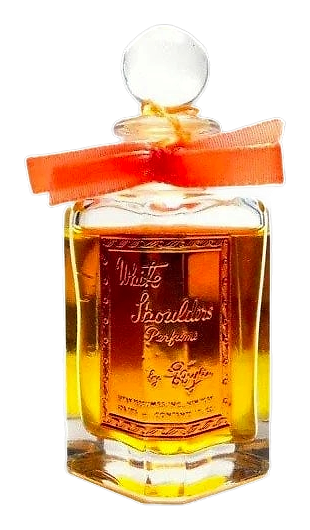
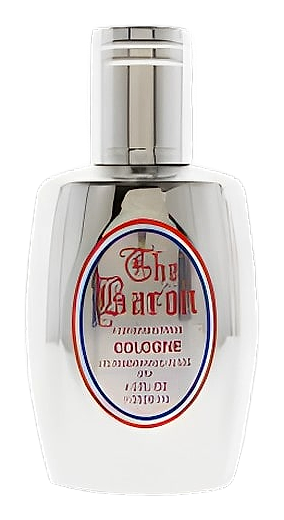
Baron Walter Langer von Langendorff arrived in the United States as an Austrian immigrant with formal training in chemistry, a background uncommon among American perfumers of his era. Rather than pursuing a conventional career, he channeled his scientific knowledge into fragrance creation, establishing Evyan Perfumes Inc. in New York City around 1930. His wife, Evelyn Diane Westall, played an integral role as Lady Evyan, lending her name and identity to the brand that would become synonymous with American elegance. The couple positioned Evyan explicitly as an American answer to French perfumery, which dominated the global fragrance market at the time. Baron Langer von Langendorff's chemist training set him apart from many contemporary perfumers who relied on traditional apprenticeship methods. The founding of Evyan coincided with a growing American middle class seeking luxury goods manufactured domestically. White Shoulders emerged in the 1940s, though sources vary on the precise launch date, with some citing 1943 and others suggesting 1949. The fragrance achieved commercial success that validated the founders' ambition to create a distinctly American luxury scent. Beyond White Shoulders, the house expanded its portfolio with releases including Menace (1943), Gay Diversion (1946), Golden Shadows (1950), Great Lady (1957), Most Precious (1951), The Baron (1961), and Enchanting Menace (1958). The Baron, released in 1961, appears to have been named explicitly for the founder himself. In 1967, Baron Langer von Langendorff acquired the South Compo estate, where he resided until his death in 1983. The house of Evyan gradually diminished in prominence toward the end of the 20th century, though its historical output included eight perfumes. The partnership between a European-trained chemist and his American-born wife created a unique synthesis of approaches that shaped the house's character throughout its active decades. Baron Walter Langer von Langendorff founded Evyan with a clear competitive objective: to demonstrate that American perfumery could rival French craftsmanship. His background as a chemist rather than a traditional perfumer influenced the house's approach to fragrance creation. Rather than relying solely on artistic intuition, he applied scientific methodology to fragrance composition, bringing analytical precision to an industry often defined by romantic narratives. The name Evyan itself contained an intentional reference, combining Evelyn's name with a phonetic echo suggesting evocation of French elegance. Lady Evyan's involvement extended beyond mere association; she participated actively in the brand's development, lending her identity to a perfume house that sought to make luxury accessible to American consumers without sacrificing quality. The house's portfolio reflected deliberate market positioning across different fragrance categories. Great Lady targeted women seeking bold, memorable signatures. Menace and Enchanting Menace suggested more daring, provocative personalities. Most Precious hinted at precious, rare materials. The Baron catered to male consumers, demonstrating the house's interest in broader market segments. The founders appeared to believe that American women deserved domestic alternatives to imported European fragrances, a philosophy rooted in national pride during an era when imported luxury goods dominated the market. Baron Langer von Langendorff reportedly created the White Shoulders fragrance himself, personally formulating the scent that would become the house's signature.