
The Story
Why it exists.
The beginning
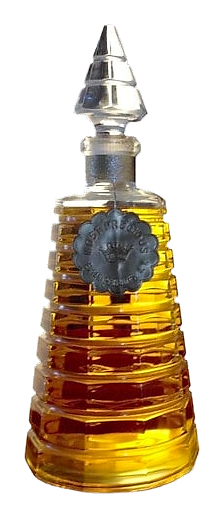
Most Precious arrived in 1951 as Evyan's answer to the French dominance of high perfumery. While Chanel and Patou built empires on lush florals, an American house with a chemist-founder and something to prove set out to demonstrate that restraint and richness could coexist. The cologne concentration was a deliberate choice, not a compromise, but a statement. You didn't need to drench yourself to leave a mark. The name itself carried weight. Most Precious suggested something earned, not inherited. A fragrance for the woman who insisted on presence without apology, who understood that sophistication wasn't borrowed from European tradition but claimed outright. The floral structure, honeysuckle leading, a green heart of lily of the valley and Narcissus, then the tropical richness of tuberose and gardenia, reflected an American garden sensibility rather than French abstraction. This was flowers as they actually grew, arranged with intention.
What makes Most Precious structurally distinctive is its treatment of the green-floral tension. Most lush florals bury their supporting notes under the weight of the heart. Here, the green notes, Narcissus, lily of the valley, don't just accompany the florals. They provide counterweight. The honeysuckle opening reads as sweet only because the green keeps it honest. The tuberose-gardenia heart feels creamy rather than heavy because the composition never loses its cool undertone. The tonka bean base is minimal by design. In a denser format, you'd expect woods, musks, something to anchor the florals for hours. Instead, the cologne ends on a soft, vanillic warmth that doesn't project, it lingers.
The evolution
The opening hits immediately with honeysuckle's intoxicating nectar quality. Not sharp, not green yet, just the smell of something blooming in full sun. Within minutes, the green notes arrive: Narcissus adds a clean, almost astringent clarity while lily of the valley contributes that dewy, just-cut quality. The two register as a single impression: a garden after rain. The fruity notes, pear, apricot, the suggestion of ripeness, float beneath the florals without asserting themselves. They add sweetness without weight. This phase lasts longer than expected for a cologne, the green-floral balance holds for an hour or more before the heart begins to assert itself. When the heart arrives, it doesn't crash. Jasmine appears first, adding warmth and depth. Then tuberose, creamy, slightly animalic, the note that separates gardens from greenhouses. Gardenia follows with its waxy, buttery richness. Carnation adds a hint of spice. Orange blossom keeps everything clean with its bright, soapy clarity.
Cultural impact
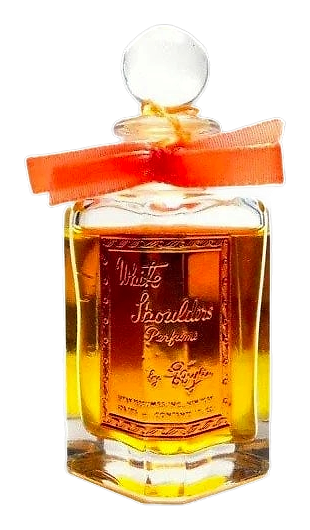
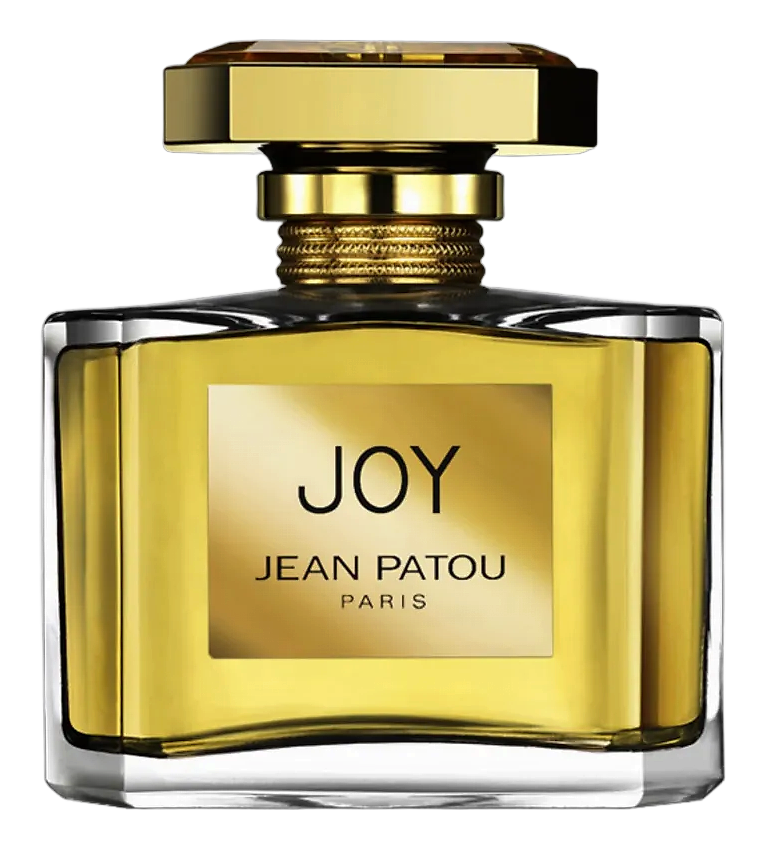
Most Precious occupies a quiet place in American fragrance history, less famous than White Shoulders, less lionized than the French classics it emulated, but no less accomplished. The combination of honeysuckle, tuberose, and green undertones places it in conversation with Joy and Fracas, though Evyan's approach favors restraint over opulence. For those who seek it out, the fragrance offers something increasingly rare: a mid-century American floral with genuine complexity, built for a woman who wanted presence without performance.