
The Story
Why it exists.
The beginning
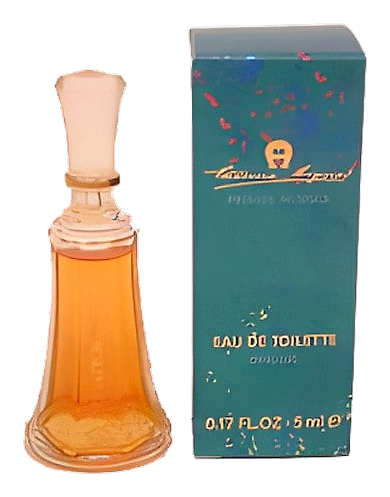
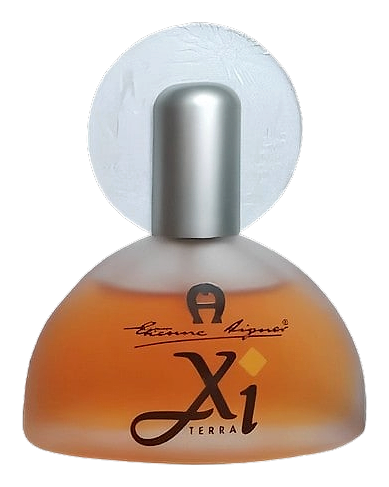
Xi Terra arrived in 1993 from Etienne Aigner. It carries the contradictions of its decade: a period when categories softened, barbershop fougères were losing their sharper edges, and the lines between masculine and feminine fragrance were beginning to blur. That cultural weather shaped what this bottle became. The composition speaks to that liminal moment. It opens bright, almost cheerful, then settles into something mossier and more grown. There's a sweetness underneath the brightness that keeps pulling you back in, the kind of sweetness that feels engineered rather than grown, deliberate rather than accidental. The iris arrives quickly and stays, giving the whole thing a cosmetic coolness, the ghost of a lipstick on a warm wrist.
What makes Xi Terra worth understanding is the tension at its center. Citrus at the entrance, iris and rose in the heart, moss at the floor. But here's the twist, the heart is heavy on fruity, spicy edges that give the fragrance its particular weight. That combination creates a sweet-synthetic tension that some wearers love and others find dated. The iris-powder note is particularly worth noting. Iris in this register leans cosmetic, almost lipstick-like, giving the fragrance a private, skin-ward quality. It's an ingredient that refuses to perform for a room.
The evolution
The first 15 minutes are bright and slightly sharp, citrus zest with that quick-bite character common to early-90s fragrances. It doesn't stay there long. By the 30-minute mark, the heart begins to assert itself. The fruit notes emerge in a stewed, slightly jammy form, not natural-tasting but recognizable. Rose and jasmine stay muted, present but never solo. The iris starts to dominate around this time, turning the composition powdery and cool, almost like the ghost of a lipstick left on a coffee cup. Spice threads through everything, more texture than flavor. The drydown is where this fragrance settles into its real character. Moss and woods take over, earthy and grounded, with a warm musk that hovers at skin temperature. It stays there. What lingers the longest is the iris-moss accord, dry, slightly bitter, elegant in a word most wearers reach for but can't quite place.
Cultural impact
Xi Terra has found a quiet kind of devotion. The powdery iris against mossy base, the sweetness that never tips into something thick or heavy, this combination has earned the fragrance a particular kind of loyalty. The production being reportedly discontinued has only added to its pull. Vintage collectors who remember these compositions describe Xi Terra as belonging to a brief window when powdery florals could still carry a little edge, when the synthetic sweetness was a feature rather than a flaw. It sits in a small category of early-1990s fragrances that balanced restraint with character, and that balance has become harder to find.