The Story
Why it exists.
The beginning
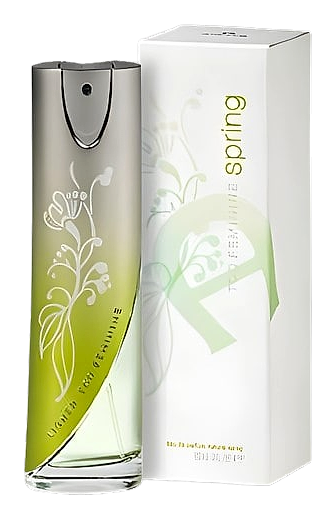
By 2007, fruity-floral was everywhere. Etienne Aigner, the German leather house known for restraint since 1949, wanted something different. "Too Feminine Spring" carried that quiet provocation in its name. The brief wasn't just another magnolia-and-peony. It was the idea of femininity pushed slightly past comfortable, then pulled back by something earthier. Basil and tamarind in the top were the signal: this would not be polite. The house treated each release as an extension of its leather heritage, clear structure, balanced accords, nothing wasted. This one was no exception, even if the notes bent the rules.
What makes Too Feminine Spring worth examining is its unusual top trio. Blackcurrant's tanginess is standard, but pairing it with basil, an herb more common in savory contexts, and tamarind's pulp creates an aromatic-fruity quality that doesn't behave like typical perfume. The heart is where the house's classic training shows: magnolia's almost waxy creaminess, jasmine's richness, cyclamen's watery dewy lift. The florals are handled with precision, never overwhelming, always proportionate. The base is where restraint pays off, vetiver and patchouli keep the florals from floating into abstraction, grounding them with green-chocolate earthiness that extends the wear into real longevity.
The evolution
The opening announces blackcurrant and tamarind, bright, tart, immediately fruity. Basil arrives within seconds and changes everything, pulling the sweetness toward herbal-green. That herb-mineral quality is the fragrance's thesis, and it's unusual enough to either hook you or put you off entirely. The heart takes over around the 20-minute mark. Magnolia leads, heavy and almost waxy, with jasmine threading warmth underneath. Cyclamen adds a dewy, slightly green lift. This is the longest phase, the one the composition was built around. Then the base arrives, and here's where it gets interesting. Vetiver and patchouli don't just finish, they compete with the florals. The magnolia goes darker, greener, its creaminess pushed against earthy vetiver. Ylang-ylang adds a creamy, slightly indolic depth. The tension between romantic florals and earthy grounding never fully resolves. It fades into something skin-close and warm.
Cultural impact
Too Feminine Spring appeared at the height of the 2000s fruity-floral era, when every brand seemed to be releasing variations on the same tuberose-peony-musk template. By anchoring its magnolia heart in basil and tamarind, the composition offered something different, aromatic-fruity rather than simply sweet. It never achieved the commercial visibility of its contemporaries, but for those who found the standard fruity-floral template too predictable, this was the alternative. The fragrance attracted wearers who wanted femininity with an edge, someone drawn to florals but unwilling to abandon her basil plants.