The Story
Why it exists.
The beginning
Jasmine White Moss lives in the Private Collection, Estée Lauder's intimate line, reserved for compositions with personal weight. The third fragrance in this range was created by Aerin Lauder in honour of her late grandmother, Estée Lauder herself. Jasmine was her grandmother's name, her gesture, her perfume language. The brief wasn't abstract: take jasmine and make it last. Make it green. Make it yours. Jean-Marc Chaillan built the composition around the tension between the flower's opulent warmth and an almost mineral coolness from moss and vetiver, so the jasmine you smell isn't a beachy summer staple. It's the jasmine that survives autumn.
The pyramid leans heavily white floral, jasmine, orange blossom, ylang-ylang, but the galbanum and blackcurrant at the top pull the composition toward something sharper than sweet. Iris and violet add powdery dimension in the heart, which is unusual in jasmine-dominant scents that typically favour transparency over depth. The moss and patchouli base is the tell: this is a chypre structure, not a soliflore. Green opening, floral heart, earthy drydown. The whole arc reads as one continuous conversation between warmth and coolness, rather than a before-and-after story.
The evolution
Galbanum opens, sharp, green, almost vegetable. Mandarin and bergamot arrive a minute later, but they don't soften the green; they sharpen it further. The jasmine appears around the five-minute mark, but it's guarded by iris powder, so the sweetness stays measured. Orange blossom emerges by the half-hour, adding a waxy, indolic richness that the jasmine needed. The heart holds for the next two hours without wavering. Then, around the third hour, the moss arrives. Not the forest-floor cliché, something cleaner, slightly humid, like wet stone in a greenhouse. Vetiver and patchouli settle underneath and stay. By the sixth hour, you're left with a faint moss-and-patchouli warmth on skin. On fabric, it lingers until the next wash.
Cultural impact
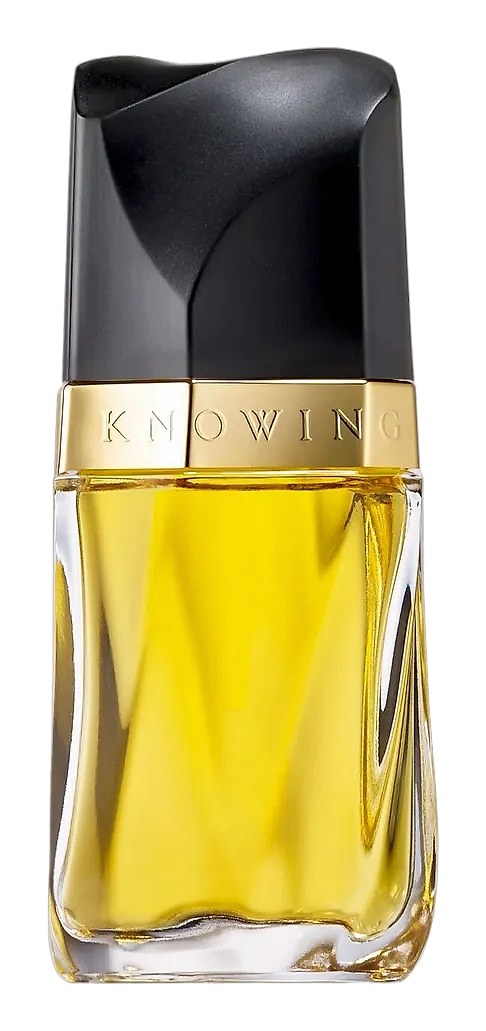
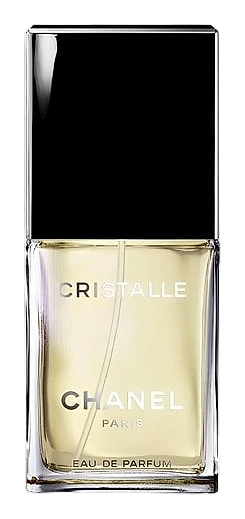
Jasmine White Moss arrived in 2009 as a quiet statement in a market saturated with fruity-floral launches. Described by the brand as a "modern chypre," it rejected the transparent florals dominating the era in favour of structured green-and-earth depth. It finds company in the lineage of Cristalle and Knowing, fragrances that use jasmine as architecture rather than decoration.
The House
Estée LauderEstée Lauder stands as one of the defining houses in modern perfumery, born from the ambition of a woman who believed every person deserved to feel beautiful. Founded in 1946 in New York City by Estée Lauder and her husband Joseph, the company began with just four skincare products and grew into the world's second-largest cosmetics corporation. Today, the brand continues to embody the founder's original vision of transformative beauty, creating fragrances that balance timeless elegance with contemporary relevance. Estée Lauder's scent collection spans decades of olfactory innovation, from the legendary Beautiful to newer interpretations that honor the house's rich heritage while appealing to modern sensibilities.
The Creator
Jean-Marc ChaillanJean-Marc's olfactive fingerprint is unmistakable: sweet and sultry notes woven with the warmth of bodily musks and oriental depths. His Latin-inspired creations carry a sensual warmth that distinguishes them from cooler, more clinical compositions.