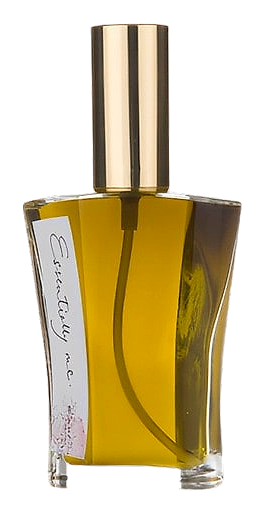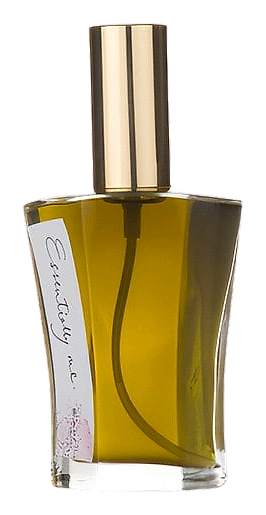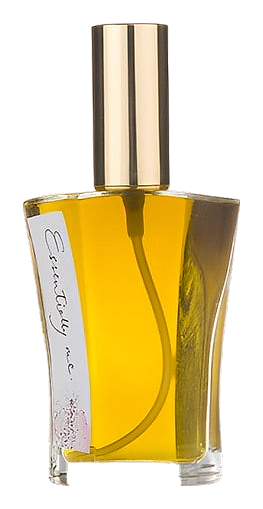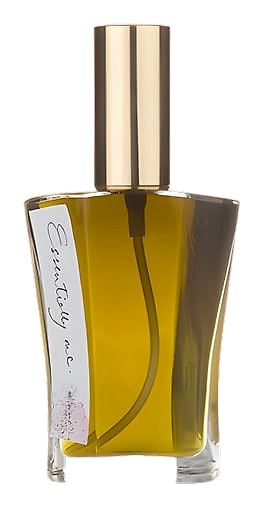
The Story
Why it exists.
The beginning
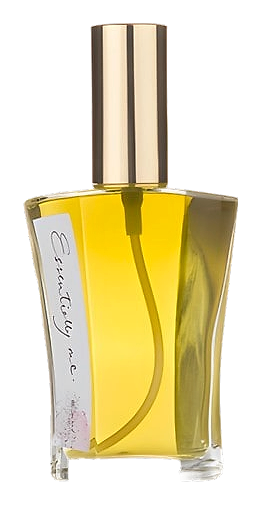
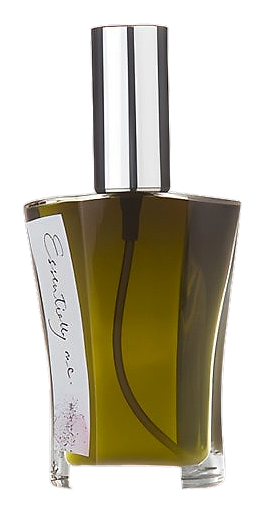
Souk was launched in 2000 by Alec Lawless, a perfumer associated with an English eye for aromatic structure and a fascination with the scent cultures of the Middle East and India. The name points to the souk as a place of exchange: a sensory market where spices, resins, flowers and citrus sit side by side. Its composition reflects that crowded richness without becoming a literal shopping-bag collage. Neroli, rose and jasmine bring light and polish. Green notes and citruses introduce movement, while spices and opoponax add darker heat. Incense, cedarwood and sandalwood settle the whole into a woody, resinous base, giving Souk its balance of brightness and shadow.
The interesting part is the meeting of floral polish and resinous depth. Orris root brings a powdery, almost suede-like softness, while rose keeps the heart elegant rather than sweet. Opoponax contributes a dark, balsamic-resinous dimension, and incense sharpens it with a trace of smoke. Sandalwood and cedarwood then make the composition feel grounded and tactile. The result isn't simply a pretty floral with wood underneath. It's a fragrance that lets cool citrus, green foliage, spice and incense occupy the same space.
The evolution
Souk begins with a polished lift: neroli, rose and jasmine are cut by green notes and citrus, giving the opening a clean, leafy brightness. Orris root softens that brightness into a cool powder, while the heart introduces spices and opoponax, where the fragrance gains heat and a balsamic edge. As it settles, incense and woods take control. The drydown is the most distinctive part, less floral and more tactile, with sandalwood rounding the composition and cedarwood keeping it from turning too soft. On skin, the arc should carry for 6-8 hours, lingering close to the body like polished rose, incense and warm cedar. The surprise is how woody it becomes without losing the rose.
Cultural impact
Souk belongs to the house's wider fascination with cultural exchange: spice, resin, rose, cedar and incense presented as a sensory meeting point. Its English floral polish and Middle Eastern and Indian reference points give it a distinctive place beside more overtly sweet orientals, while its moderate projection suits intimate, cultivated settings.
The House
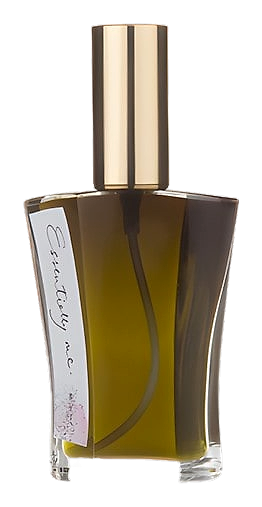
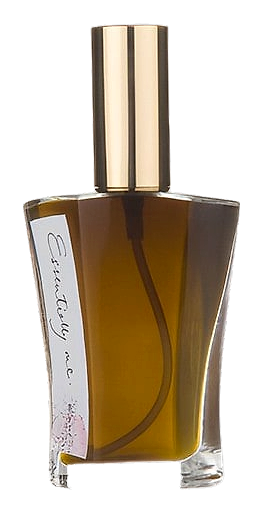
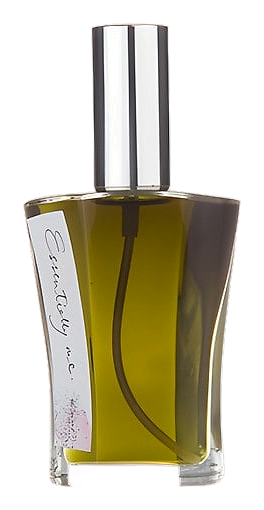
Essentially MeEssentially Me is a fragrance house whose catalog reads like a collection of private obsessions: Amber, La Joupe, Chypre, Trade Wind, Fauve, Souk, Empress of India, Classique, Tangos, and Kuan Yin. The range spans chypre classics, resinous orientals, and evocations of distant places, suggesting a perfumer drawn to both historical fragrance families and the romantic pull of far-flung cultures. Little independent information about the brand's origins or creative team has surfaced, which only adds to its quiet mystique.
The Creator
Alec LawlessLawless gravitated toward formats that demanded precision. Perfume oils and solid perfumes became his signature vehicles, both because they suited his materials and because they rewarded slow, deliberate construction.