The Story
Why it exists.
The beginning
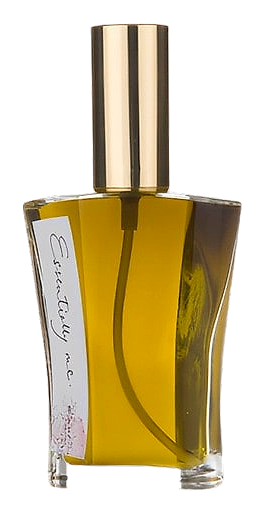
Kuan Yin takes its name from the Buddhist bodhisattva of compassion, the serene figure who answered the cries of the world with something softer than judgment. The composition draws on a layered architecture of citrus, violet leaf, and a densely floral heart, with rose, jasmine, ylang-ylang, osmanthus, mimosa, champaca, and lotus threading through the mid-stage. Launched in 2000, it sits alongside the house's catalog of place-inspired works like Souk, Trade Wind, and Empress of India, each one a different cut through the traditions of perfumery. Beneath the flowers, tobacco and spice hold the ground, with castoreum, oakmoss, labdanum, and leather anchoring the composition in something resinous and faintly animal.
What's interesting about Kuan Yin's structure is the tension between its top notes and its base. Citrus and violet leaf suggest something crisp, almost aquatic, the sort of opening that promises a clean, uncomplicated ride. Then the heart delivers a dense floral arrangement: rose, jasmine, ylang-ylang, osmanthus, mimosa, champaca, and lotus all moving together through the mid-stage, each contributing a different texture. Rose lends its familiar dusty sweetness, jasmine brings indolic depth, ylang-ylang adds a banana-like creaminess that sits somewhere between fruit and skin.
The evolution
The opening is green and quick. Violet leaf cuts through before the citrus fully settles, so the first impression reads like crushed stems and cool air rather than fruit. The citrus, a blend of bergamot and what appears to be other bright elements, lifts the composition briefly before receding. As the violet softens, the florals arrive in force, and the composition shifts from garden to bouquet. Rose and ylang take the center, with their textures woven together, ylang-ylang lending its creamy banana-like facet to the more conventional dusty sweetness of rose. Champaca contributes its honeyed warmth, a note that doesn't dominate but gives the heart a slightly golden undertone. Mimosa brings its powdery almond character, a softness that threads through the heavier florals, while osmanthus adds its apricot-shaped fruitiness and jasmine contributes its indolic depth.
Cultural impact
Kuan Yin occupies an unusual place in the floral landscape of 2000. Its combination of dense floral heart with a tobacco-and-spice base sets it apart from many of the florals that defined the era, compositions that often leaned toward simpler structures or single-note celebrations. The inclusion of seven flower notes in the heart, rose, jasmine, ylang-ylang, osmanthus, mimosa, champaca, and lotus, each contributing a distinct facet, gives the fragrance a layered complexity that rewards careful wearing.
The House
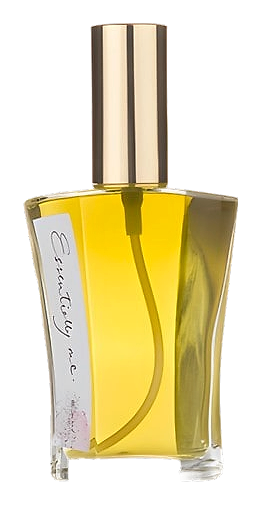
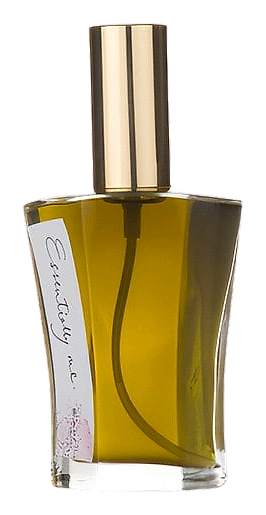
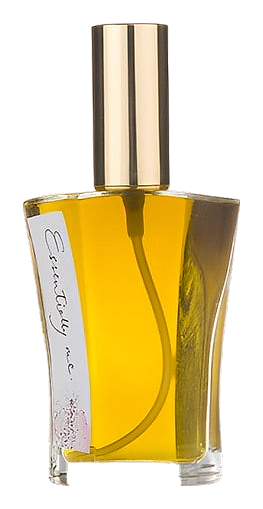
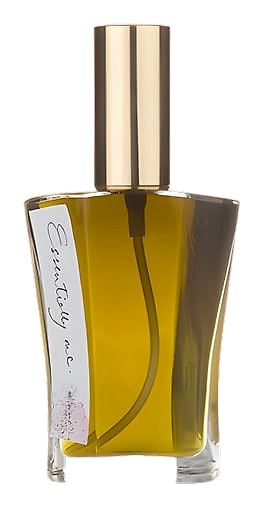
Essentially MeEssentially Me is a fragrance house whose catalog reads like a collection of private obsessions: Amber, La Joupe, Chypre, Trade Wind, Fauve, Souk, Empress of India, Classique, Tangos, and Kuan Yin. The range spans chypre classics, resinous orientals, and evocations of distant places, suggesting a perfumer drawn to both historical fragrance families and the romantic pull of far-flung cultures. Little independent information about the brand's origins or creative team has surfaced, which only adds to its quiet mystique.
The Creator
Alec LawlessLawless gravitated toward formats that demanded precision. Perfume oils and solid perfumes became his signature vehicles, both because they suited his materials and because they rewarded slow, deliberate construction.