The Story
Why it exists.
The beginning
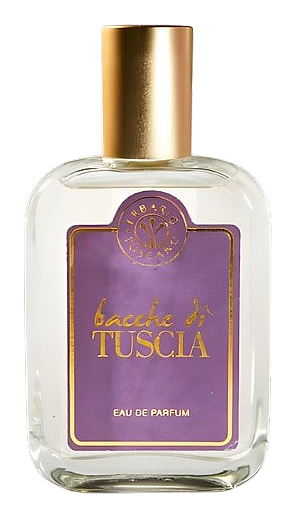
Bacche di Tuscia takes its name from the berries of the Tuscia region, the wild, unguarded harvest of the Tuscan hillsides. Erbario Toscano, the Tuscan Herbalist, has translated the region's botanicals into fragrance. This one reaches for something more indulgent: a fruit-forward composition that doesn't hedge. Patchouli and sandalwood form the backbone, grounding the bright berry accord with depth and warmth. The fragrance opens with the immediacy of fresh-picked berries, their sweetness tempered by a slightly tart edge that keeps the composition from tipping into confection. As it settles, the woods emerge, adding resinous warmth that lingers close to the skin.
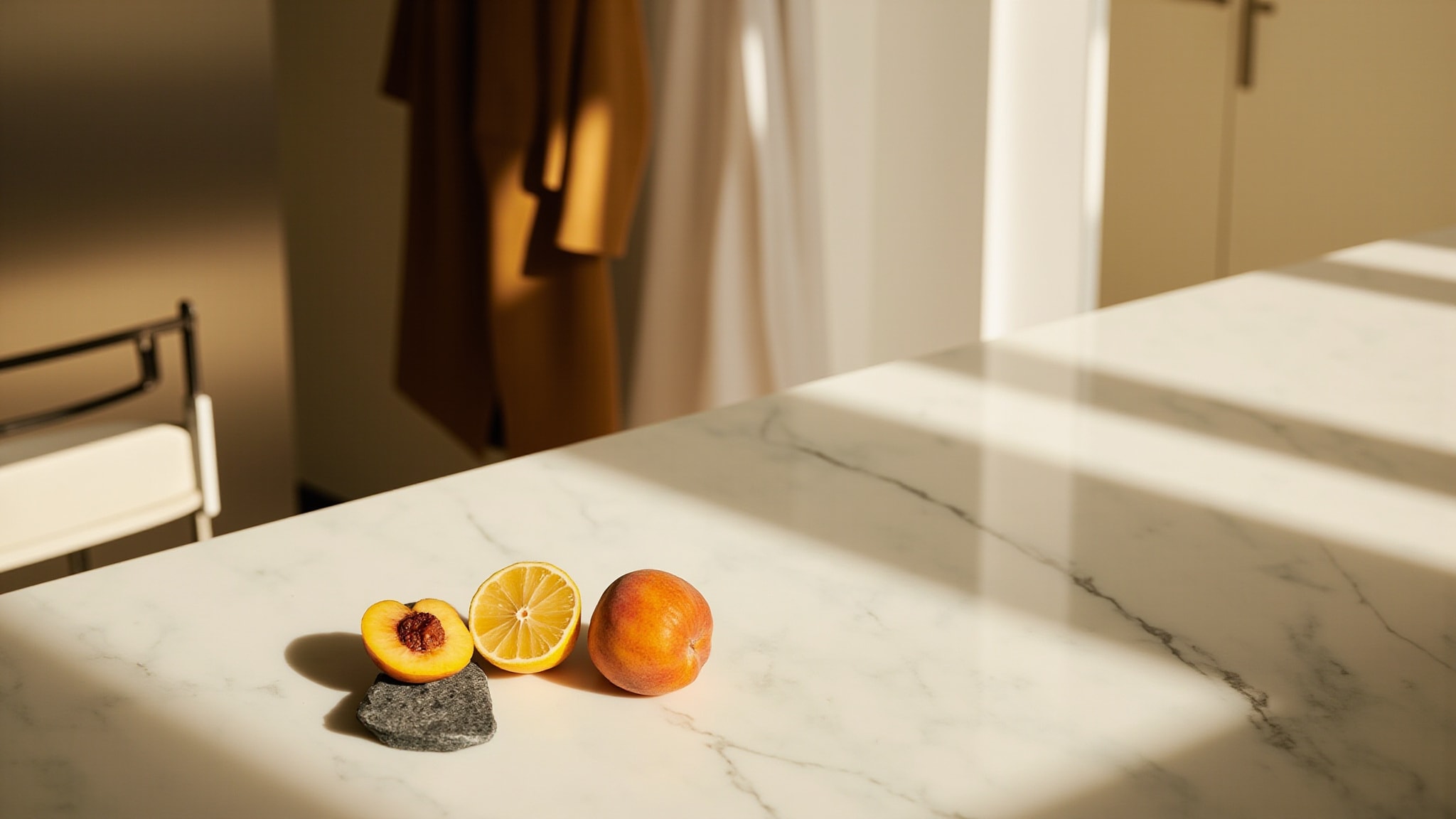
The pyramid is unusual for this house. Five top notes, raspberry, peach, Calabrian bergamot, Italian mandarin, Paraguayan bitter orange, suggest abundance rather than restraint. The heart layers five florals: jasmine, rose, violet, and lily of the valley, with Indonesian patchouli threading through them. The base of Australian sandalwood, Bourbon vanilla, white musk, and Moroccan orange blossom creates a warm, close finish. It's a fragrance that asks you to lean in rather than lean back. The density of the pyramid, particularly the stacked florals in the heart, is unusual for a house known more for its earthier compositions.
The evolution
The opening is immediate and a little overwhelming, five citrus and fruit notes arriving simultaneously, led by raspberry and peach against a sharp Calabrian bergamot edge. For about twenty minutes, it reads almost like a fruit salad left out in the sun. Then the florals arrive, all at once: jasmine, rose, violet, and lily of the valley, with patchouli rising beneath them. The transition isn't gradual, it's a definite hand-off, the sweetness of the fruit giving way to something powdery and more complex. The drydown is where this fragrance earns its reputation. Sandalwood and vanilla arrive together, with white musk keeping everything close to the skin. The orange blossom lingers, adding a subtle honeyed quality that softens the woodsy base without overwhelming it. Throughout the development, the patchouli maintains a quiet presence, preventing the florals from becoming too delicate.
Cultural impact
Bacche di Tuscia occupies a particular corner of the Italian fragrance landscape. It is fruit-forward in a house known for more austere compositions, offering a different entry point for those drawn to the brand's botanical expertise but seeking something with more warmth. For those who find the brand's typical offerings too restrained, this is the alternative: a fragrance that leans into abundance rather than restraint, with a sweetness backed by real structure from patchouli and sandalwood.