The Story
Why it exists.
The beginning
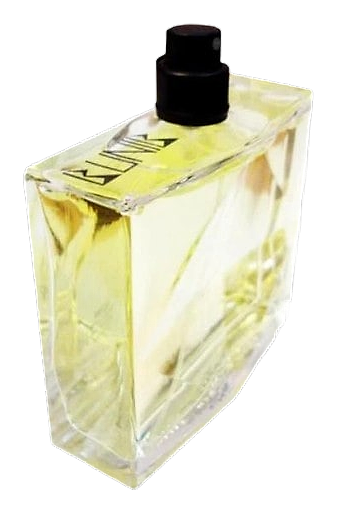
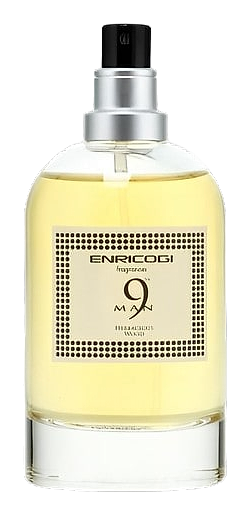
9th Herbaceous arrived from Enrico Gi in 2011 as a study in contrasts. Its fresh entrance uses blackcurrant, bergamot, fig leaf, and lemon, then opens into a generous heart of coconut milk, violet leaf, pineapple, cucumber, plum, ivy, and fig. No named perfumer is credited in the available material, so the composition itself is the clearest record of intent: crisp fruit and leafy greenery meet creamy sweetness before settling into woods, patchouli, cashmeran, cedar, amber, and fig.
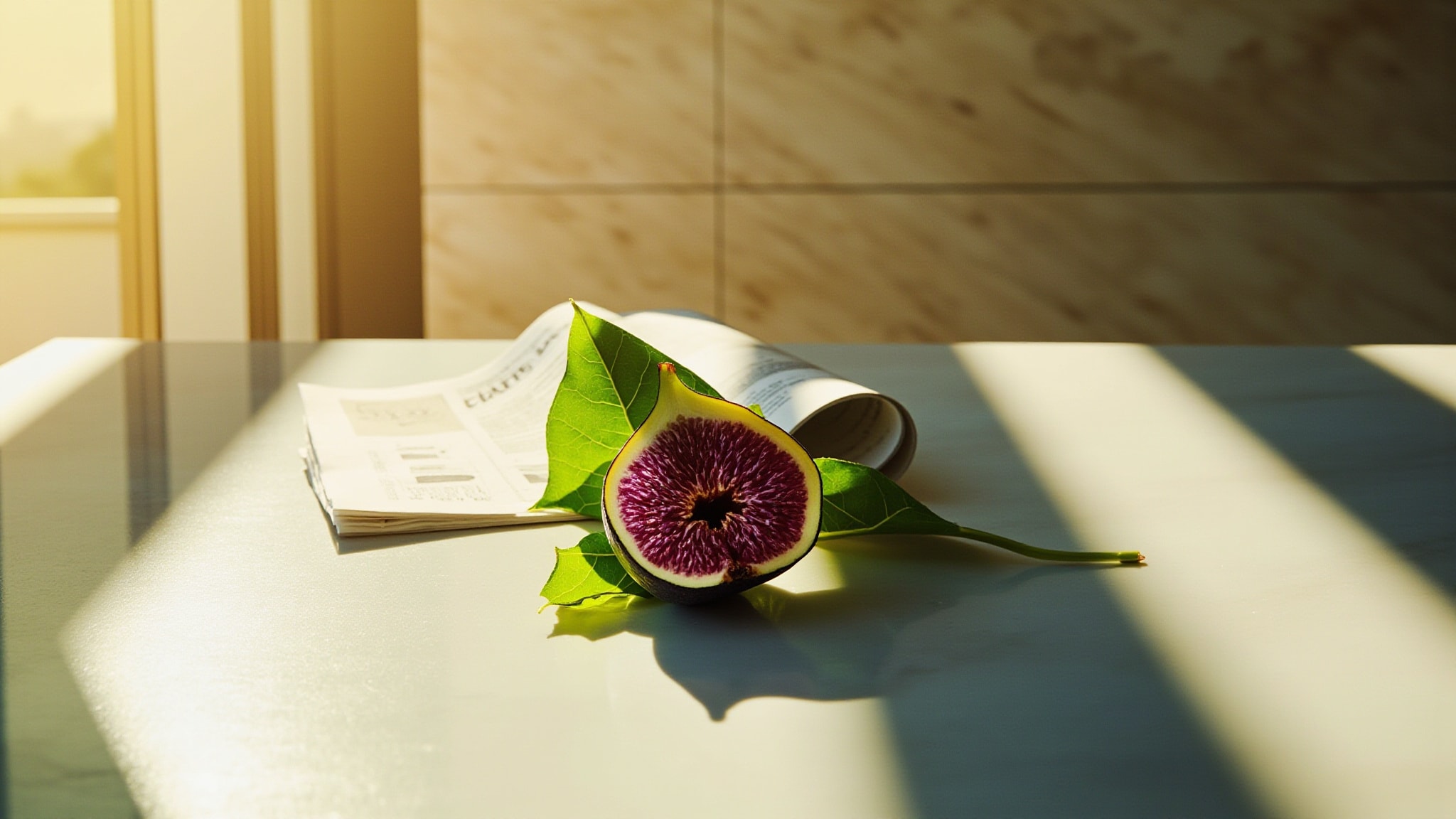
The unusual part is the handoff from green freshness to rounded sweetness. Cucumber and violet leaf keep the heart cool and leafy, while coconut milk softens the fruit from the edges. Fig appears in both the heart and base, giving the composition a recurring thread, and the woody finish pulls the brighter notes down to earth.
The evolution
At first, blackcurrant, bergamot, and lemon make a bright, almost sparkling entrance, with fig leaf adding a green edge. The middle brings a busier kind of freshness: cucumber and violet leaf cool things down while pineapple, plum, and fig add ripe sweetness. Coconut milk is the unusual pivot, turning that brightness creamy rather than strictly crisp. As the fragrance settles, sandalwood, patchouli, cashmeran, cedar, amber, and fig create a smoother woody base. On skin, expect the character to move toward gentle amber and fig over a 4-6 hour arc, with moderate sillage rather than a loud trail.
Cultural impact
Enrico Gi's catalogue treats fragrance as an exploratory wardrobe, with clear scent ideas and contrasts that can appeal to wearers who enjoy variety rather than one conventional signature. 9th Herbaceous fits that approach through its green, fruity, creamy, and woody layers, reflecting a broader fragrance culture in which accessible, expressive compositions invite seasonal wear and individual interpretation.