The Story
Why it exists.
The beginning
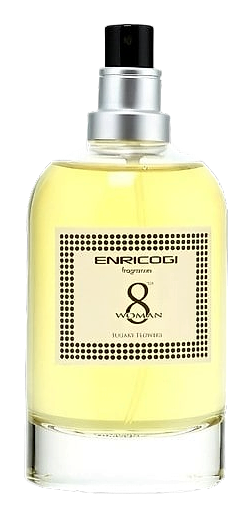
8th Sugary Flowers comes from Enrico Gi, though the available sources disagree about its release year. Its name promises sweetness, but the listed composition pulls in another direction: citrus brightness, a floral center, the herbal snap of basil, the clean lift of lavender, and a base of sandalwood and vetiver. The contrast gives the fragrance much of its appeal. It is floral without becoming powdered, fresh without turning sporty, and sweet without drowning the more grounded materials. The result feels less like dessert and more like flowers after rain, with warm wood keeping the composition composed and rounded.
The interesting part is the handoff between bright fruit, green herbs, and dry woods. Citrus makes the opening easy to read. Basil and lavender then push the composition toward a herbal floral register, where the sweetness becomes atmosphere rather than a heavy gourmand accent. Sandalwood gives that middle distance a soft warmth, while vetiver keeps the ending grounded. As the fragrance develops, these notes overlap and trade emphasis: citrus keeps an airy brightness, basil adds a green aromatic edge, lavender smooths the floral center, and the woods bring a warmer, drier foundation.
The evolution
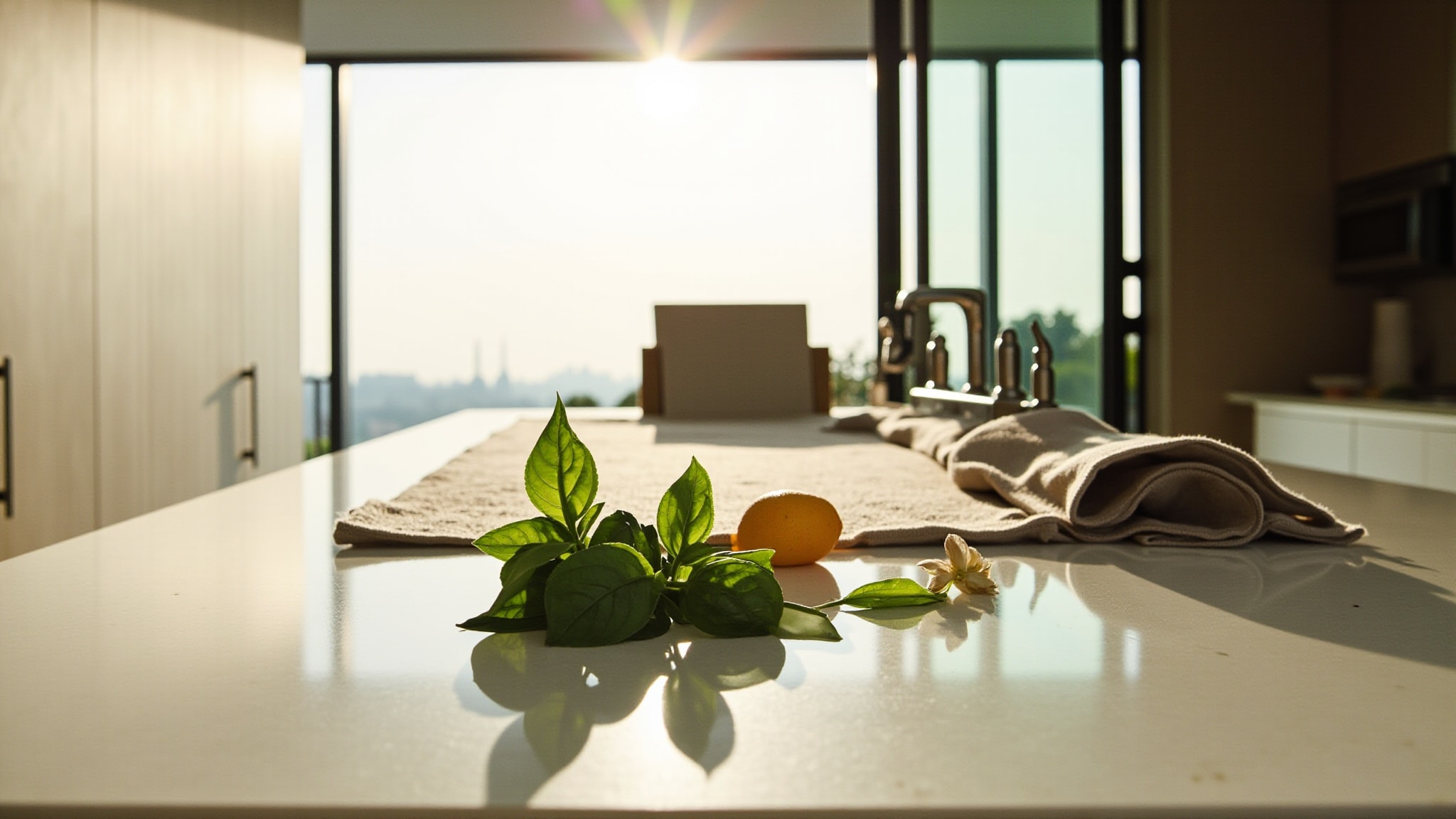
The first impression is a clean lift of citrus and floral notes, with enough brightness to feel like opening a window in a warm room. Basil brings a green, almost savory edge, so the opening has some snap rather than pure sugar. As the fragrance settles, lavender makes the center feel airy and herbal, while the floral notes gain a softer, more expressive shape. Sandalwood then supplies warmth underneath, keeping the composition from floating away. The final phase settles into vetiver, where the dry earthiness becomes more noticeable than the initial citrus. Over time, the arc moves from lifted and fresh to gently woody, with a green, dry edge.
Cultural impact
8th Sugary Flowers uses a floral-herbal composition built around citrus, basil, lavender, sandalwood, and vetiver. The listed notes create a clear contrast between brightness, softness, greenery, and dry woods. Citrus gives the opening an airy quality, while basil adds a sharper herbal note. Lavender supports the floral center, and sandalwood brings warmth underneath. As vetiver becomes more prominent, the composition takes on a drier, earthier character. The fragrance can be explored as a study in how sweet and floral elements sit beside herbal and woody materials.