The Story
Why it exists.
The beginning
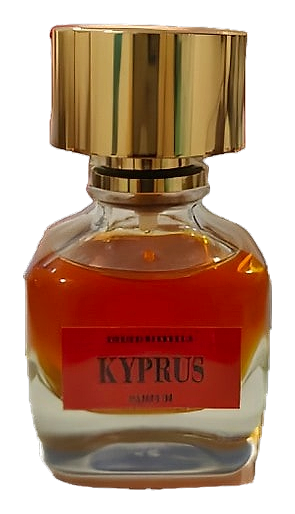
Kyprus arrived in 2023 from Enrico Buccella, an Italian perfumer whose compositions tend to anchor themselves in specific places and eras. The name Kyprus reads as a place marker, one tied directly to a Mediterranean island that has carried weight in fragrance history for centuries. Buccella, working from Umbria and operating under his own name, built Kyprus as a composition rooted in that Mediterranean tradition. He composes and releases independently, and Kyprus sits within a catalog that consistently draws on place-named references. The composition leans hard into materials that perfume history associates with seduction and staying power: civet, ambergris, musk, clove, sandalwood. This isn't a chypre in the polite sense. It's a chypre with its sleeves rolled up.
What makes the structure unusual is the way Buccella loads the rose. Damask Rose sits at the heart, but it's bookended by aggressive clove on top and a base of civet, ambergris, and Tonkin musk that treats the flower less like a garden and more like a trophy. The accord stack reads floral-oriental-chypre-animal in sequence, which signals a composition built on layered tension rather than smooth transitions. Most modern rose fragrances play the diplomat. This one brings a knife.
The evolution
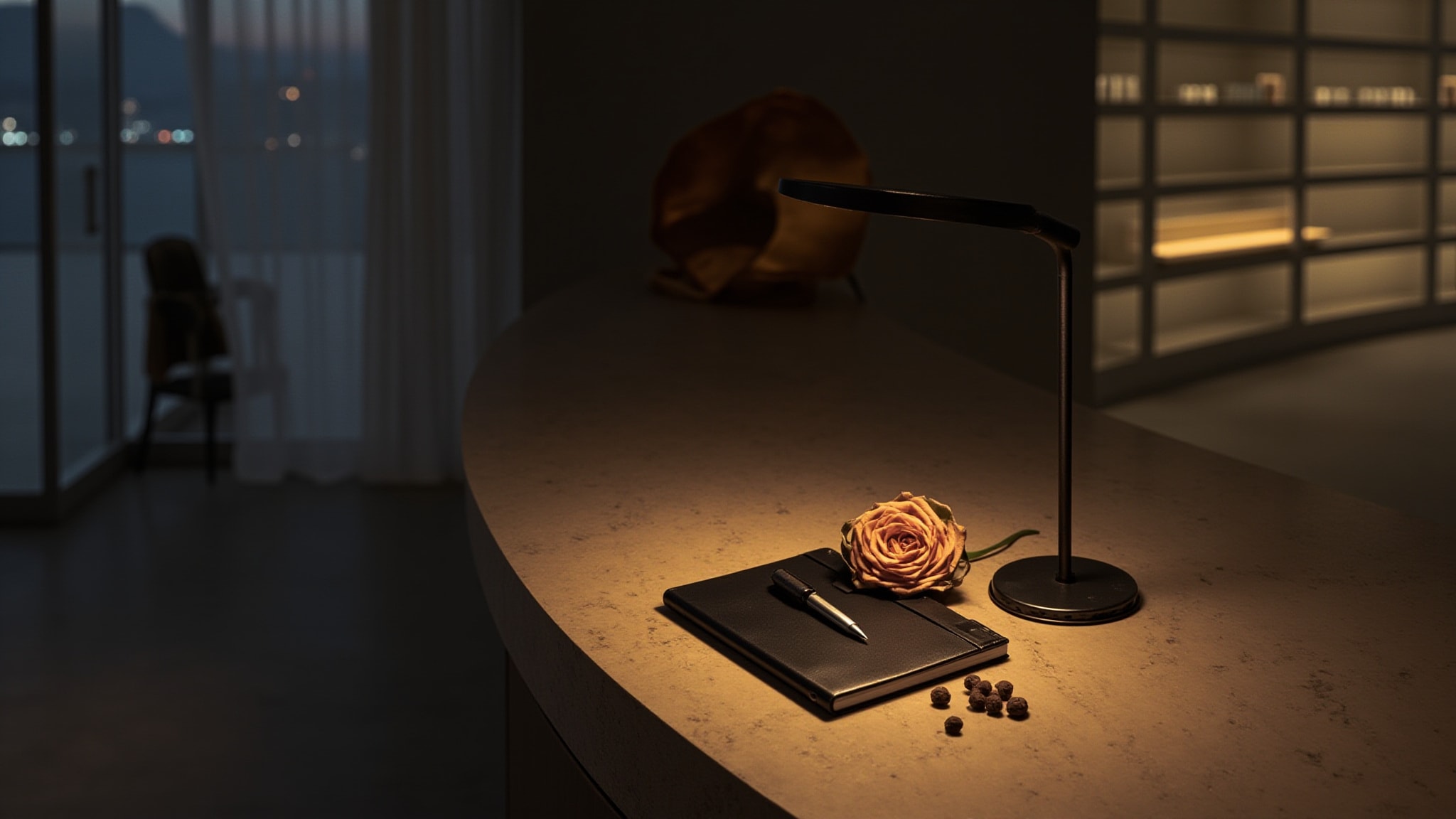
The opening hits before the fragrance even settles into skin. Clove arrives sharp, almost burnt, the way spice smells when it's been left too close to a candle. The Damask Rose pushes through, rich and slightly jammy. For the first stretch, it reads almost gourmand, a rose-clove confection with weight behind it. Then something shifts. The animalic base starts to surface. Civet comes in low and dirty, not aggressive but unmistakable, giving the rose a fur-lined quality. Ambergris adds a saline warmth, the smell of warm skin after hours. The musk spreads. By the middle hours, the clove is mostly gone. By then, the rose has deepened into something darker, closer to dried petals than fresh ones. What remains after extended wear is musk, ambergris, and the ghost of civet. It clings to fabric.
Cultural impact
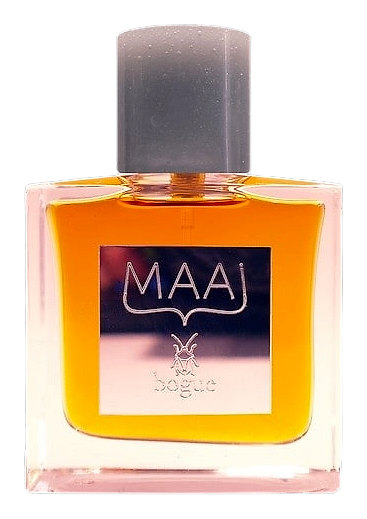
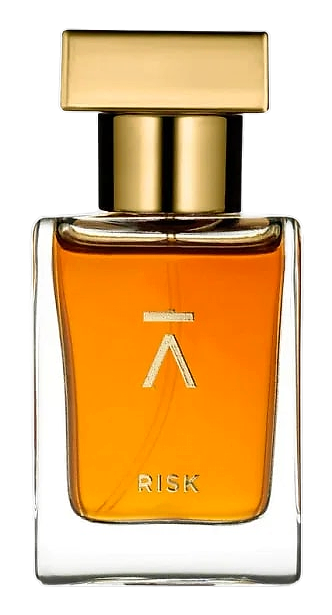
Kyprus occupies a recognizable position among animalic and chypre-forward compositions, a category that includes works from independent houses like Bogue and Azman. It's a fragrance for the collector who already knows what civet does and wants it done well. The resale market and quiet critical attention suggest a composition that found its audience through word of mouth rather than mass marketing. Within the independent Italian niche scene, Buccella's work circulates among people who actively seek out animalic compositions and traditional chypre structures.