
The Story
Why it exists.
The beginning
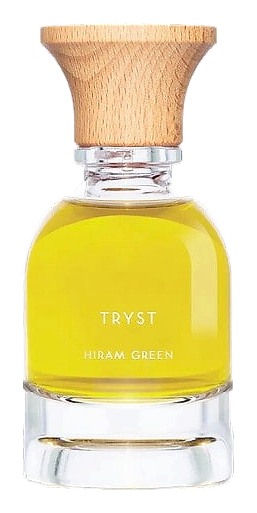
Tryst is memory made scent. Hiram Green drew inspiration from a spring drive through an orange grove, the kind of afternoon where the roads unwind through hills, the radio plays songs you both know, and the air smells like possibility. Sunlit blossoms, honey, and warmth. Finding a quiet spot to stop. Kissing under the orange trees while the whole day felt like yours alone. On the way home, a flower tucked in a coat pocket, its scent still crisp and golden on the skin. That's Tryst. A fragrance built from a moment that belonged to no one else.
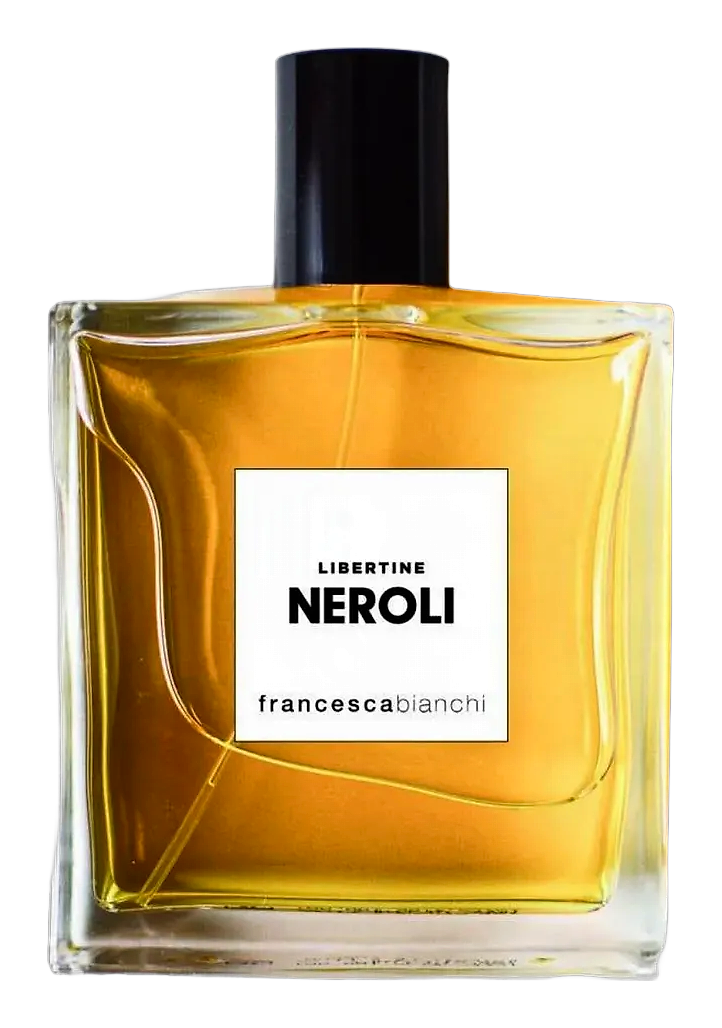
The composition pulls every part of the orange tree into play. Green buds give the top a sharp, bitter freshness, the smell of stems snapped in hand. Neroli and orange blossom absolute take center stage in the heart, their sweetness offset by the honeyed resins beneath. Where most fragrances use orange blossom as a supporting note, Tryst builds the entire structure around it. The result is a scent that reads as both floral and green, sweet and grounded, intimate without being heavy.
The evolution
The opening hits immediately. Green buds and orange zest arrive together, sharp and bright as morning light through branches. For the first thirty minutes, the scent shimmers, a wall of neroli that catches everything around it. Then the walls come down. The orange blossom stays, but it's ghost-like now. The resins arrive quietly, adding warmth without weight. What lingers is the memory of the opening, not the drydown itself. The fragrance settles into a honeyed warmth that feels both delicate and present, lingering close to the skin as the more volatile top notes fade. It's a top-heavy composition, one that delivers its most vivid impression early before settling into something quieter and more intimate.
Cultural impact
Tryst arrived as part of a broader shift toward natural perfumery, fragrances that wear their sourcing on their sleeve. The brand has staked its identity on one claim: real ingredients make real fragrance. No synthetics, no shortcuts, no veils. They want to know what they're spraying. They want ingredients they can name, trace, understand. Tryst delivers on that transparency. It's not trying to be complex for complexity's sake. It's trying to be true.