The Story
Why it exists.
The beginning
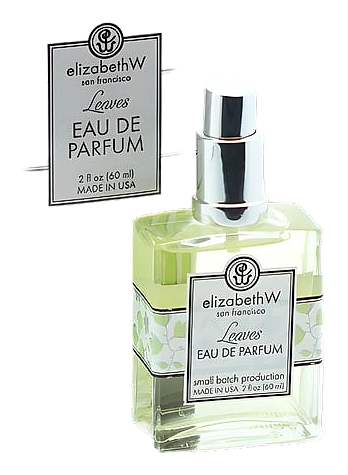
Leaves is a composition by perfumer Albert Nichols. The fragrance doesn't try to bottle a forest. It tries to catch something honest about one, the moment you step into the canopy and the air changes around you. The pyramid is short by design: green leaves on top, rose at the heart, and a woody-amber base of Atlas cedar and sandalwood. Five notes total. Everything else is restraint. Nichols works with a clarity that's hard to fake. Each note gets its own defined presence, and the space between them carries as much weight as the notes themselves. Leaves has the feel of a small building made of green walls and warm hardwood floors: nothing dressed up, nothing performing. The composition reads as an argument for less, but the less is so precisely chosen it never feels like a limitation.
What's interesting here is the omission. Green fragrances in this register can lean heavily on accents and accompaniments, a whole vocabulary of characters to make the green read as green. elizabethW keeps it to green leaves and rose, and trusts those two to do the talking. The rose isn't the usual floral statement. It sits cooler, more restrained, and it does something specific between the green opening and the woody base. Without it, the cedar would feel bare. Without the cedar, the rose would feel like a note left orphaned on a page.
The evolution
Opens green, immediately green, no warmup. The crushed-leaf character lands fast on skin and holds its composure through the early wear. There's no citrus or aldehyde prelude, no buffer between bottle and effect. It starts where most fragrances are still finding their footing. The rose surfaces as the green begins to recede, not as a bloom but as a suggestion. That watery-cool side of rose, almost dewy in feel, reads as a continuation of the green rather than a break from it. It partners with the cedar rather than interrupting. The sandalwood settles in underneath once the heart begins to move, grainy and warm, carrying the memory of the opening in its fibers. The drydown settles into amber and Atlas cedar, running close to the skin through the later hours. It stays linear, unhurried. What you smelled early is recognizably what you smell later, just quieter.
Cultural impact
Leaves finds its place among green-woods compositions with a quiet confidence. Community reception runs positive, with projection and longevity earning above-average marks in most wearer discussions, and the green and woody accords drawing the most consistent praise. It reads as an alternative for anyone who finds the louder end of the category tiresome. Seasonal voting tends to favor spring wear, with summer and fall not far behind, which tracks with how the green reads in warmer air. Winter sits as a quieter choice for those who like the freshness against heavier weather. There's nothing aggressive about it, no costuming, no costume.
The House
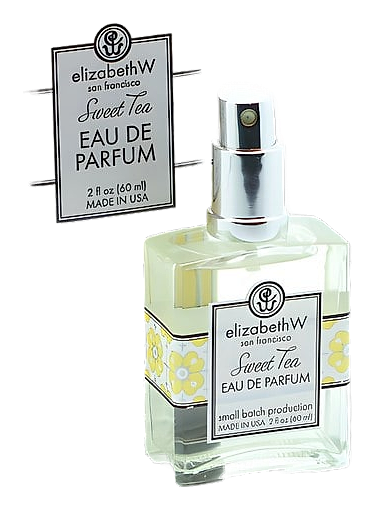
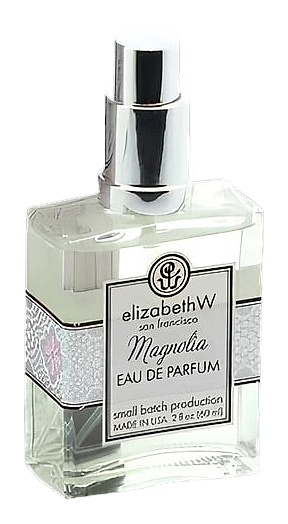
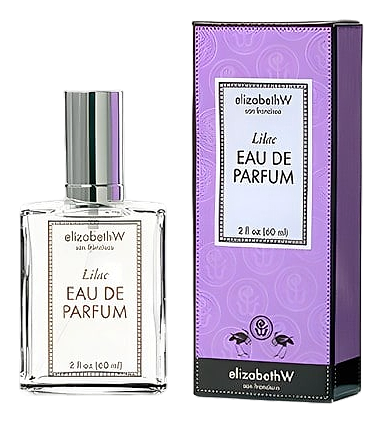
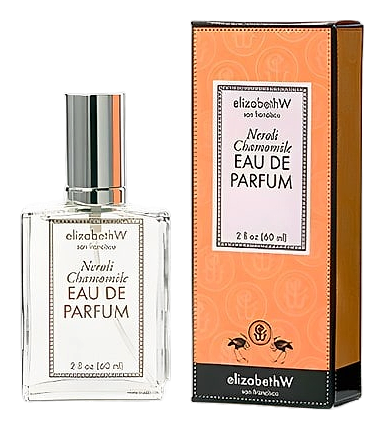
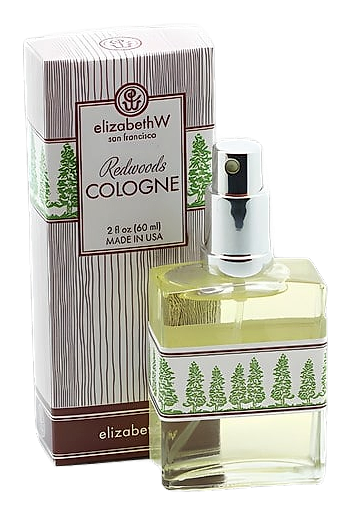
Elizabeth WelizabethW occupies a singular space in American perfumery. Founded in San Francisco in 1995 by architect-turned-perfumer Albert Nichols, the house channels the spirit of the California landscape through a collection of carefully composed fragrances. Nichols named the brand for his great-grandmother, Elizabeth Wightman, a 19th-century mountain rancher whose life unfolded across the hills of the Sierra Nevada. The house produces its scents in small batches from its California studio, maintaining the intimacy of a traditional perfumery while drawing on Nichols's architectural sensibility for structure and form. The fragrance collection spans bright botanicals and more introspective compositions, from the crisp clarity of Lilac to the smoky depth of Redwoods.
The Creator
Albert NicholsNichols favors restraint and clarity over complexity for its own sake. His fragrances tend to unfold methodically, each layer earning its place rather than competing for attention.