
The Story
Why it exists.
The beginning
Zara entered the fragrance market in 1998 through a partnership with Spanish fragrance house Puig, bringing the same considered design sensibility to scent that the brand applied to fashion. By 2008, the house was ready to expand its men's offerings, a deliberate move toward the design-literate consumer who wanted contemporary style without the heritage tax. The result was three colognes launched that year: Ambar, Sandalo, and Vetiver. Each one stripped back to a single dominant material. Each one built for the wearer who knew exactly what they wanted. Vetiver was the quietest of the three in name, perhaps the boldest in character, a cologne centered entirely on a root that most fragrance houses treat as a supporting element. This was not a safe introduction. It was a statement that a €15 bottle could stand on a single note and win.
The star here is vetiver itself, not as a base note, not as a undertone, but as the entire reason the fragrance exists. Zara's perfumers chose a modern vetiverol material rather than traditional Vetiveria Zizanoides, an updated synthetic derivative that's zestier and more fresh than its earthy, smoky ancestor while retaining the deep woody character underneath. The result is a cologne that smells contemporary rather than retro, clean rather than heavy. It's the difference between the vetiver you expected and the vetiver you didn't know you wanted.
The evolution
The opening hits bright and immediate, citrus that reads more pamplemousse than lemon, crisp without sharpness. For the first thirty minutes, the scent sits close to the skin, present but undemanding. Then the vetiver takes over. Not all at once, it blends into the citrus rather than replacing it, creating a middle phase that smells like fresh-cut stems and dry earth simultaneously. The drydown is where Zara Vetiver earns its reputation. The vetiverol doesn't fade the way citruses do, it deepens, settling into something rooty and slightly smoky that persists for hours. Spray on clean skin in the morning. By the time you're dressing for dinner, it's still there, a quiet earthy warmth that nobody else will notice but you won't stop noticing yourself.
Cultural impact
Zara Vetiver occupies an interesting position in the landscape of accessible men's colognes. Released in 2008 when Zara's fragrance range consisted of just three options, it was a deliberate statement: one material, one idea, no compromises. The discontinuation of the original formulation speaks to the challenges of maintaining a limited fragrance line, but the community consensus is consistent, it punched well above its price. Wearers who found it before it disappeared tend to compare it favorably to Guerlain Vetiver and Lalique Encre Noire, noting that the core character, fresh, earthy, intimate, held up against bottles costing ten times as much.
The House
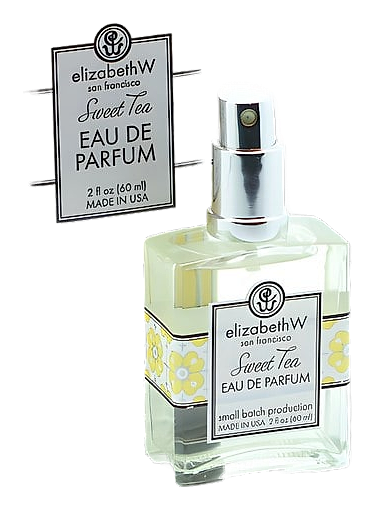
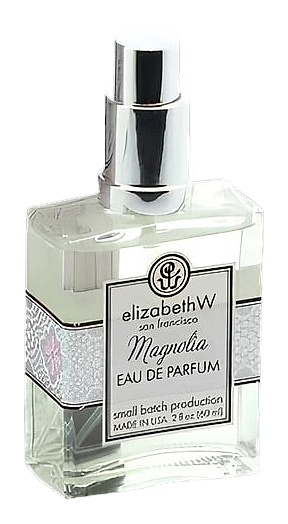
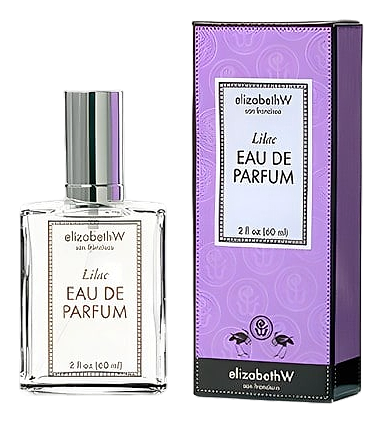
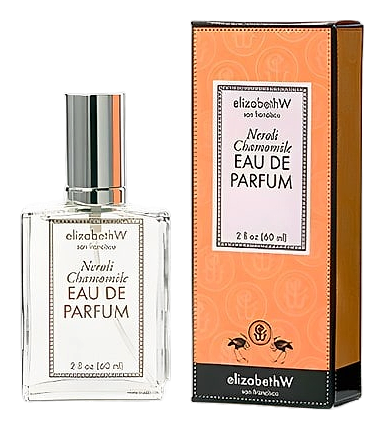
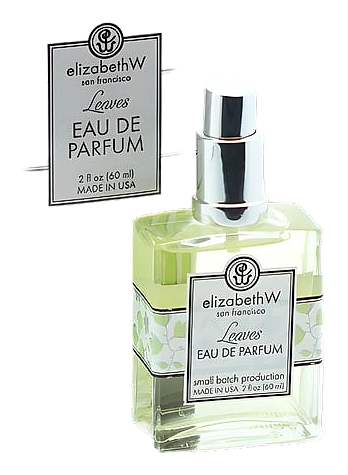
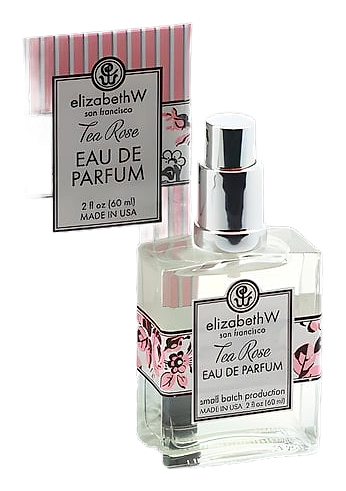
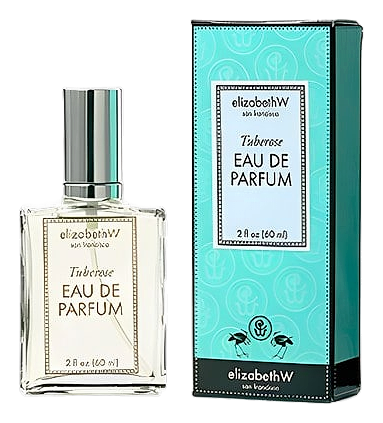
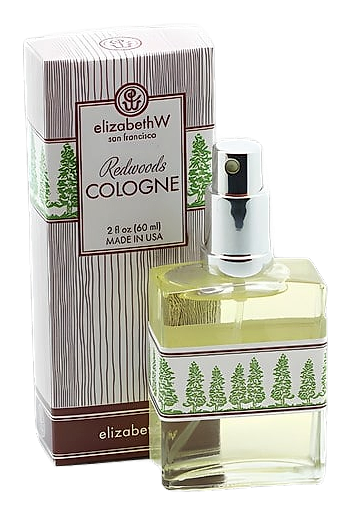
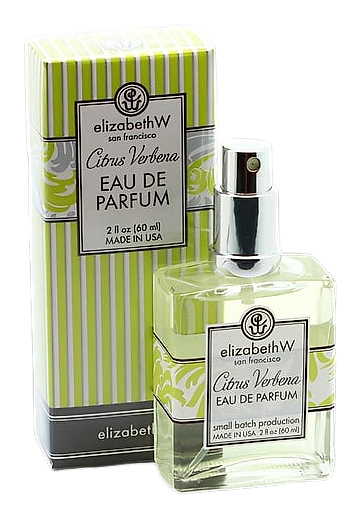
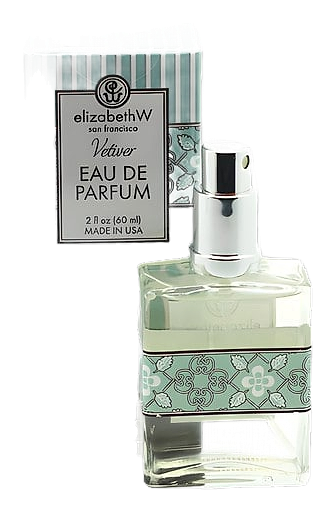
Elizabeth WelizabethW occupies a singular space in American perfumery. Founded in San Francisco in 1995 by architect-turned-perfumer Albert Nichols, the house channels the spirit of the California landscape through a collection of carefully composed fragrances. Nichols named the brand for his great-grandmother, Elizabeth Wightman, a 19th-century mountain rancher whose life unfolded across the hills of the Sierra Nevada. The house produces its scents in small batches from its California studio, maintaining the intimacy of a traditional perfumery while drawing on Nichols's architectural sensibility for structure and form. The fragrance collection spans bright botanicals and more introspective compositions, from the crisp clarity of Lilac to the smoky depth of Redwoods.
The Creator
Albert NicholsNichols favors restraint and clarity over complexity for its own sake. His fragrances tend to unfold methodically, each layer earning its place rather than competing for attention.