The Story
Why it exists.
The beginning
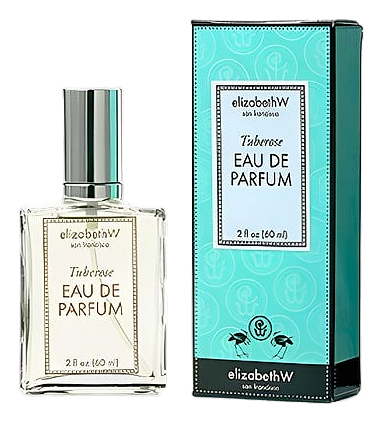
Tuberose, part of the Elizabeth W catalog, strips the format of perfumery down to its most concentrated form. Where many commercial compositions lean on heavy abstract constructions and layered bouquets, this one lets a single botanical carry the weight of the entire composition, and lets it speak at full volume. The fragrance is built around one flower treated with enough respect that it doesn't need to hide behind anything. It's an exercise in letting a single ingredient dominate, with the supporting cast arranged just carefully enough to let the star shine without distraction.
Tuberose is one of perfumery's most demanding materials, a night-blooming flower with a scent that lives somewhere between honey, soap, and something almost alive. To build an entire composition around it means accepting the flower's full register, green stems and all, rather than smoothing it into a polite bouquet. The accord here leans creamy and slightly animalic, grounded by the warm indolic sweetness that makes tuberose recognizable from across a room. There's nothing restrained about it, which is exactly the point.
The evolution
The opening arrives already confident, a lush floral rush that announces itself without hesitation. The heart takes over as the composition settles into the skin: a dense, creamy tuberose accord that swings between soapy sweetness and something darker, almost carnal, the indolic edge that gives the flower its reputation. This is not a polite composition. The florals dominate without apology, and the indolic character is present throughout the wear, giving the scent its distinctive depth and warmth. The drydown is where the composition reveals its longevity. The creaminess deepens into something warm and skin-like, with the amber base lending a soft golden quality to the final hours of wear. On fabric, traces survive long into the following day, intimate and faintly powdery.
Cultural impact
Tuberose sits in a small circle of florals that perfume enthusiasts treat as reference points, prized for its lush, indolic take on the flower. Among collectors and wearers alike, the fragrance has earned a reputation for the kind of scent that gets noticed by someone across the table, the sort of composition that invites a quiet question rather than a loud remark. The blend of tuberose, gardenia, jasmine, orange blossom, and amber gives it a richness that has kept it in conversation among those who appreciate unapologetic white-flower compositions. It is still in production, which keeps it accessible to anyone curious enough to seek it out.