
The Story
Why it exists.
The beginning
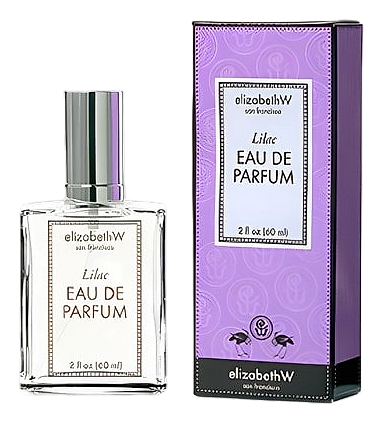
Every elizabethW fragrance starts with a sensation, not a formula. Albert Nichols wanted to capture what happens when lilacs bloom at dusk, the cooling air, the flowers intensifying, the world narrowing to scent alone. Rather than isolate the flower in literal terms, he composed it as an experience: the air around the garden, not just the blossom. The 2014 release centers on that fleeting moment, building an entire fragrance around what the lilac does to the space it inhabits.
What makes Lilac interesting is its structural restraint. The heart notes, lilac, jasmine, freesia, and neroli, could easily overwhelm each other. Instead, each occupies its own defined layer. The lilac leads with a green, slightly bitter floral character that feels immediate and alive. Jasmine adds velvety warmth underneath. Freesia contributes a clean, almost soapy edge that elevates rather than competes. Neroli brings citrus clarity without sharpness. The result is a composition that feels architectural, each note in proportion, nothing fighting for attention.
The evolution
The opening arrives green and floral, lilac asserting itself with a slight bitterness before the airiness takes over. Neroli arrives next, bright and clean, a flash of citrus that lifts the composition. Then the heart: jasmine emerges, deepening the warmth, while freesia adds texture and that characteristic clean spice. The lilac doesn't disappear, it persists through the heart, threading everything together. By the end, a quiet sweetness lingers close to the skin, the vanilla note from the base creating a soft landing rather than a dramatic finale.
Cultural impact
Lilac occupies a particular space in contemporary fragrance, the quiet, considered floral for someone who wants to smell distinctive without announcing it. Released in 2014, it predates the niche fragrance boom but shares that ethos: composition over spectacle. The elizabethW house has always attracted wearers who find mainstream florals either too sweet or too aggressive. Lilac splits the difference. It's the kind of fragrance people recommend when they want to convert someone to the idea that perfume can be subtle and still complete.