
The Story
Why it exists.
The beginning
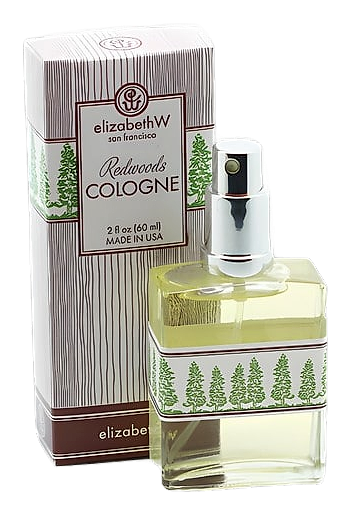
Redwoods is elizabethW's literal translation of place. The name points outward toward the tallest living trees on earth, and the fragrance takes that premise seriously. Sequoia and hemlock fir don't appear as exotic ingredients. They are the subject. The composition reads as a portrait of northern forest: cold bark, deep moss, the green snap of needles breaking underfoot. Rather than blending its woody materials into a single undifferentiated accord, the fragrance gives each tree species its own structural role in the architecture of the scent. The woods sit at the center of everything, grounded by supporting greens and resins, with the forest reading as a layered environment rather than a flat abstraction.
Redwoods works with four distinct botanical references, each contributing a different facet of the forest. Atlas cedar brings the dry, pencil-shaving backbone, a clean and structural wood that anchors the composition. Hemlock fir delivers the sharp, sappy resin that reads as living tree, with a sticky sweetness that recalls fresh sap on bark. Sequoia offers something rarer in perfumery: a softer, almost humid woodiness that feels like the air inside a grove, warm and close and slightly damp.
The evolution
On skin, Redwoods opens with a cold snap. Galbanum hits first, that bitter green almost vegetal edge, sharpened by citrus and tempered by black geranium's peppery leaf. The opening reads cool, almost mentholated, like stepping into shade after direct sun. The citruses are brief, a structural overture rather than a statement, and they hand off to the heart quickly. As the green recedes, the woods arrive in layers. Atlas cedar leads with its dry, structural grain. Hemlock fir follows with resinous sweetness, that sticky pine note that recalls sap. Sequoia sits beneath them both, softer and more humid, almost like the smell of bark after rain. Oakmoss threads through everything, giving the woods a damp, forest-floor anchor. Musk appears here too, but quietly, a soft textural element rather than a loud statement. As the wear progresses, the composition shifts from cold green to warm wood.
Cultural impact
Redwoods sits in a small category of fragrances that treat specific American landscapes as compositional subjects rather than generic woody backdrops. The decision to name sequoia as a note, rather than substituting a more conventional wood, gives the composition a specificity that sets it apart from typical woody releases. It reads as a scent made for someone interested in evocation over decoration, in the way a particular place smells at a particular moment.