The Story
Why it exists.
The beginning
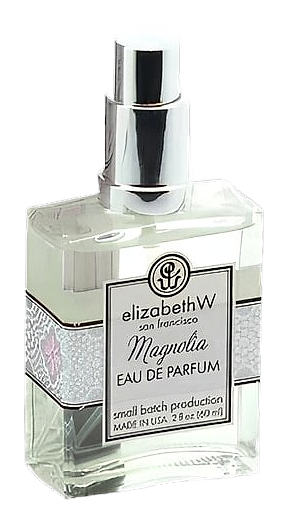
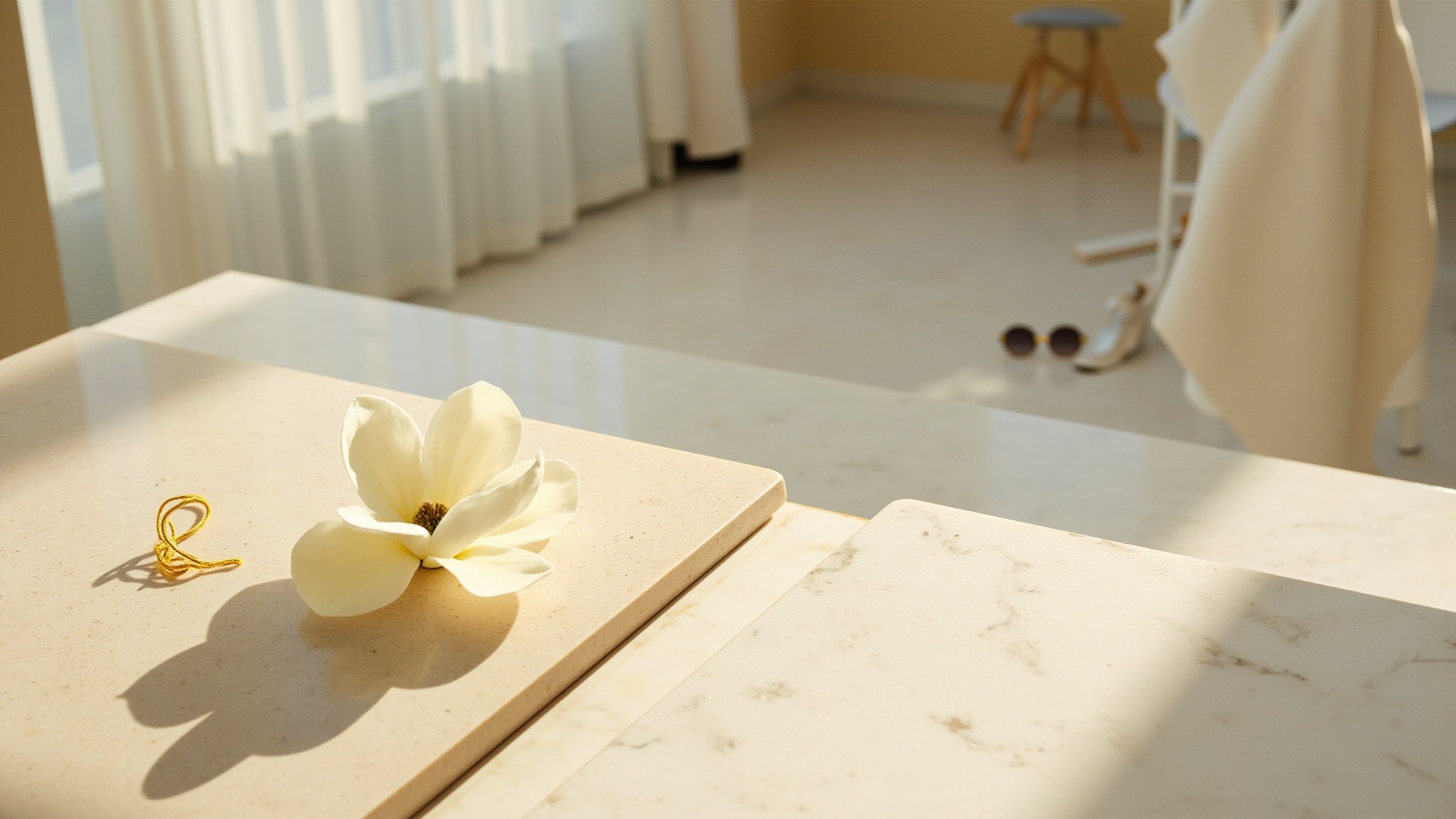
Some fragrances try to reinvent the flower. elizabethW's Magnolia does something harder: it lets the flower be the star. The composition centers on white magnolia petals, rendered here with a creaminess that comes not from sugar but from the quiet interplay of mimosa and gardenia underneath. There is something almost confectionary about that creaminess, like the cool weight of whipped butter softening against a porcelain dish, and it pulls you in before you have a chance to name what you're smelling. A thread of saffron runs through the middle, giving the petals warmth without tipping into spice, and the saffron behaves like a low ember rather than a flame, smoldering gently beneath the floral accord rather than burning through it.
Magnolia is one of perfumery's quieter challenges. The flower itself is heavy, waxy, almost buttery in nature, and many compositions either flatten it into soapiness or drown it under louder notes. What makes this one work is restraint. The gardenia adds depth without competing. Mimosa brings a powdery softness that keeps the petals from feeling dense. Saffron adds a warm, leathery flicker that reads as depth rather than spice. Sandalwood does the structural work, giving the composition a base that lets the florals float without losing gravity. It's a study in how a few well-chosen materials, properly proportioned, can do what a dozen loud ones cannot.
The evolution
The opening is the quietest part, and that's the point. Magnolia doesn't arrive with a statement. It settles in like someone sitting down next to you at a long table, not making conversation yet, just present. The saffron arrives first, faint and warm, almost like the smell of sunlight on old wood. Then the petals come, creamy and full, and the gardenia underneath gives them weight. The first thirty minutes feel intimate, close to skin, more about texture than projection. By the second hour, the sandalwood has fully arrived, and the composition settles into something warmer, slightly powdery, with the mimosa doing its quiet work in the background. The drydown is where this fragrance reveals its staying power. The florals don't vanish. They fade into the sandalwood like watercolor into wet paper, leaving something that smells faintly of warm skin and clean cotton six hours later. On fabric the next morning, the saffron comes forward again, a ghost of the opening that refuses to fully leave.
Cultural impact
Wears like a quiet signature rather than a statement, attracting those who want presence without performance. The saffron thread gives Magnolia a personality that distinguishes it from more conventional white-floral offerings, lending the petals a smoldering undertone that keeps the composition from drifting into soapiness or bridal sweetness.