
The Story
Why it exists.
The beginning
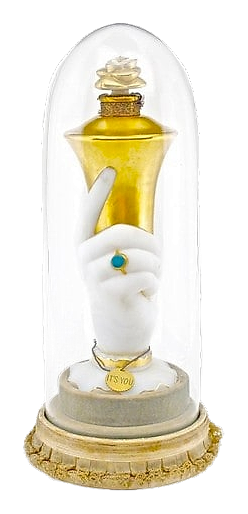
In 1939, Elizabeth Arden commissioned Edmond Roudnitska to create something that hadn't existed in her catalog: an aldehydic floral with real depth. Roudnitska understood that aldehydes weren't just a note. They were an amplifier. They could make florals feel electric without making them feel loud. The fragrance named It's You was designed to communicate something direct and personal. No Greek goddesses. No promised lands. Just the wearer, made more herself. Aldehydes open the composition, bright, metallic, clean. They lift everything around them: the citrus sparkle sharper, the florals creamier, the drydown warmer. Gardenia builds from there, creamy and heady. The base anchors everything in vanilla, warm and skin-close.
Aldehydes are the least intuitive material in perfumery for people who haven't encountered them. They smell waxy, almost metallic, more abstract than fruit, more mineral than flower. Roudnitska used them here not as decoration but as infrastructure. The aldehydes in the top note don't announce themselves. They lift everything around them: the citrus sparkle sharper, the florals creamier, the drydown warmer. This aldehydic structure holds space for the gardenia, keeping it present but not overwhelming.
The evolution
The aldehydes hit first, bright, slightly soapy, the smell of light on clean surfaces. Citrus clarity cuts through in the first minutes, grounding what could have been too abstract. This is not a shy opening. It announces itself, then settles. Then the florals take over. Gardenia arrives first, creamy, heady, followed by lilac in quick succession. This heart phase is where It's You earns its era. The drydown is where it becomes personal. Vanilla arrives slow, sweetened, warmed. Sandalwood adds its characteristic milk. After several hours what remains is skin-close and warm, the kind of presence you only notice when you're close to someone.
Cultural impact
It's You arrived in 1939, a serious, structured composition from a serious nose, made for an American woman who wanted her fragrance to mean something specific about her rather than about an idea of her. It belongs to the aldehydic floral family, a classification it shares with some of the most discussed compositions of its decade. Within the Arden catalog it occupies a distinct position: a fragrance built for presence and intimacy rather than announcement.