The Story
Why it exists.
The beginning
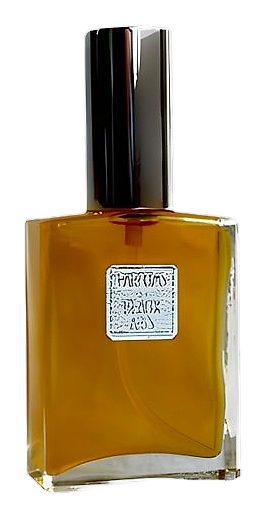
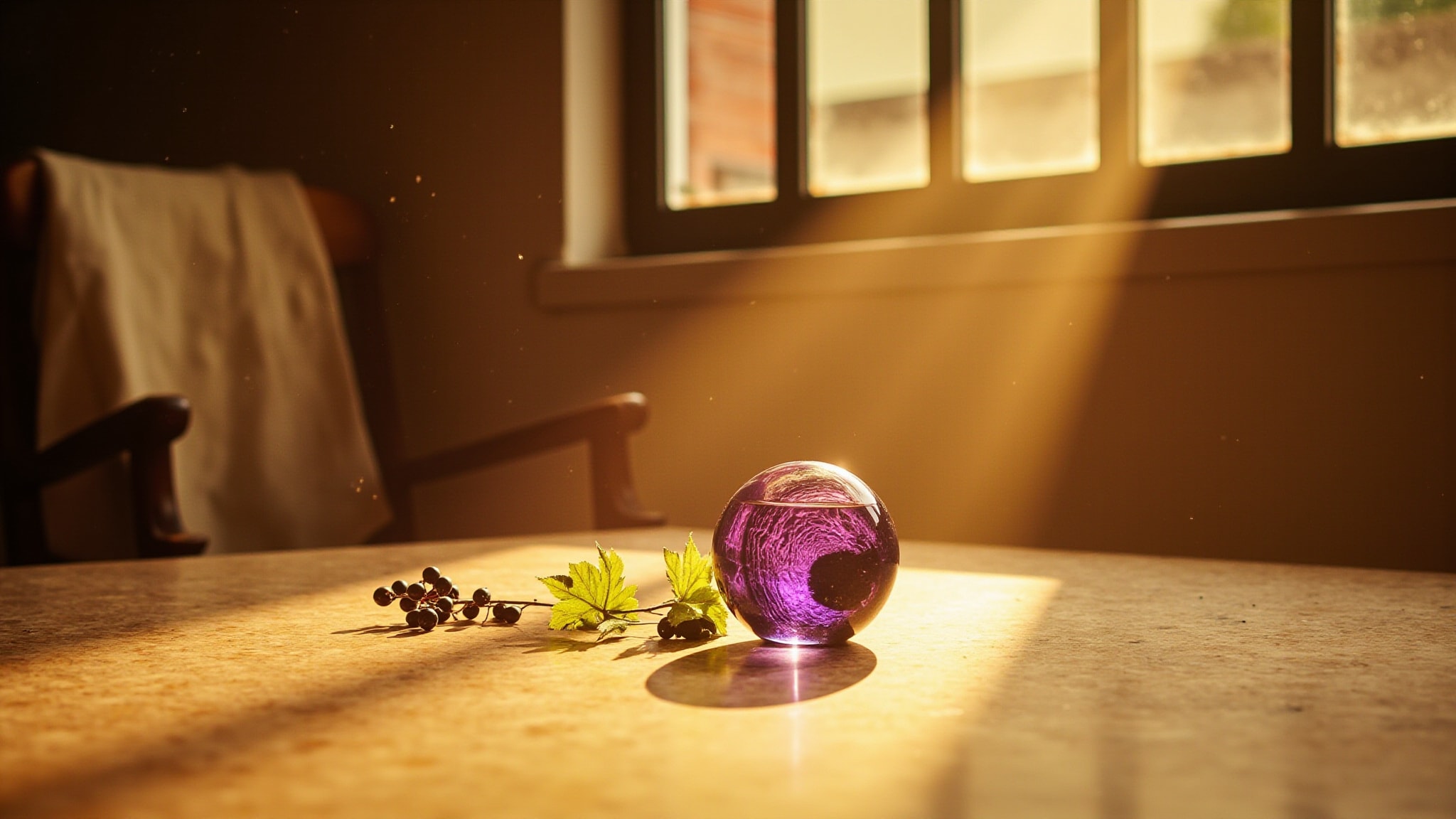
Murano glass carries a particular violet, denser and cooler than the soft lavender of a Provençal field, pressed into a glass bead by a Venetian artisan in a workshop that smells of mineral dust and old varnish. Dawn Spencer Hurwitz named Violetta di Murano after that color, the one you find in a vintage paperweight catching afternoon sun. Part of her Italian Journey series, the composition treats violet as architecture rather than accent. The violet sits at the center of gravity, with surrounding notes arranged to support and frame it without stealing attention. Hurwitz composed this piece as a study in restraint and nuance, a handcrafted work where every ingredient carries weight and nothing appears by accident.
What makes the construction unusual is the violet hierarchy. Hurwitz stacks three layers, violet leaf absolute in the opening for that sharp, almost metallic green snap, then violet and orris root at the center for the powdered petal quality, with the leaf returning through mimosa's honeyed facet. The orris root serves as the binder, holding the powdery, floral, and fruity elements in a single register while blackcurrant bud adds a fruit note that prevents the composition from drifting into confection.
The evolution
The opening is the loudest this fragrance ever gets. Blackcurrant bud cuts sharp, almost like biting into the stem of a grape, and violet leaf adds that green, slightly crushed-petal bitterness. Bergamot rounds the edges but doesn't soften them. The opening smells more like a walk through a garden after rain than like a perfume. Soon after, the violet leaf steps back and the heart takes over. This is where orris root reveals itself. The composition turns powdery, but not the dry, cosmetic powder of department-store violets. This powder has body to it, the weight of cosmetic pigments mixed with oil. Mimosa brings a honeyed, almost straw-like warmth that keeps the iris from feeling cold. Peony adds a dewy, slightly green floral note that softens the structure without collapsing it.
Cultural impact
Violetta di Murano occupies a particular place in the broader conversation about violet in perfumery. It draws on the rich Italian tradition of Murano glassmaking, a craft that has produced extraordinary objects for centuries. The fragrance translates that visual tradition into scent, offering a violet composition that feels both familiar and unexpected. It speaks to anyone drawn to the intersection of color, craft, and fragrance. The composition has resonated with those who appreciate the slower, more deliberate forms of artistic expression, whether in glass, in painting, or in scent.