
The Story
Why it exists.
The beginning
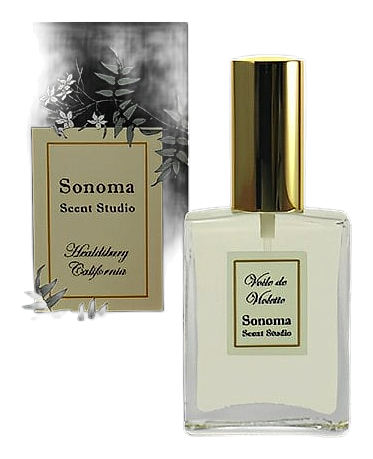
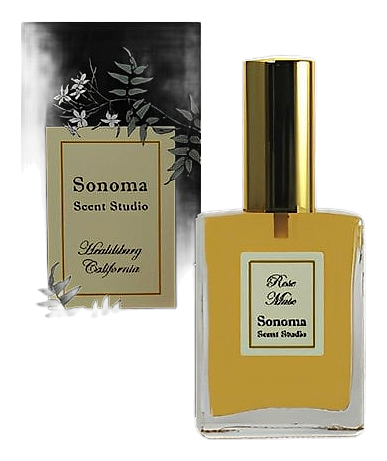
Rose Musc arrived in 2007, and Laurie Erickson designed it as a counterpoint to her earlier Vintage Rose. She wanted the same richness of rose, but none of the weight. A bright, cheerful rose softened by sensual musk notes, one that opens cleanly and holds nothing back. The formula uses rose as the primary material, with ambergris adding mineral brightness and labdanum absolute contributing warm resin depth. Precious musks, some clean, some slightly earthy, form the base. The rose opens with a crystalline clarity that feels almost translucent, the petals glistening with a dewdrop quality that catches the light. As the minutes pass, the musks begin to weave through the rose, adding a subtle complexity that keeps the floral from feeling simplistic.
What makes Rose Musc work is what it leaves out. No heavy oriental base. No list of supporting notes trying to justify the price. Just rose, ambergris, labdanum absolute, and precious musks, and enough space for each to do its job. The freshness isn't the kind that fades in an hour. The composition unfolds gradually, with the clean and slightly earthy qualities of the musks providing structure that evolves rather than simply persists. This is simplicity as a design choice, not a limitation. One idea, well-executed, and nothing that doesn't earn its place.
The evolution
The rose arrives clean. Not sharp, not synthetic, the kind of clarity that makes you check if someone nearby has a fresh bouquet. Ambergris appears early, lending a faint mineral note underneath, a dry quality beneath the petals that keeps the opening light and translucent. It prevents the rose from ever feeling heavy or cloying, providing an invisible hand that keeps everything aloft. The musk provides structure without weight, a skeletal framework that holds the composition together without ever becoming obvious. Within minutes, the heart takes over. The rose deepens, more yellow petal than pink, richer and warmer than the opening suggested. Labdanum enters quietly, its resinous quality adding depth without heaviness. This is where the fragrance earns its name. The rose isn't innocent anymore, but it's not trying to impress either.
Cultural impact
Rose Musc doesn't shout for attention. Released in 2007 by a Northern California studio that preferred craft over noise, it has found its audience among those who appreciate subtlety over sillage. The independent fragrance community discovered it early and those who connect with it tend to remain devoted. For those who know it, Rose Musc is proof that restraint can be its own kind of statement. There is something quietly confident about a fragrance that refuses to compete for space in a room, that asks instead to be leaned into, to be discovered rather than announced.