The Story
Why it exists.
The beginning
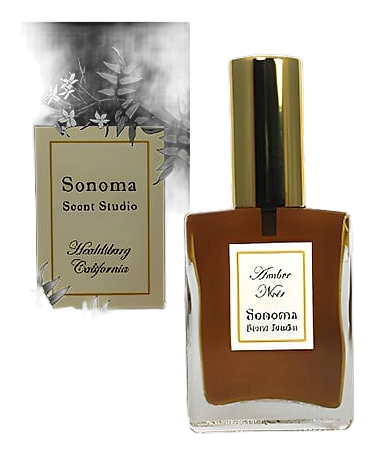
Laurie Erickson created Ambre Noir in 2008 with a clear agenda: find the shadow in amber. While most fragrances built on amber lean warm and approachable, Erickson wanted something that felt honest about the material's complexity. Labdanum was her answer. "I like labdanum," she said, "and I wanted Ambre Noir to highlight it." The decision shaped everything that followed.
Labdanum is a thick golden resin with a musky, woodsy, amber character that becomes something else entirely when diluted with alcohol and filtered. It doesn't sweeten amber. It deepens it. The challenge was threading that darkness through enough other materials to make it interesting without losing the thread entirely. Incense, moss, leather, and woods built out from the labdanum. Rose appeared not as decoration but as counterweight, a reminder that intensity can have tenderness. The vanilla stayed out. What emerged was an amber that earned its name and its shadow.
The evolution
The opening announces itself immediately. Amber and labdanum arrive together, resinous and warm, with olibanum lending a faint smoke that announces this won't be a gentle ride. There's no bright citrus, no watery freshness to soften the arrival. Just material, full stop. Within the first hour, rose slips into the composition, threading through the still-prominent labdanum with a floral note that feels almost unexpected, a brief softness before the woods arrive. Myrrh and castoreum add depth, a resinous-animalic warmth that keeps the heart from feeling thin. By the third hour, the drydown takes over. Cedarwood, sandalwood, patchouli, and vetiver build a base that feels less like a transition and more like the point. Oakmoss gives it a dark, forest-floor quality. Clay grounds everything with a mineral note that lingers. Eight to ten hours later, on fabric especially, there's still something there. Not loud. Not performative. Just present.
Cultural impact
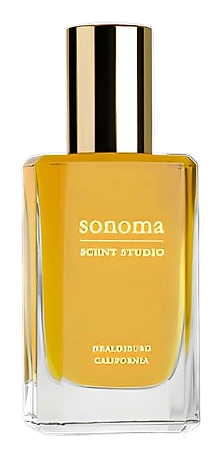
Ambre Noir arrived in 2008 during a period when amber fragrances were trending warm, sweet, and accessible. Its darker take challenged that direction, offering something resinous and assertive to collectors seeking alternatives to mainstream comfort scents. The fragrance found its audience among those drawn to incense-forward compositions and smoky orientals, carving a niche for amber that leaned into shadow rather than light. It helped define the character of Sonoma Scent Studio as a house willing to prioritize mood and atmosphere over broad appeal. In the years since, its influence echoes in how indie and niche perfumers approach amber as a dark material rather than a sweet one.