The Story
Why it exists.
The beginning
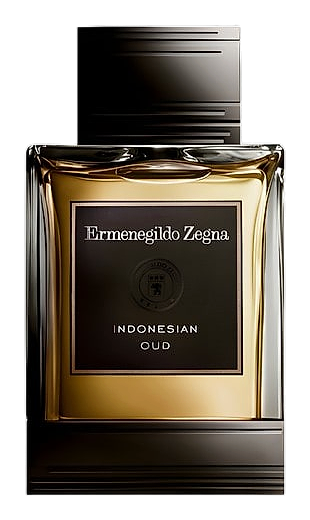
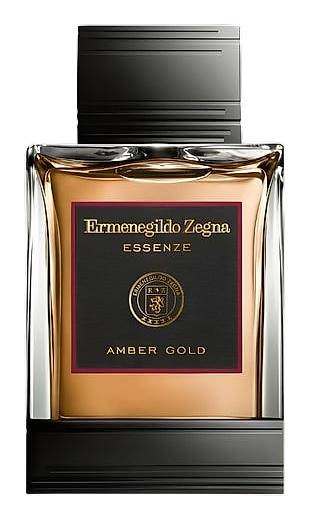
Amber Gold belongs to Zegna's Essenze collection, a line built on the idea that fragrance works like fabric, worn against the skin, not projected outward. Where other houses chase the dramatic entrance, Zegna leans toward the lingering impression. Amber Gold asked: what does it mean when amber becomes the main event, heavy and golden, with rose and saffron pulling it in directions that feel almost stubborn? The answer lives in the drydown, where warmth accumulates and doesn't let go.
Five notes form the core, but the structure is what matters. Bulgarian rose brings a velvety darkness that lavender keeps from getting soft. Patchouli holds the earth. Sandalwood smooths everything into something worn and comfortable, not performative. The tension between powder and resin, floral and balsamic, is where this fragrance lives, not in any single moment but in the push and pull between them. Amber isn't a supporting note here. It's the material everything else is built around.
The evolution
The opening hits heavy, oily, rose-saffron and doesn't apologize for it. This phase doesn't tame down for hours, the richness holds and holds. As it finally begins to warm and dry, the oiliness lifts and the amber reveals its darker character. That's when the fragrance becomes what it was always going to be: warm, close, powdery. The sillage moderates from projection to intimate bubble. On skin, eight to ten hours. On clothes, the saffron-rose accord lingers into the next day, softened but unmistakable.
Cultural impact
Zegna's audience skews toward the man who measures luxury in material quality rather than logo visibility. Amber Gold attracts the same wearer: someone who wants depth over declaration. The fragrance has quietly accumulated a following among people who appreciate heavy oriental structure without the aggression, warm, powdery, built to last, and not interested in announcing itself to anyone who isn't paying attention.