Seillans Lavender
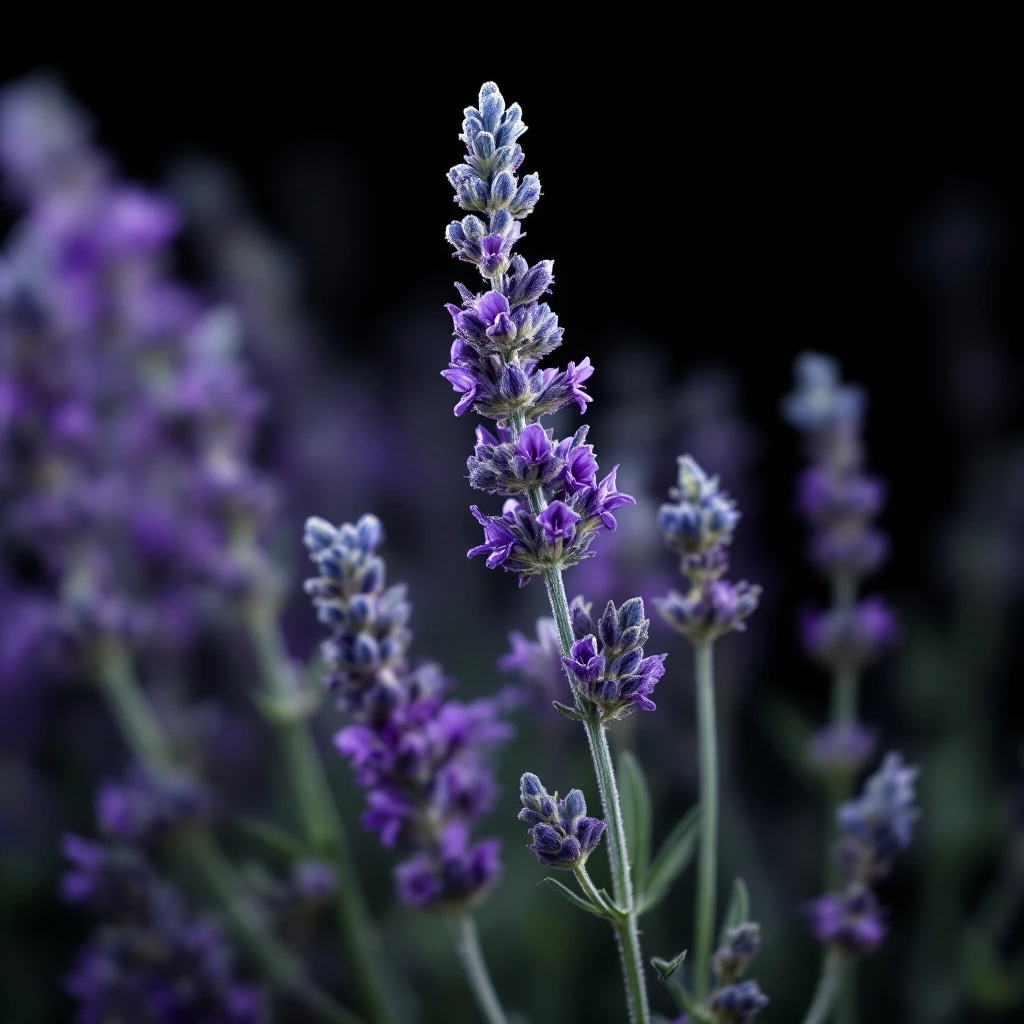
Grown in the sun-drenched hills above Grasse, Seillans Lavender delivers crisp, herbaceous brightness with a sweet floral heart. This Lavandula angustifolia essence captures the authentic character of Provençal fields.
Character
How it smells
Provence's blue gold, distilled
The Romans named lavender after 'lavare,' meaning 'to wash,' reflecting its centuries-long role in bathing and laundering.






Origin
France
Lavender has perfumed human civilization since antiquity. Ancient Egyptians employed it in their perfumery practices, while Greek and Roman physicians valued its medicinal properties. Archaeological evidence from Cyprus reveals lavender was being processed in dedicated perfume factories around 2000 BC.
The plant likely originated in the highlands of India before spreading across the Mediterranean. By the 18th century, the South of France centered its agricultural economy on lavender farming. The town of Grasse emerged as the heart of European perfumery, with lavender essential oil serving as a cornerstone ingredient.
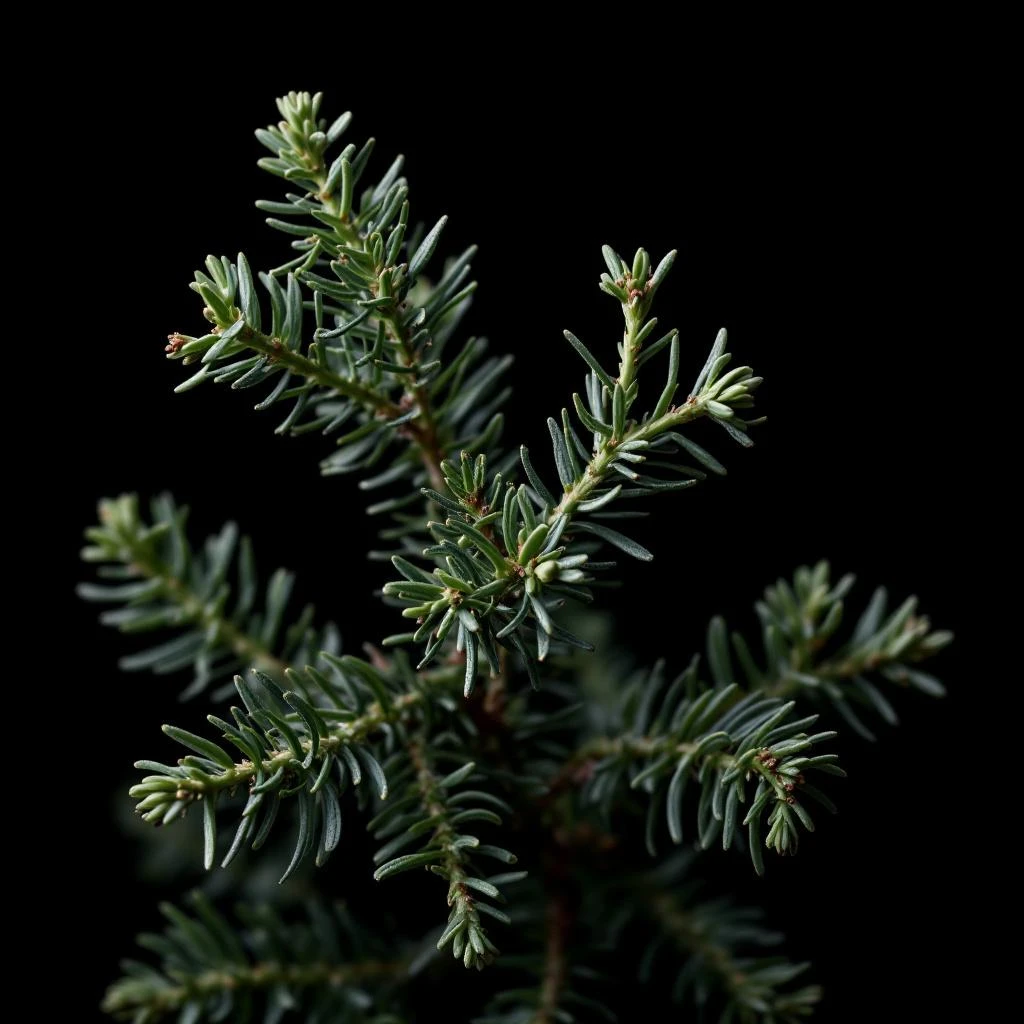
Lavandula angustifolia, the species distilled in Seillans, remains the gold standard for perfumery due to its exceptional essential oil content and refined aromatic profile.
Wears it best
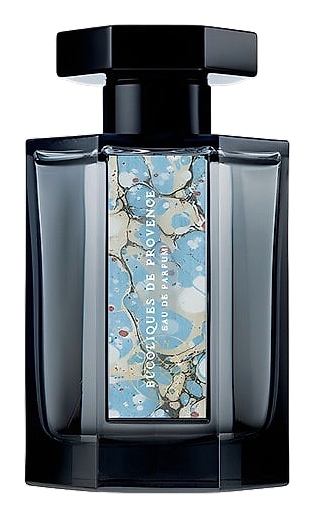
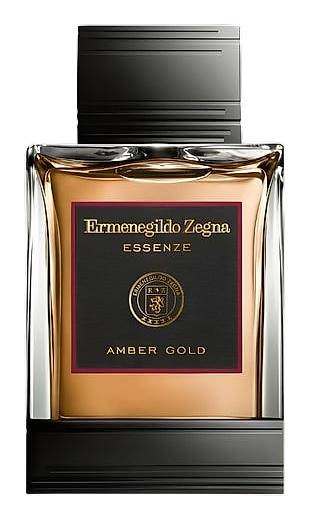
Fragrances featuring Seillans Lavender
Good to know
Questions, answered
The essentials on Seillans Lavender in perfumery: how it smells, where it comes from, and how it behaves on skin.
What role does lavender play in fragrance composition?
Lavender functions as a middle note that adds aromatic complexity to compositions. Its natural fixative properties help lighter top notes linger longer on the skin, making it valuable for extending fragrance wear time.
What does lavender smell like?
Lavender delivers a clean, herbaceous freshness balanced by sweet floral undertones with subtle camphoraceous hints. The result is a calming, distinctly fresh impression that reads as both natural and refined.
What makes Provençal lavender different?
High-altitude cultivation in mineral-rich soils and dramatic temperature shifts produce superior lavender oil. Seillans lavender develops exceptional aromatic refinement with notably reduced camphor notes compared to lower-elevation varieties.
How is lavender essential oil extracted?
Steam distillation at 100 to 110 degrees Celsius for 30 to 90 minutes releases oil from flower bud glands. Vaporized compounds condense into a two-phase mixture: essential oil floats above lavender hydrosol for separation.
Does lavender contain allergens?
EU cosmetics regulations require linalool and linalyl acetate disclosure as allergens on ingredient labels when present above 0.001 percent in leave-on products. Both compounds occur naturally in lavender essential oil.
Why is lavender important in perfumery?
Lavender bridges aromatic, fresh, and floral fragrance families, making it indispensable in masculine grooming lines and aromatic compositions. Its versatility has sustained its use for over two centuries.
What is lavender's historical significance?
By the 18th century, Grasse had become Europe's perfume capital, with lavender serving as both a single-note fragrance and a foundational ingredient. Its herbal depth and natural freshness made it essential to perfumers.
What is the difference between lavender absolute and essential oil?
Solvent extraction produces absolute with greater aromatic intensity and richer depth. Essential oil via steam distillation remains the standard in perfumery for its cleaner, more nuanced profile.