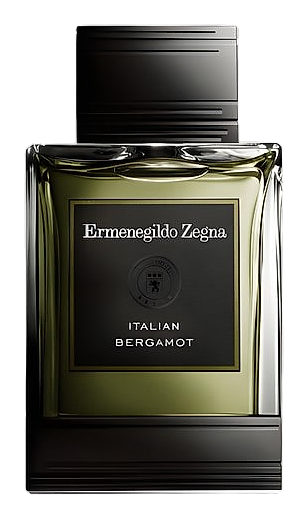
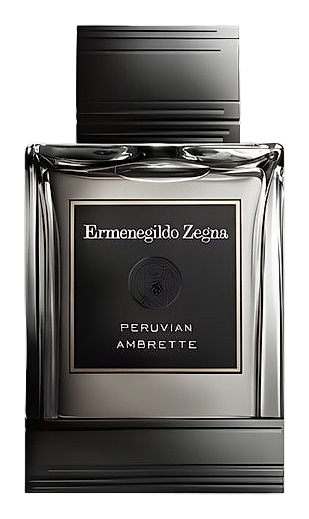
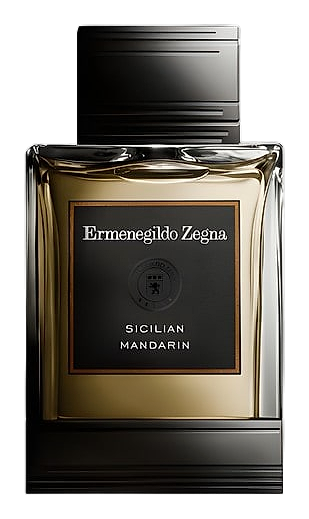
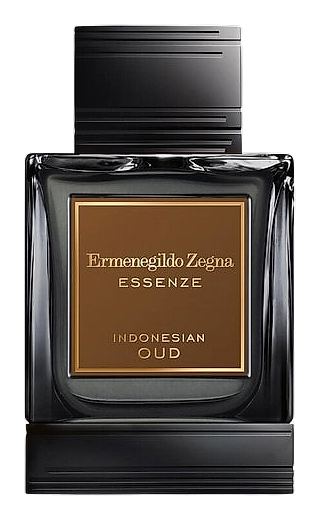




The Heritage
The Story of Ermenegildo Zegna
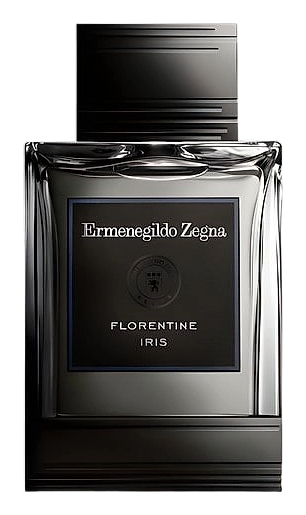
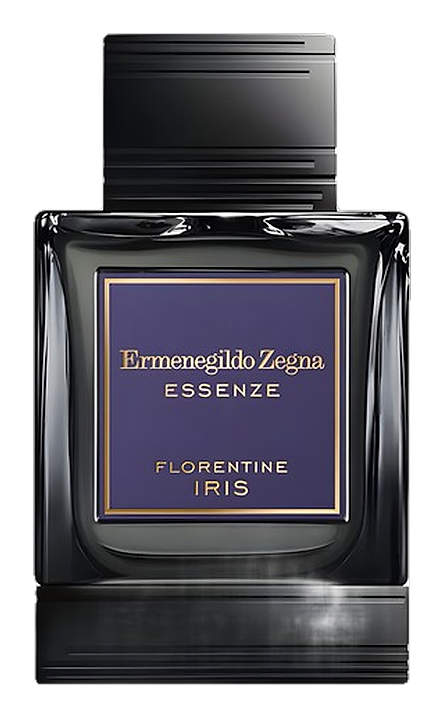
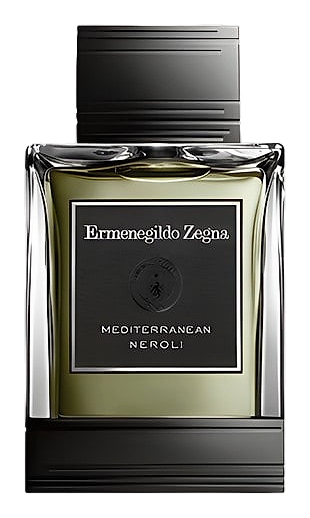
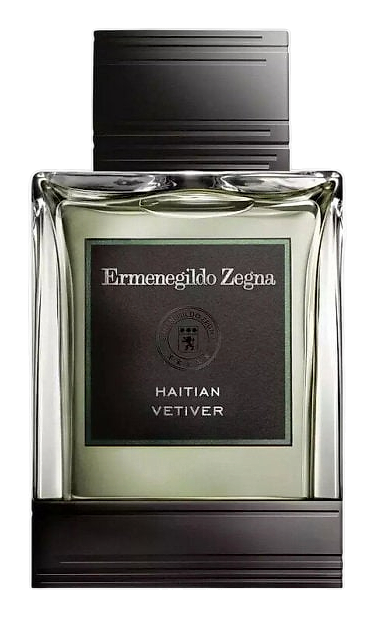
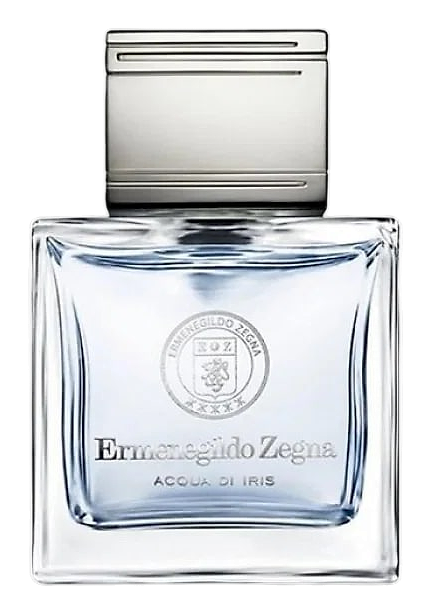
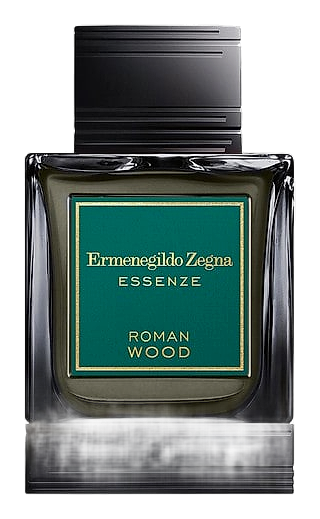
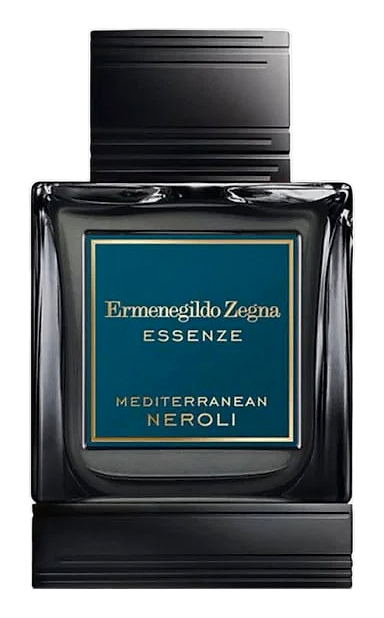
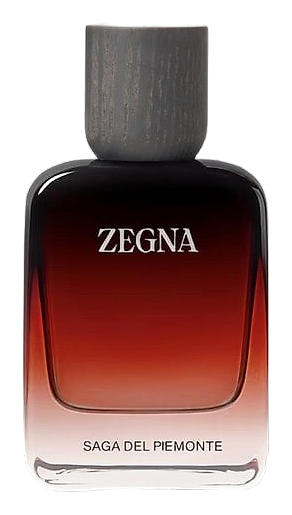
Ermenegildo Zegna began as a family‑run wool mill in the Alpine town of Trivero in 1910. Today the name appears on finely tailored suits, accessories and a growing line of fragrances that echo the house’s dedication to material excellence. The perfume portfolio, launched under the MEMORIE concept, offers scents such as Passion (2017), Mediterranean Neroli, Florentine Iris (2019) and the recent Saga del Piemonte (2026). Each bottle reflects the same attention to detail that the brand applies to its fabrics, inviting the wearer to experience a quiet confidence that feels both modern and rooted in tradition.
Heritage
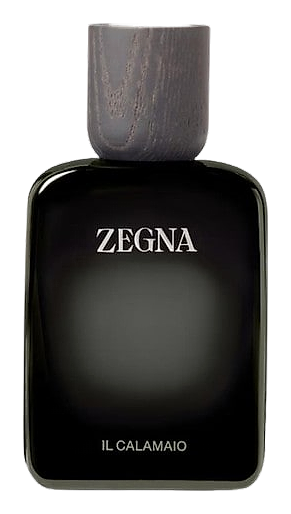
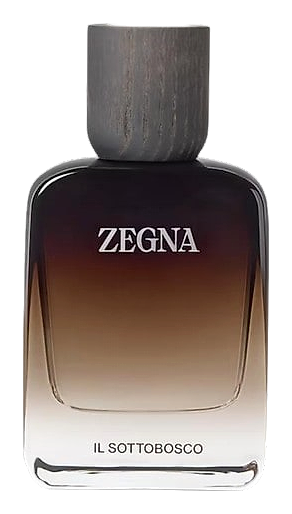
Ermenegildo Zegna was born in 1892 in Trivero, a small town nestled in the foothills of the Italian Alps. In 1910 he co‑founded a wool mill with his brothers, aiming to produce high‑quality fabrics for an emerging market of discerning gentlemen. The mill quickly earned a reputation for meticulous yarn selection and innovative spinning techniques, a reputation that helped the company expand beyond Biella into international markets during the 1930s. After World War II, Zegna introduced ready‑to‑wear collections that combined the softness of its textiles with contemporary silhouettes, positioning the house as a leader in Italian menswear. In the 1990s the family opened its first flagship store in Milan, reinforcing a direct relationship with customers. The turn of the millennium saw Zegna diversify into accessories, eyewear and, eventually, fragrance. In 2022 the brand unveiled MEMORIE, a six‑fragrance line that translates the founder’s life story into scent, each composition linked to a specific memory of the Alpine heritage, the textile workshop, or a travel experience. The line includes Passion (2017), a citrus‑spicy blend that predates MEMORIE but was later incorporated into the narrative, as well as newer releases such as Il Calamaio and Il Sottobosco (both 2026). Throughout its more than a century of operation, Zegna has remained a family‑controlled enterprise, with successive generations guiding its evolution while preserving the original commitment to quality and craftsmanship.
Craftsmanship
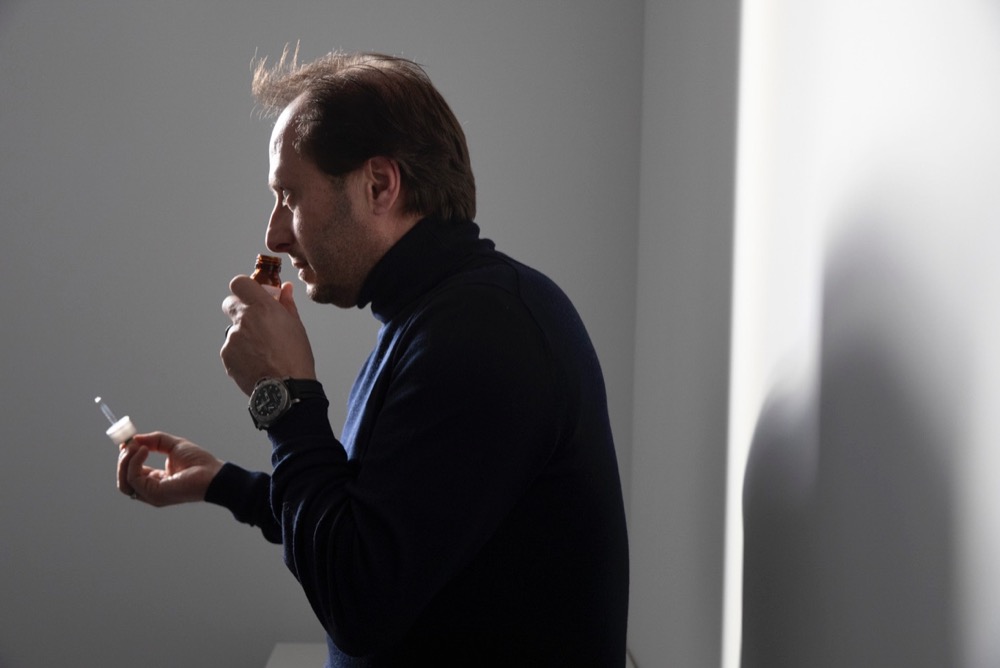
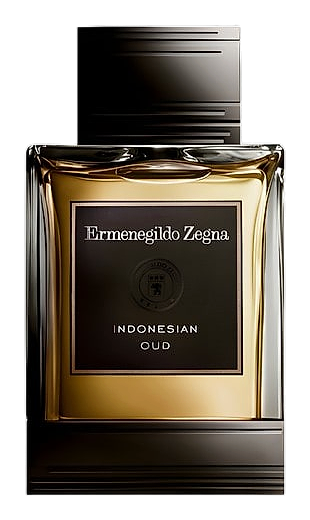
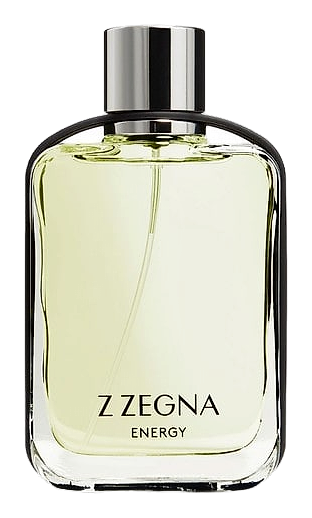
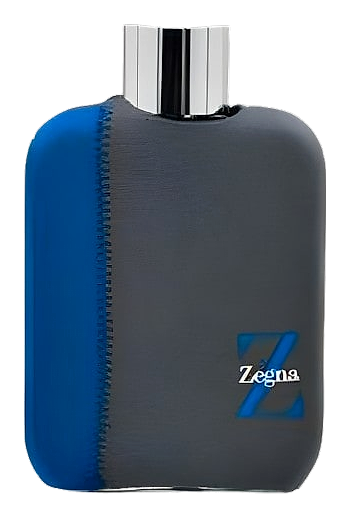
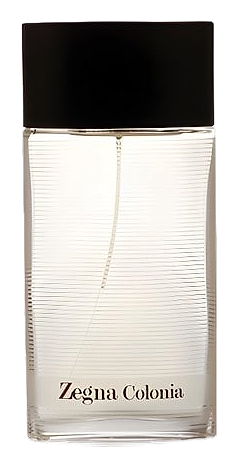
The fragrance workshop follows a process that mirrors the mill’s attention to detail. Raw ingredients arrive after rigorous quality checks; for example, neroli blossoms are harvested at peak bloom in the Mediterranean coast before being steam‑distilled to preserve their bright character. Oud sourced for the Indonesian Oud Eau de Parfum (2019) comes from sustainably managed forests in Sumatra, where the wood is aged for several years to develop depth. Zegna’s perfumers work in a temperature‑controlled lab, blending notes in small batches to ensure consistency. Each batch undergoes stability testing, confirming that the scent maintains its profile over time. Bottles are hand‑finished in Italy; the glass is cut, polished and inspected for imperfections before being fitted with a brushed‑metal cap that echoes the texture of a finely woven suit lapel. The final product is packaged in a minimalist box that uses recycled paper, reflecting the brand’s environmental commitments. Throughout the process, Zegna’s heritage of textile precision informs every step, from ingredient selection to the tactile feel of the bottle, ensuring that the perfume delivers a sensory experience as refined as its fabrics.
Design Language
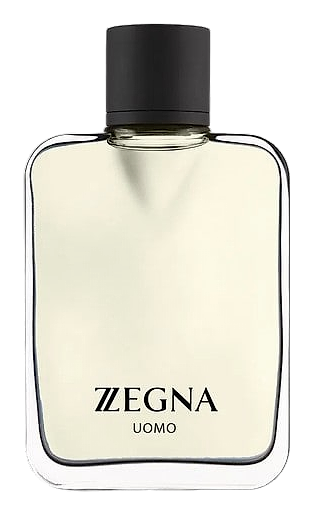
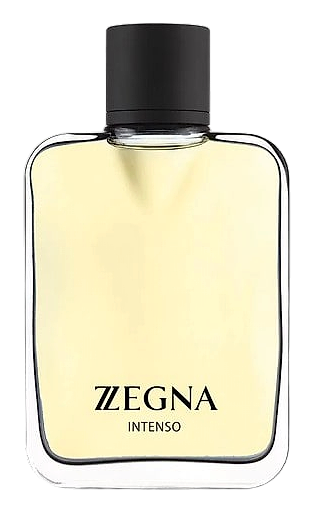
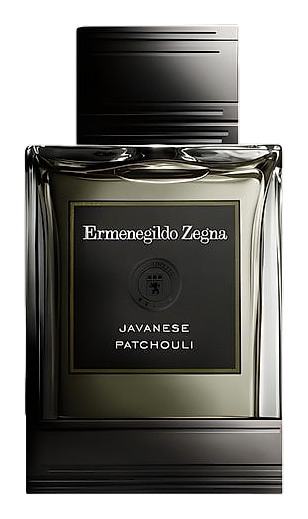
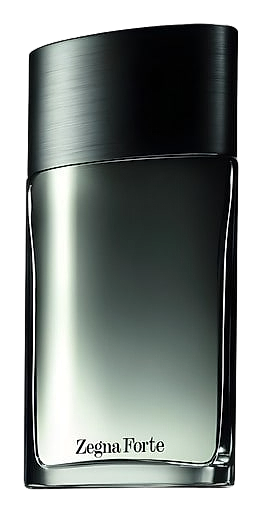
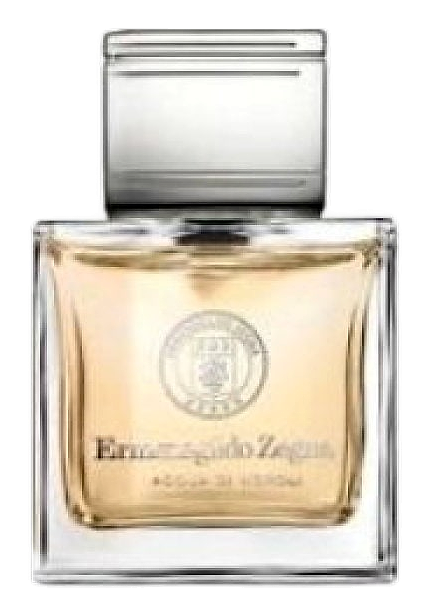
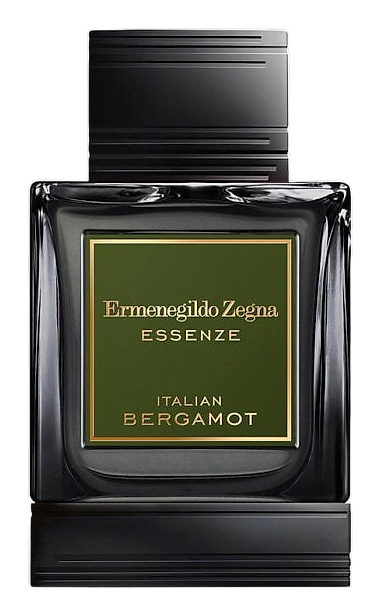
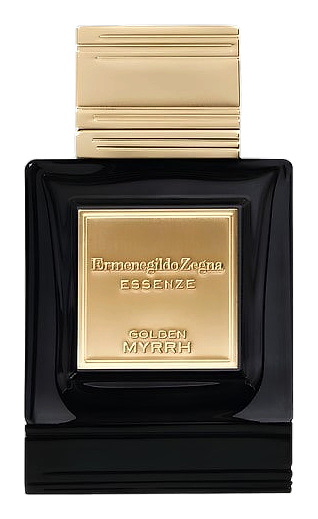
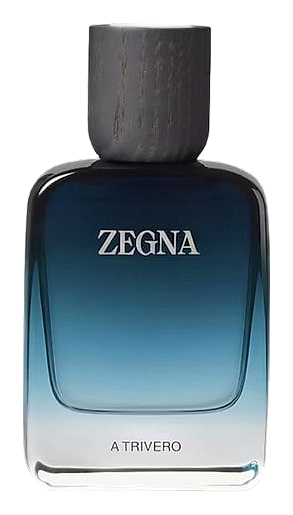
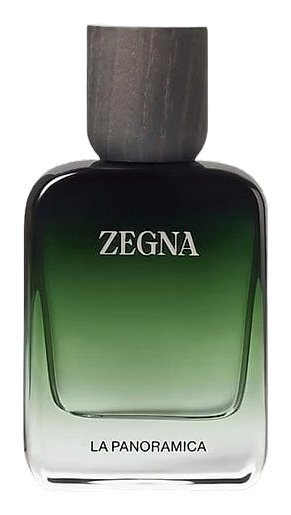
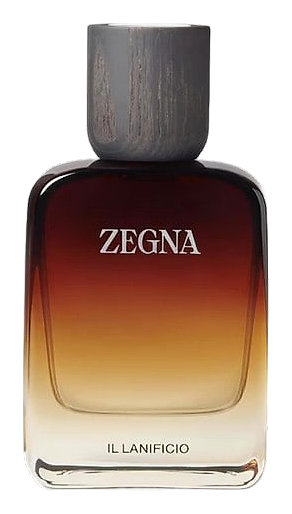
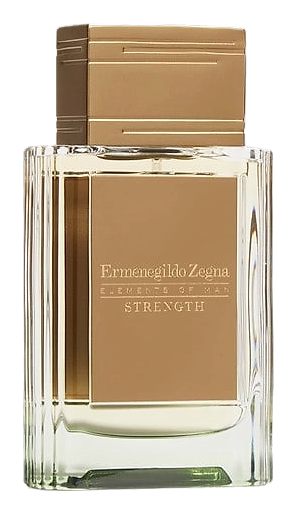
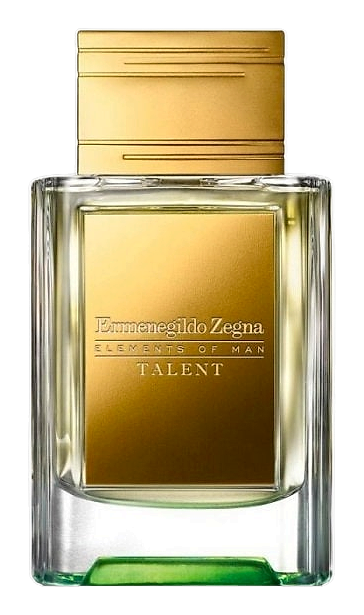
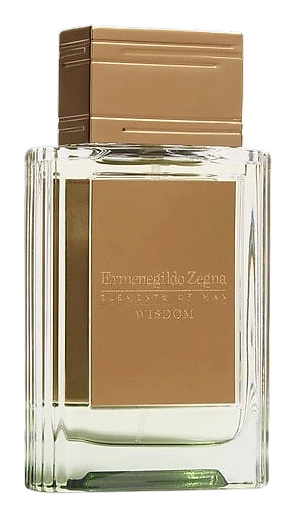
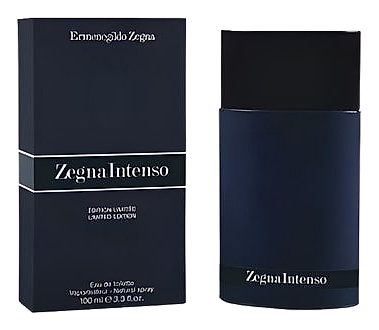
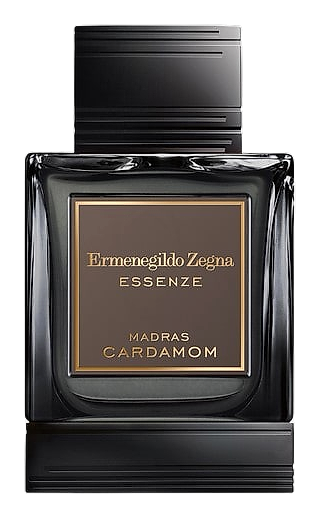
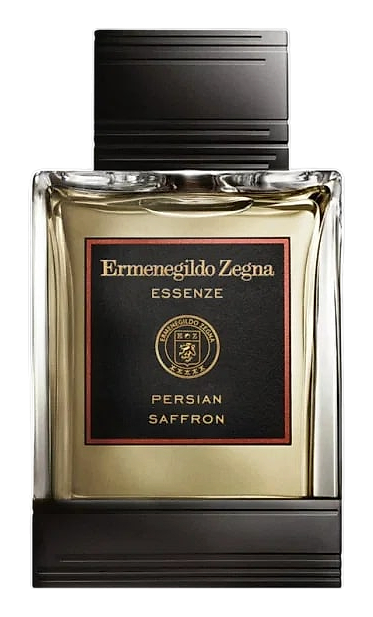
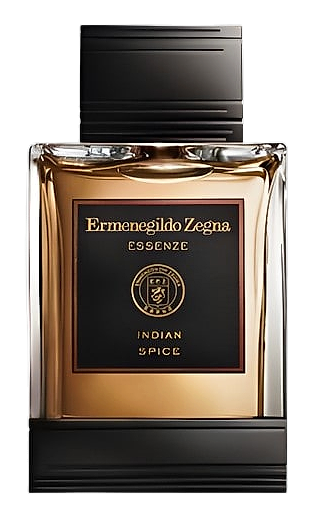
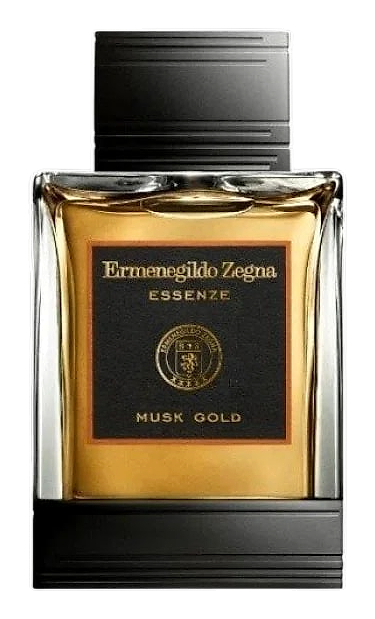
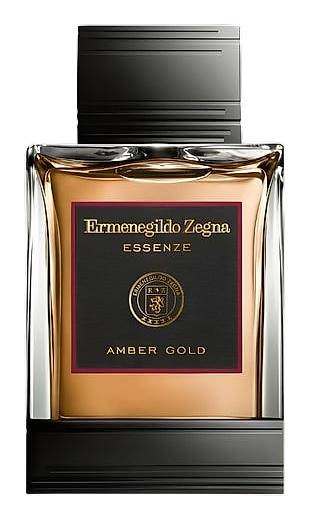
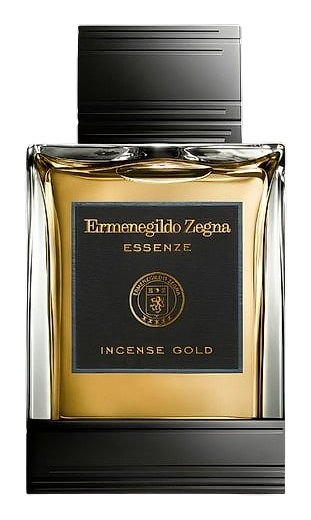
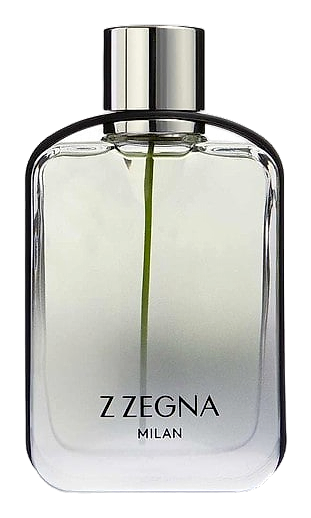
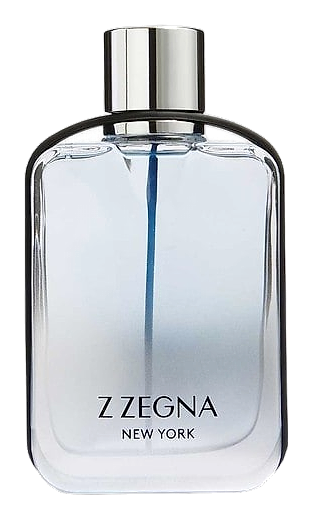
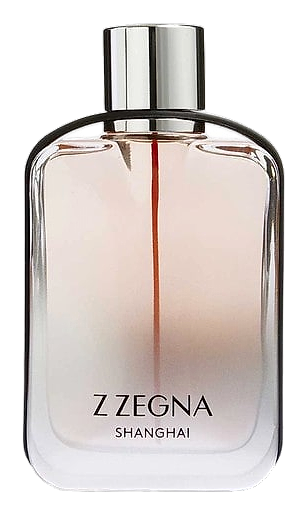
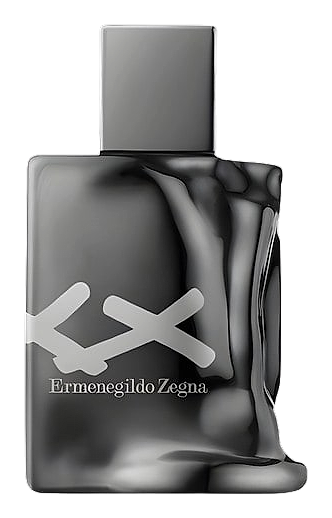
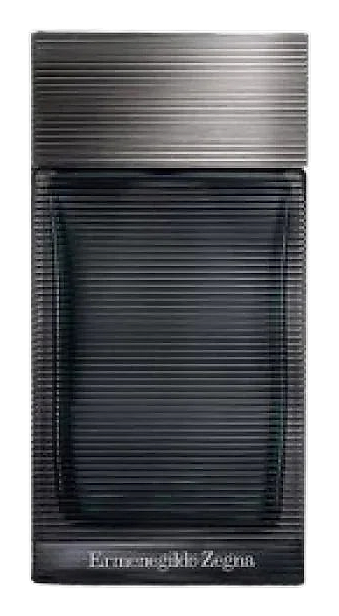
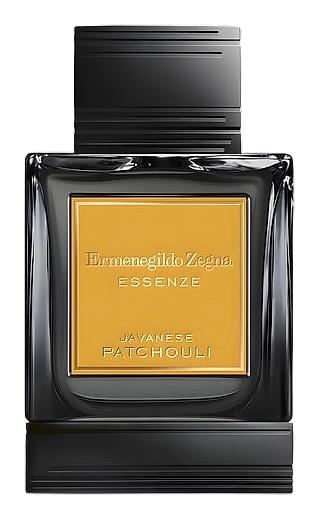
Zegna’s visual language balances classic tailoring with contemporary minimalism. Bottle designs feature clean lines, a muted palette of glass tones and metal accents that recall the subtle sheen of a well‑cut suit. The MEMORIE collection, for instance, presents a series of rectangular flacons with soft‑touch finishes; each cap bears a brushed‑gold or matte‑black finish that differentiates the individual scent while maintaining a cohesive family look. Labels use a simple serif typeface, echoing the brand’s heritage typography found on its clothing tags. The packaging adopts a restrained color scheme—often ivory, charcoal or deep navy—allowing the perfume’s hue to become the focal point. Advertising imagery favors natural light and architectural backdrops, positioning the fragrance alongside timeless Italian landscapes or the interior of a classic tailoring workshop. This aesthetic reinforces Zegna’s narrative of quiet confidence, where elegance arises from proportion, material quality and an understated visual presence.
Philosophy
Zegna treats fragrance as an extension of its textile philosophy: material matters, and scent becomes a wearable fabric. The house believes that a perfume should evoke a personal memory rather than merely project a trend, a stance that guided the MEMORIE project. Creative teams collaborate with perfumers to translate tactile sensations—such as the crispness of fresh wool or the warmth of a sun‑kissed hillside—into aromatic notes. Sustainability informs ingredient choices; the brand seeks raw materials that respect the environments where they originate, mirroring its long‑standing respect for the Alpine ecosystems that supplied its wool. Zegna also values discretion; the brand avoids overt marketing hype, preferring quiet storytelling that lets the perfume speak for itself. This approach aligns with the broader Zegna ethos of understated elegance, where each product serves as a subtle statement of personal refinement.

Key Milestones
1910
Ermenegildo Zegna co‑founds a wool mill in Trivero, establishing the foundation of the Zegna Group.
1930
The company expands its textile production to Biella, gaining international recognition for high‑quality fabrics.
1991
Zegna opens its first flagship store in Milan, marking a direct retail presence for the brand.
2022
Launch of the MEMORIE fragrance line, translating the founder’s life and the house’s heritage into scent.
2026
Release of Saga del Piemonte, Il Calamaio and Il Sottobosco, expanding the perfume portfolio with regionally inspired compositions.
At a Glance
Brand profile snapshot
Origin
Italy
Founded
1910
Heritage
116
Years active
Collection
1
Fragrances released
Avg Rating
4.5
Community sentiment
Release Rhythm