
The Story
Why it exists.
The beginning
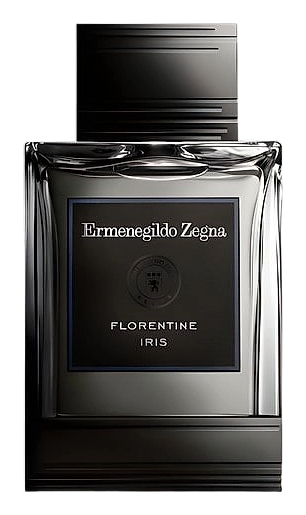
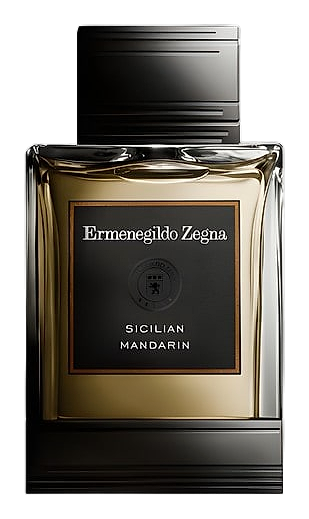
The Essenze collection arrived in 2012 as Zegna's first concentrated statement in fragrance. Five scents, five ingredients the house had direct relationships with, and for Sicilian Mandarin, that ingredient was mandarin. Not bergamot as the supporting player, but the fruit itself as the protagonist. Harry Fremont built the composition around a specific vision: a citrus that behaved like a Zegna suit, structured enough to hold its shape through an entire day rather than collapsing into pleasant anonymity after the first hour. The choice of Sicilian mandarin over more common orange wasn't incidental, it was territorial. Zegna had access to groves other houses didn't, and that provenance was meant to translate into something irreplaceable on skin.
What makes Sicilian Mandarin unusual is what happens after the opening. Most citrus fragrances peak immediately and decline; their drydown is either nothing or a faint white musk that signals the fragrance has essentially ended. Here, the moss does something different. It takes over gradually, replacing citrus brightness with an earthy, green complexity that actually extends the fragrance's meaningful life. The petitgrain bridges the two phases, bitter floral against bright citrus, before the moss arrives to anchor everything that came before. It's a structure that rewards patience rather than demanding it.
The evolution
The opening hits immediately. Bergamot and mandarin arrive together, the bergamot adding a slight bitter edge that keeps the mandarin from reading sweet. This phase lasts roughly twenty minutes, bright, clean, almost sharp. Then the spearmint enters and cools the composition, pulling it away from fruit and toward something more herbal. By the second hour, the petitgrain has fully announced itself, adding a bitter floral note that pushes the fragrance into green aromatic territory. The moss doesn't arrive all at once. It builds gradually, replacing the citrus brightness with something earthier, woodier. By hour four, what remains is moss and a ghost of petitgrain, the citrus long gone but not forgotten. The sillage drops to intimate at this point. Close skin only. But it persists. The next morning, there's a faint moss-and-green quality on fabric that suggests the fragrance didn't just disappear, it settled.
Cultural impact
Part of the Essenze collection, which positioned Zegna in the premium citrus space. The five-fragrance line each centered on a single ingredient with Zegna's owned supply chain, bergamot, mandarin, patchouli, oud, iris. The approach was serious rather than ornamental: citrus as craft, not convenience.