
The Story
Why it exists.
The beginning
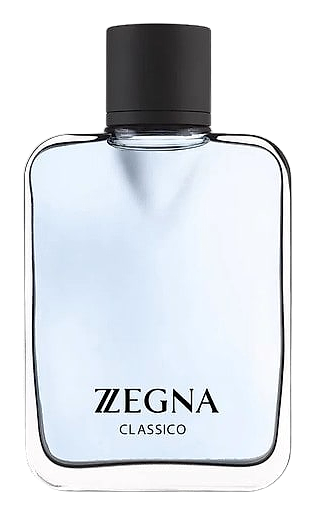
Z Zegna arrived in 2005 as the second men's fragrance from an Italian house better known for suits than scents. Perfumer Antoine Lie, working with Pierre Negrin and Olivier Gillotin, reached for bergamot and rosemary as opening notes. The cashmere wood in the base draws from the house's heritage in wool textiles, grounding the composition in something warm and familiar. There's a deliberate connection between the brand's core material and this fragrance's foundation, a soft wood note that evokes the comfort of fine knitwear against the skin. The overall effect moves from bright citrus brightness through herbal complexity toward a warm, almost tactile drydown that speaks to the brand's textile expertise.
Cashmere wood is a synthetic material that replicates the soft, skin-close warmth of the actual textile. The pairing of that soft wood with oakmoss creates an interesting tension: cashmere wood is cuddly, oakmoss is forest-floor dry. Together they give the drydown a quality somewhere between cashmere sweater and autumn walk. An aquatic note appears in the opening, lending a brief, water-like brightness that adds dimension before the deeper woods take over.
The evolution
The bergamot hits immediately, bright and almost fizzy. Rosemary arrives thirty seconds later and stays for the first hour, green, slightly camphoraceous, definitely not subtle. Then the iris arrives and the whole thing softens. Powdery, warm, a little sweet. The white pepper and nutmeg are there but barely announce themselves; they add warmth rather than heat. The cashmere wood takes over around the second hour and stays. Oakmoss gives it a dry, slightly dirty edge that keeps it from going full powder. Patchouli and musk anchor everything close to the skin. The progression moves at a deliberate pace, each phase inviting you to notice how the composition shifts from crisp opening to creamy heart to grounded finish.
Cultural impact
Z Zegna carved out a space in early-2000s designer fragrance as something aromatic and herbal in a landscape that favored citrus and aquatic notes. The rosemary opening sets it apart from more conventional releases of its era, giving it a distinctive green quality that rewards attention.