The Story
Why it exists.
The beginning
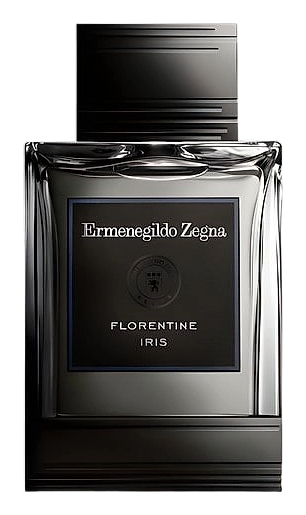
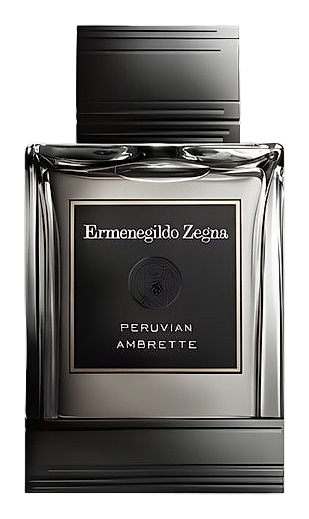
The Essenze collection reached its seventh chapter in September 2014 with Peruvian Ambrette, a fragrance built around one of the rarest materials in perfumery. The name is not metaphorical. Ambrette seed oil comes from the seeds of Hibiscus abelmoschus grown in the San Martin region of the Peruvian Amazon, harvested in tiny quantities through a multi-stage process that makes it among the most expensive botanicals available to perfumers. Zegna positioned it as the collection's study in restraint: a single remarkable material, framed rather than complicated. The flacon followed the established Essenze template, rectangular, soft-touch finish, brushed metal cap, because the house understood that when the ingredient is this singular, the architecture should step aside.
What makes Peruvian Ambrette unusual is what it doesn't contain. Most masculine fragrances with powdery character rely on synthetic musks or heavy iris extraction. Here, the powder comes from the ambrette itself, a warm, slightly nutty, vegetal musk that behaves like the real thing because it is the real thing. The cashmere wood and orris don't add complexity so much as they reinforce: cashmere wood brings its signature plush warmth, orris adds the faint floral powder of high-end cosmetics. Together they make the composition feel more expensive than its note count suggests, a common Zegna strategy.
The evolution
Bergamot and mandarin open clean, crisp citrus that cuts briefly before the ambrette announces itself. This is not the sharp animalic musk of older masculine fragrances. It arrives warm, golden, almost powdery from the first minute. The dusty makeup note some wearers describe starts here, but it's vegetal first, hibiscus family, not department store counter. Cashmere wood and orris arrive together, neither dominating. The guaiac wood adds a dry, slightly smoky base that keeps everything grounded. Suede surfaces in the drydown, skin-close and intimate. The sillage stays moderate throughout. On fabric, it projects further and lingers longer, still detectable on a scarf the next morning. The drydown narrows to a warm, close musk that rewards proximity. The fragrance is described as linear, but linear here means unified rather than static, every hour reveals the same essential character with slightly different emphasis.
Cultural impact
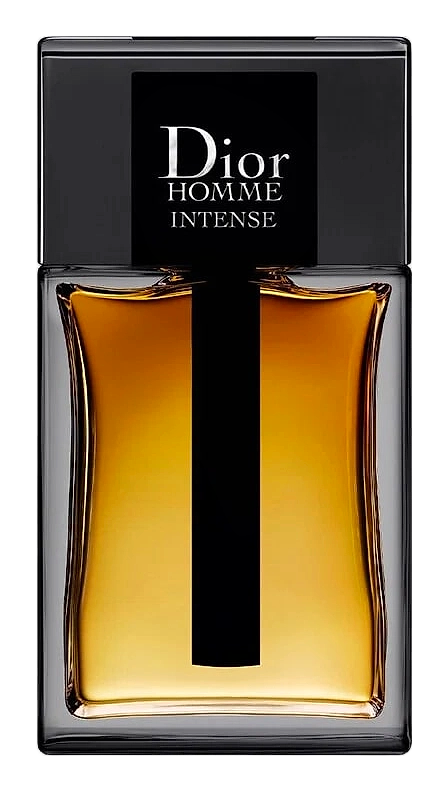
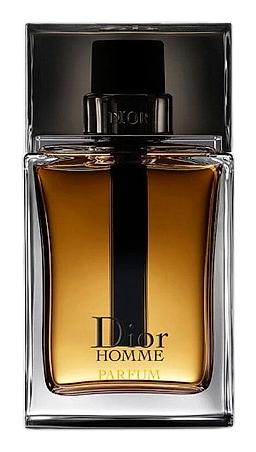
Powdery fragrances have traditionally lived on the feminine side of the aisle, making Peruvian Ambrette an outlier in men's fragrance. The warm, powdery character, evident since its 2014 debut, appeals to men who find typical masculine compositions too sharp or too loud. For wearers who associate Dior Homme Intense with its characteristic dusty makeup quality, Peruvian Ambrette offers a lighter, more restrained alternative with similar DNA. The fragrance suits someone who measures confidence in restraint rather than projection. The intimacy of its sillage means it works best in close quarters, offices, dinners, conversations where proximity matters. The wearer who chooses this is not announcing themselves. They're waiting to be noticed.