
The Story
Why it exists.
The beginning
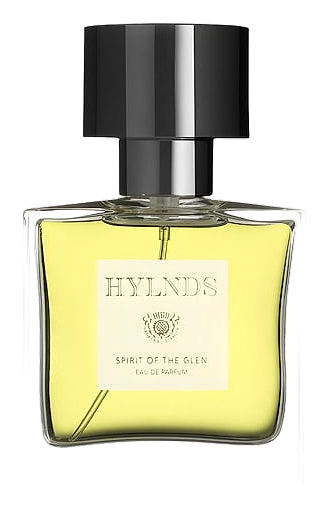
Spirit of the Glen is David Seth Moltz's olfactory translation of Speyside, the remote glens of Scotland where whisky is shaped by centuries of craft. Released in 2013, the fragrance takes its cues from every stage of whisky production: the green, fruity freshness of the raw ingredients, the oak of the aging barrels, and the rich, vanillic wood of a well-kept single malt. The brand's own note describes it as opening fresh and fruity, releasing oak in the heart, and finishing with rich, vanillic wood reminiscent of The Glenlivet. It's a composition that builds the experience of place note by note, letting the top notes carry you into the landscape, the heart grounding you in the wood, and the drydown settling into something that evokes the quiet patience of a cask room.
What makes this composition unusual is its fidelity to a process rather than a product. Spirit of the Glen instead traces the entire arc, from orchard to glass. The pineapple and pear open the composition with a juicy clarity, the kind of bright sweetness that signals something fresh and unaged. The oak and chamomile in the heart reference the cask itself, Limousin oak, the wood that shapes a whisky's character over time. And the base of malt, coal, and whiskey captures both the kiln smoke and the finished spirit, a move from cool, dewy greenness to deep, aged warmth.
The evolution
The first thirty minutes are almost disorienting in their freshness. Pear and pineapple sit bright against cut grass, a combination that reads more like a walk through an orchard than anything connected to whisky. There's a green, almost herbal clarity here, chamomile threading through quietly, that makes the scent feel like the raw materials before the distillery gets involved. The fruit is vivid, almost sharp, and it dominates with a clean, easy brightness that suggests early morning and cold air. By the two-hour mark, the oak arrives, and with it the shift. The greenness fades, replaced by a dry, woody warmth. The chamomile deepens, picks up a hay-like sweetness, and the whole composition starts to lean into something denser, more resinous. The wood note has a grain to it, a texture you can almost feel on skin. From hour four onward, the base takes over completely.
Cultural impact
The fragrance takes a notably literal approach, tracing the production process from raw ingredients to aged spirit rather than simply imitating the pour. That conceptual clarity, the decision to render every step of whisky-making in olfactory form, sets it apart from more straightforward boozy compositions. The pineapple and pear top notes feel distinctly agricultural, more like biting into ripe fruit than sipping a cocktail, while the chamomile and oak in the heart bring a grounded, herbal calm. The drydown of malt, coal, and whiskey ties the whole structure together, giving the composition a warm, slightly smoky conclusion.