The Story
Why it exists.
The beginning
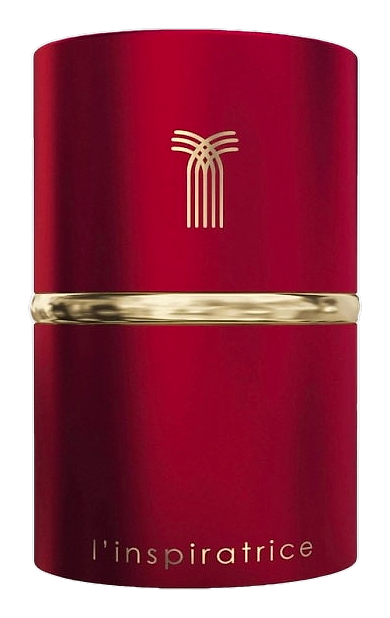
L'Inspiratrice arrived in 2006 from the workshop of Richard Ibanez, who built it around a single idea: what happens when patchouli and rose stop competing and start finishing each other's sentences. Bergamot and ylang-ylang arrive alongside them, carrying brightness and a tropical creaminess that softens the central accord before it even settles. Musk, vanilla, and tonka ground the whole thing, pulling the composition downward into something warm and slightly resinous. The drydown reveals a soft, dusty quality, the kind of scent that lingers on fabric for days after. On skin, the patchouli hums rather than announces itself, sitting just beneath the rose's cool green facets. There's a mineral edge at times, a faintly metallic flicker that keeps the sweetness from tipping over.
The pairing itself isn't radical, rose-patchouli sits at a familiar crossroads in modern perfumery, and the duo shows up in countless chypre-adjacent compositions. What Ibanez does is sidestep the usual moves. No sharp citrus pivot. No gourmand curveball. Instead, the Anatolian rose stays cool and almost green, the Indonesian patchouli stays damp and earthen rather than chocolatey, and the tonka-vanilla base reads like honey that forgot it was supposed to be sweet. The accord stays suspended in that middle register, floral, but rooted.
The evolution
The first ten minutes belong to the Calabrian bergamot, bright and slightly bitter, doing what bergamot does before anyone can stop it. Then the ylang-ylang swells in, creamy and a little dense, and the Anatolian rose arrives with it, not jammy, not old-fashioned, but a cool red rose with the thorns still on it. Peony softens the edges around the half-hour mark. By the second hour, the base has taken over: Indonesian patchouli, warm and loamy, with Haitian vetiver threading through like a green stitch. The vanilla and tonka never announce themselves outright; they register as a low sweetness, almost like warmed honey, and they stay. On fabric the next morning, the patchouli and musk are what's left, quiet and close to the skin. The composition doesn't fade so much as lean in.
Cultural impact
L'Inspiratrice occupies a particular corner of rose-patchouli territory, the kind of fragrance wearers reach for when they already know what they like and want something that rewards repeat wearing. Parfumo's 'Smells similar' section lists Guerlain's Chypre Fatal and Nishane's Nanshe as adjacent compositions that share its register. The scent draws comparisons for a reason: it commits to depth and texture over bright decoration. The rose reads cool and almost green, never tipping into the jammy or candied territory that flattens so many modern florals.
The House
DivineDivine is a French perfume house that grew out of a single vision on the Emerald Coast of Dinard. Since 1986 the brand has offered a steady stream of scents that balance classic French elegance with a contemporary sensibility. Its catalogue includes both masculine and feminine compositions, from the early L'Homme de Coeur (2002) to the recent l'été fleur d'orange (2023). Divine positions itself as a laboratory for quiet discovery, inviting wearers to explore memory, place and feeling through carefully layered notes. The house remains independent, producing each fragrance in modest batches to preserve the integrity of its olfactory ideas.
The Creator
Richard IbanezRooted in Robertet's naturals heritage, Ibanez gravitates toward ingredients that carry genuine botanical character rather than synthetic facsimiles. His work spans surprising territory: he composed the effervescent Gimgembre with its champagne-like grapefruit and candied ging…