
The Story
Why it exists.
The beginning
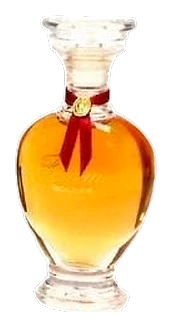
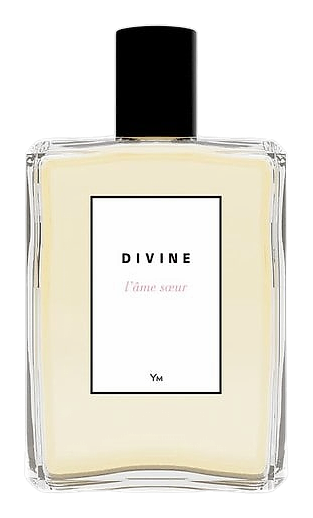
Yann Vasnier composed L'Ame Soeur in 2004, and the fragrance was built on a single idea: take the cold, metallic shimmer of aldehydes, then soften it with flowers that carry actual weight. Rose, jasmine, ylang, the kind of ingredients a perfumer selects with care. The composition stays narrow on purpose. Three blooms, one opening accord, a base that doesn't shout. It's the kind of structure that demands balance rather than abundance. Vasnier's hand is visible in the restraint. Nothing overwhelms. The aldehydes lift; the florals ground; the base holds. The name itself signals intimacy over statement, an invitation rather than an announcement. Even the way it sits on a counter, quiet in its bottle, suggests that the juice inside was meant for the wearer's own pleasure, not for the room.
Most aldehydic florals lean on one big bloom and call it done. L'Ame Soeur refuses that shortcut. Rose otto brings the dense, jammy depth. Jasmine adds the sweetness. Ylang brings that slightly wilder edge, keeping the heart from going precious. The result is a bouquet that feels alive rather than composed in a vase. Liatris adds a powdery-cool lift to the base, bridging the florals to the warmer amber and vetiver below. It's a combination that respects both tradition and modern wearability. The interplay between the aldehydes and the florals feels carefully tuned.
The evolution
The opening is a sharp intake of air, aldehydes sparkling with that signature soapy, cold-air feeling, the way metal smells after a rain. Bergamot, noted by some, hums faintly beneath. Then the florals arrive, not one at a time, but together, as if a curtain lifted. Rose and jasmine hold the center through the heart, the ylang's wilder notes settling into the background as the composition settles. Eventually, the amber shows up, warm and slightly animalic from the ambergris influence, while liatris keeps a powdery trail alive above the vetiver's earthy weight. The drydown is the best part: skin-warm, clean, faintly sweet, still present hours later on fabric and pulse points. The next morning, on a scarf or collar, it reads as soft amber and soap, the memory of flowers. The aldehydes, so present in the opening, also retreat gracefully. You catch them in flashes.
Cultural impact
L'Ame Soeur sits comfortably within the lineage of aldehydic florals, the kind of composition that nods to the grand tradition without performing it. Wearers describe it as an introspective scent, something chosen rather than noticed. Its moderate sillage makes it a close-to-skin fragrance, one that rewards the person wearing it more than the room. Among aldehydic-floral fans, the liatris note in particular sets it apart from more conventional constructions. The fragrance has found an audience among those who appreciate the genre's classic codes but want something with a fresher, more contemporary feel.