The Story
Why it exists.
The beginning
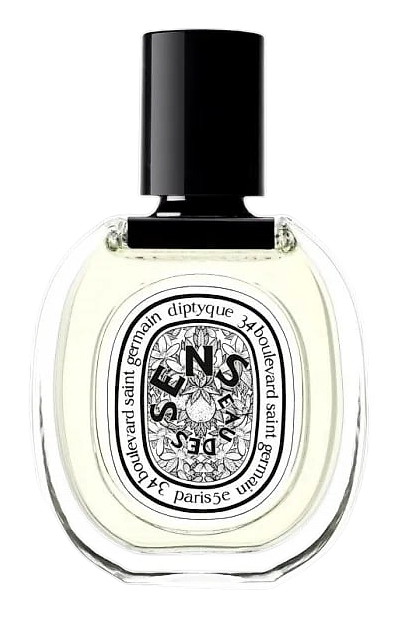
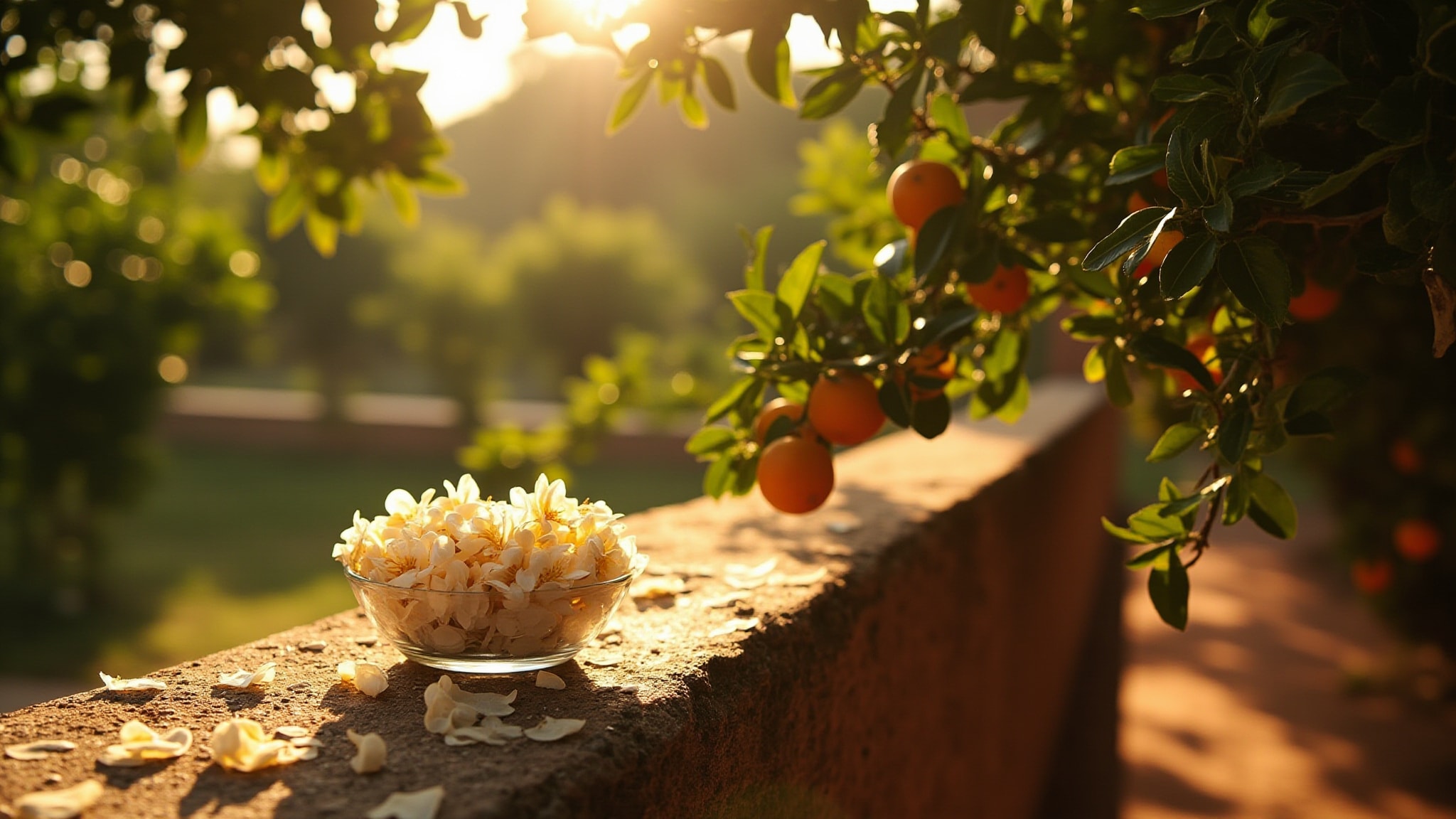
Eau des Sens launched in 2016, the work of perfumer Olivier Pescheux. Diptyque gave him a brief that sounds more like a dare: capture every dimension of the bigarade, the bitter orange tree. Not just the blossom. Not just the peel. The branches, the leaves, the root system, the fruit. The whole plant, from canopy to soil, in a single eau de toilette. Most fragrances pick a single facet of their star ingredient and let everything else orbit around it. This one refuses the orbit. It builds the tree, then hands you a chair underneath it. The result is a composition that treats the bigarade not as a supporting player but as a complete botanical subject. Pescheux doesn't separate the flower from the fruit from the branch.
The trick is a strange one: how do you make orange blossom smell like the entire tree without it collapsing into a muddled green-citrus mess? Pescheux's answer is structural contrast. The angelica root cuts through with an earthy, slightly bitter sharpness that grounds the sweetness of the blossom. Juniper berry brings a cool, almost piney snap that reads as leaf and twig. Patchouli, light and clean rather than heavy, does the work of soil and shadow beneath the canopy. Together they triangulate around the orange blossom instead of competing with it. The result feels less like a composition and more like a place.
The evolution
The first ten minutes are loud. Bitter orange zest and angelica arrive almost aggressively, the way citrus and green herbs do before they learn to share space. It reads sharp, almost medicinal. It just needs a minute to settle into its own skin. By the thirty-minute mark the orange blossom has taken over, and it's a different animal than the opening suggested. Not the soft, honeyed, almost indolic blossom of traditional neroli compositions. This one has green edges, herbal undertones, the unmistakable character of a living flower still attached to its stem. The angelica keeps pulsing underneath, bitter and rooty, keeping the sweetness honest. Juniper drifts in and out, adding a cool counterpoint that prevents the whole thing from going soft. The patchouli arrives properly, not the thick, dark, chocolate-dipped patchouli of vintage formulations.
Cultural impact
Eau des Sens sits in the orange blossom conversation as something distinct from the usual interpretations. Where many orange blossom fragrances lean soft and comforting, this one stays bitter and green. It's the orange blossom for people who found the conventional versions too polite, too clean. The fragrance earns a reputation among wearers as the one that actually smells like a tree, and that specificity is exactly its draw. It refuses to compromise, and it's beloved for the same reason. What makes Eau des Sens stand apart is how completely it commits to the botanical reality of its source.