The Story
Why it exists.
The beginning
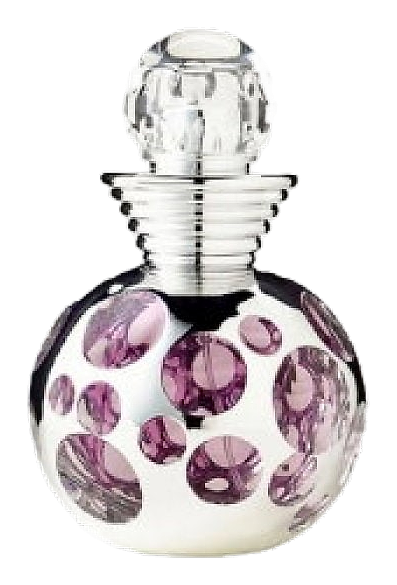
Midnight Charm arrived in 2006 as a flanker in the Dior lineup, the kind of smaller release that borrows from the main house while setting out on its own. The mood here is colder, sharper, built for evening air and the hours after the table is cleared. Where some Dior fragrances lean into spring grass and garden petals, this one tilts toward frost, aldehydes, and the brittle edge of a glass rim catching candlelight. It sits comfortably in that era of accessible prettiness the house was known for, the kind of bottle you'd find tucked between classics on a department store shelf, quietly holding its own without demanding the spotlight.
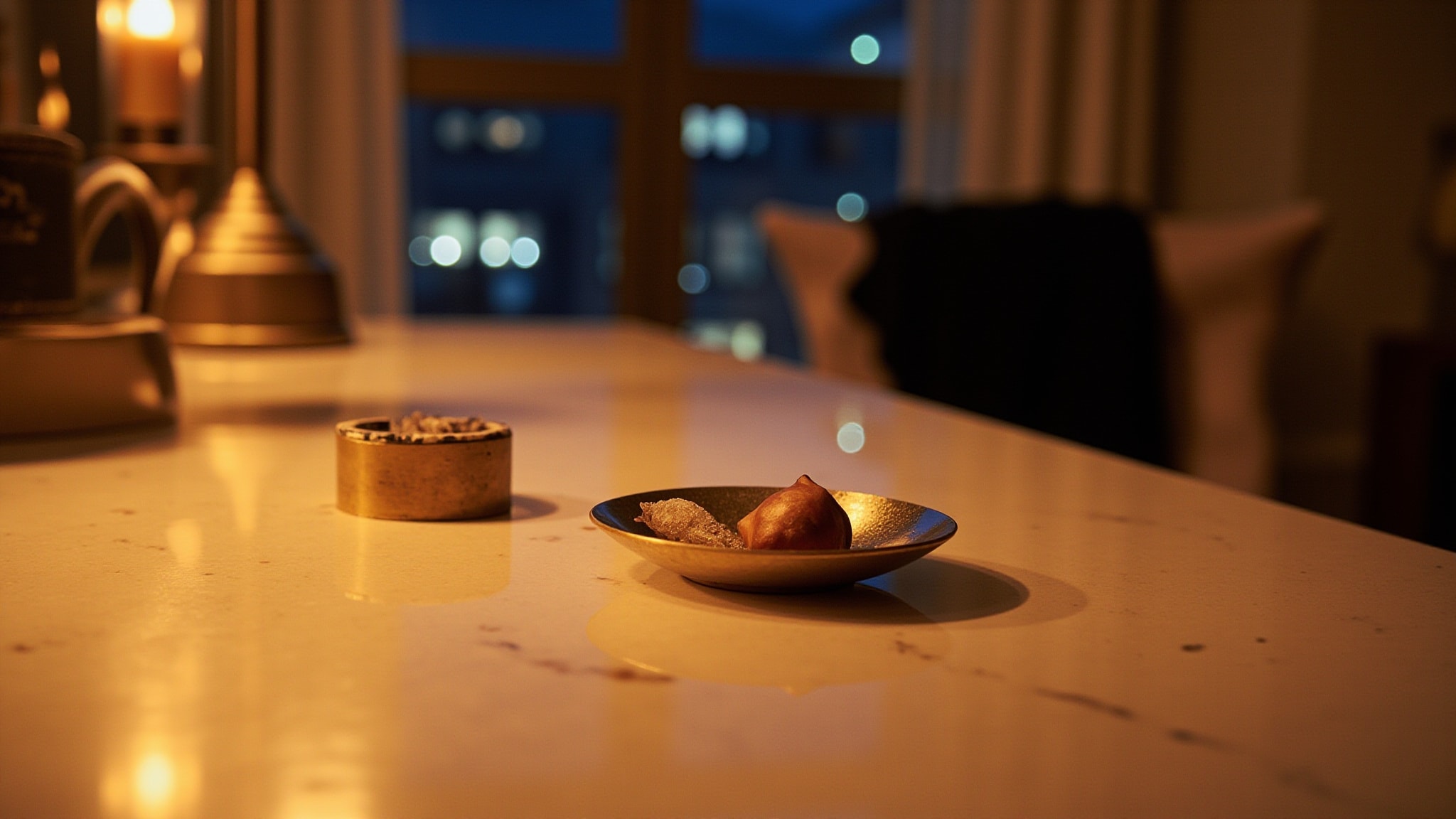
The interesting choice here is chestnut in the base. It's an unusual anchor for a composition that leans so heavily on caramel and peach, and it does something most caramel-led florals don't bother with: it grounds the sweetness. Without that chestnut weight, the peach and caramel combo would float off into candy territory and lose any claim to sophistication. The aldehydes, meanwhile, land cool and almost metallic, the kind of crisp opening that reads more like a January window than a vintage soapy powder.
The evolution
The opening belongs to the aldehydes, which crack over mandarin and green notes with a sharpness that reads almost icy, the kind of first impression that makes you check your wrist twice. Soon after, the jasmine and rose settle in, but they don't arrive heavy. The peach underneath them keeps things soft and slightly syrupy, a fruit compote rather than a fresh slice, and that sweetness gives the florals a cushioned landing. As the composition moves along, the caramel arrives and pulls everything down into warmer territory. It's not a buttery, burnt-sugar caramel so much as the memory of a pastry case caught through a window, present but restrained. The chestnut and amber hold the late drydown, and that's where the composition earns its staying power.
Cultural impact
Midnight Charm occupies a particular corner of the Dior catalog: the discontinued flanker that draws quiet attention without ever becoming a household name. Its release in 2006 placed it alongside a wave of variations the house produced during that era, each one tweaking the floral formula with a new mood or seasonal tilt. Over time, it has slipped out of regular rotation, which gives it a certain appeal among fragrance enthusiasts who come across it secondhand or in older collections. There's something appealing about a bottle that no longer sits on counters but still turns up in conversations about Dior's lesser-known releases.