The Story
Why it exists.
The beginning
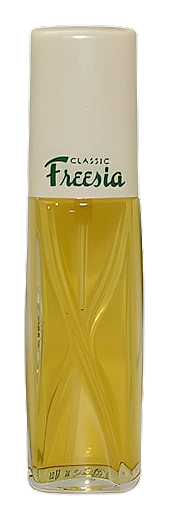
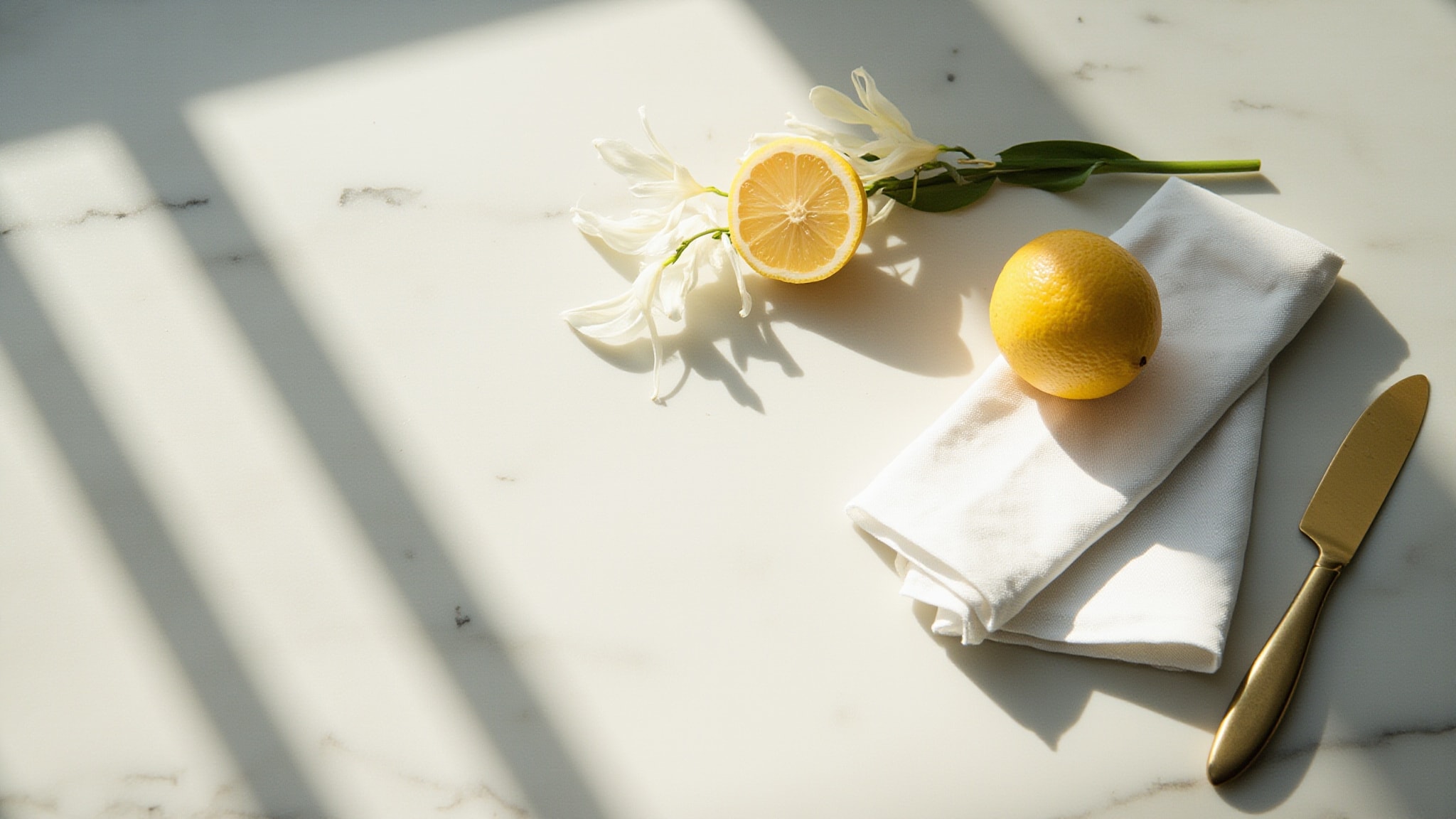
By 1994, Dana had assembled a catalogue built on a small, recognizable set of floral and oriental compositions. Classic Freesia arrived as part of a wave of more accessible 1990s floral offerings from the brand. A simple eau de cologne built around one flower and the citrus that frames it, it speaks to a confident restraint in composition, one that earns its place through structure rather than embellishment. The fragrance positions freesia, a flower with real presence in the field but limited real estate in the bottle aisle, as the entire architecture of the scent. What surrounds it stays light: Sicilian lemon and bitter orange set the tone at the opening, lifting the freesia without crowding it.
Freesia is one of perfumery's less-traveled leads. It's a cool, green-touched white floral that most mainstream compositions tend to handle as a side note, threading quietly through a larger bouquet. Dana built an entire composition around it, then opened with Sicilian lemon and bitter orange to amplify the flower. That choice, to let the freesia be the architecture rather than a decoration, gives Classic Freesia its spine. The citrus works as the doorway and the frame, bright enough to invite attention but always pointing back to the bloom at the center.
The evolution
The first fifteen minutes belong to the citrus. Sicilian lemon cuts bright and sharp, almost tart on first contact, with the bitter orange close behind it carrying a slightly softer, rounder weight. The freesia arrives quickly, threading through the citrus rather than replacing it, and the two materials begin to share the same space. By the thirty-minute mark the white florals open up and the composition settles into a softer register, the freesia now clearly in the lead while the lemon and orange hold their ground beneath the petals. The citrus doesn't vanish as the florals rise; it hums beneath the floral sweetness, keeping the whole thing bright and lifted. After three to four hours the florals settle closer to skin, the orange deepens and warms, and a soft, almost honeyed sweetness takes over the base of the scent. The freesia fades last, still legible at the far end of the wear.
Cultural impact
Classic Freesia is a 1994 citrus-and-freesia eau de cologne from a house with a long, varied catalogue. It earned a small following among collectors who follow the brand's release history, particularly those drawn to its freesia-led composition, a structure that's less common in mainstream perfumery, where the flower usually plays supporting cast. The fragrance reads as a quieter, more floral counterpart within the brand's wider output of orientals and ambers.