
The Story
Why it exists.
The beginning
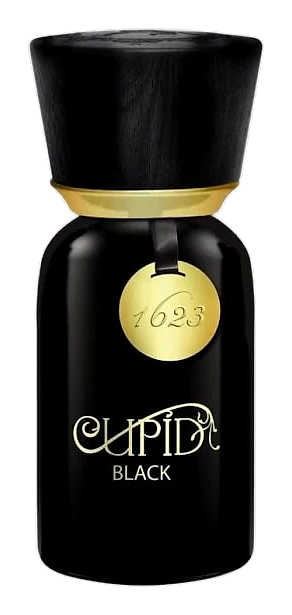
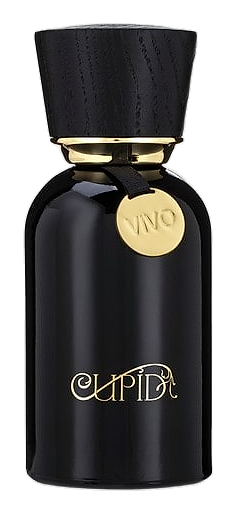
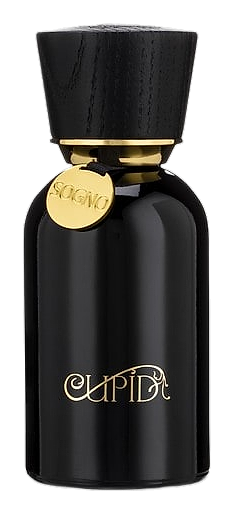
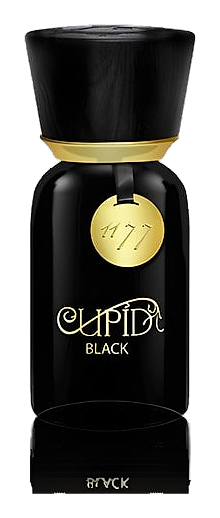
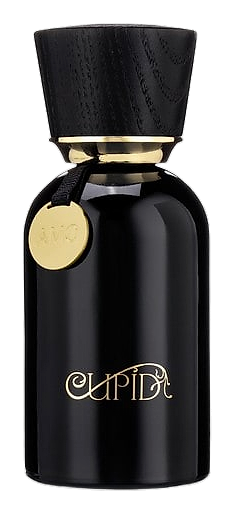
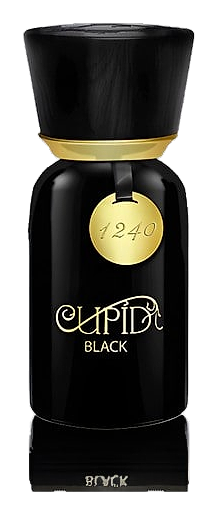
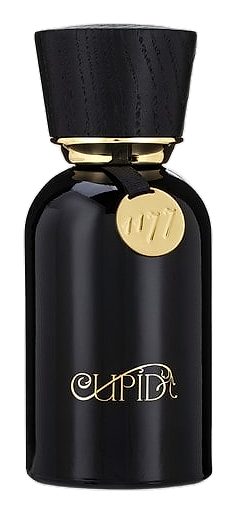
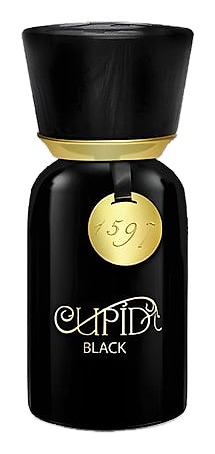
Cupid Black 1597 draws its inspiration from the tale of Romeo and Juliet, that most famous of lovers, and the tragic willingness of two young people to risk everything for their love. The brand frames the scent as a tragedy of devotion, and the composition carries that brief in its structure: a bright, almost rude opening of apple, grapefruit, lemon, and mint, followed by the softer register of cashmere wood, cedarwood, geranium, and tonka bean. It launched in 2015, arriving as a numbered release with a name that works like a date and a signature at once. What makes the scent interesting is the tension between the two halves.
What makes this composition worth a closer look is the collision underneath. Citrus and mint sit against tonka bean, cashmere wood, and vanilla, so the whole thing carries warmth it doesn't advertise. Then seaweed and moss pull the base toward the shore, adding a saline, mineral dimension beneath the woods. Apple and grapefruit give the opening a fruit-sweet edge, but it never becomes edible, because mint keeps the balance cool and tonka keeps it soft rather than sugary.
The evolution
The first minutes are all appetite: grapefruit cuts sharp, lemon flashes bright, apple adds a crisp sweetness, and mint runs cold through the middle of it, like an open window in a warm room. The heart softens the temperature. Cedarwood and cashmere wood give the composition something to stand on, geranium adds a green herbal edge, and tonka bean starts pulling everything toward warmth. Then the base opens up, and seaweed arrives with a saline, mineral hush that makes the scent feel larger than it did a minute earlier. Moss settles underneath like damp stone. Amber and vanilla round the whole thing out, keeping the marine notes from drifting cold. What lingers is that strange seam between salt and sweetness, the point where the citrus sharpness meets the soft hay and wood of the base.
Cultural impact
Cupid Black 1597 was released in 2015, and its Romeo and Juliet inspiration places it in a familiar cultural register that anyone with a stake in the play will recognize immediately. The execution, however, belongs entirely to the composition itself, pairing a bright citrus and mint opening with a base of woods, tonka, vanilla, seaweed, and moss. What makes the scent worth a closer look is the contrast it holds: fruit-sharp and cooling at first, warm and mineral later, with the woods and hay notes doing most of the work in the middle.