The Story
Why it exists.
The beginning
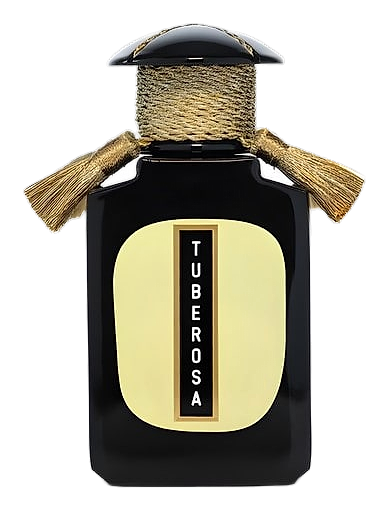
Holly Tupper built Cultus Artem around an idea most perfumers won't admit: that a fragrance can be a deliberate object, the way a well-set stone is an object. She treats each composition as a finished piece rather than a seasonal release, and the discipline shows in every detail. Tuberosa arrived in 2019 as part of her debut, and it wears the philosophy openly. The name tells you exactly what's inside, and what it asks of you. Tupper's approach treats composition as craft, not trend, and Tuberosa stands as proof. Each note is placed with intention, each material allowed to speak without being shouted over. The result feels considered from the first spray to the final drydown, a fragrance built to be worn and revisited rather than sampled once and shelved.
Indian tuberose anchors the composition, a white floral with depth and presence. Tupper sets it against Siam benzoin and Tolu balsam, two resins with different textures. One leans vanilla-sweet, the other leans cinnamon-warm, and together they build a base that cradles the florals without burying them. The Indonesian clove gives the whole thing a medicinal edge that keeps the sweetness from cloying. The apricot is a small gesture but a precise one. It catches the opening and makes the florals feel sun-warmed rather than cool.
The evolution
The bergamot and apricot arrive together in the opening, but they're not leading the parade. They're opening windows for the tuberose to enter through. Soon, the white florals have taken over, gardenia and ylang-ylang folding into the tuberose's narcotic sweetness. The clove shows up early and stays, threading a dry warmth through every phase. As the composition settles, the resins begin to take the floor. Siam benzoin and Tolu balsam settle underneath, turning the white petals amber and warm. The sandalwood emerges in the drydown, quiet and milky, holding everything in place. What remains is a skin-warm trail of benzoin, sandalwood, and the faintest ghost of clove. The fragrance doesn't announce itself and vanish; it settles in, shifts shape, and lingers with the kind of patience that rewards attention.
Cultural impact
Tuberosa sits in a specific corner of the niche world: compositions built around a single flower, given room to breathe without being diluted. Wearers who gravitate toward it tend to want their florals loud, narcotic, and unhidden, the kind of fragrance that fills a room and stays in memory. It appeals to those who treat fragrance as a statement rather than a backdrop, something chosen with intention rather than worn by default. The appeal is the honesty of it. You know what you're putting on, you know what the room will smell, and you wear it anyway.