The Story
Why it exists.
The beginning
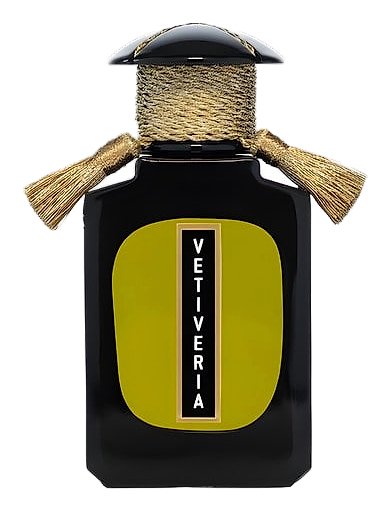
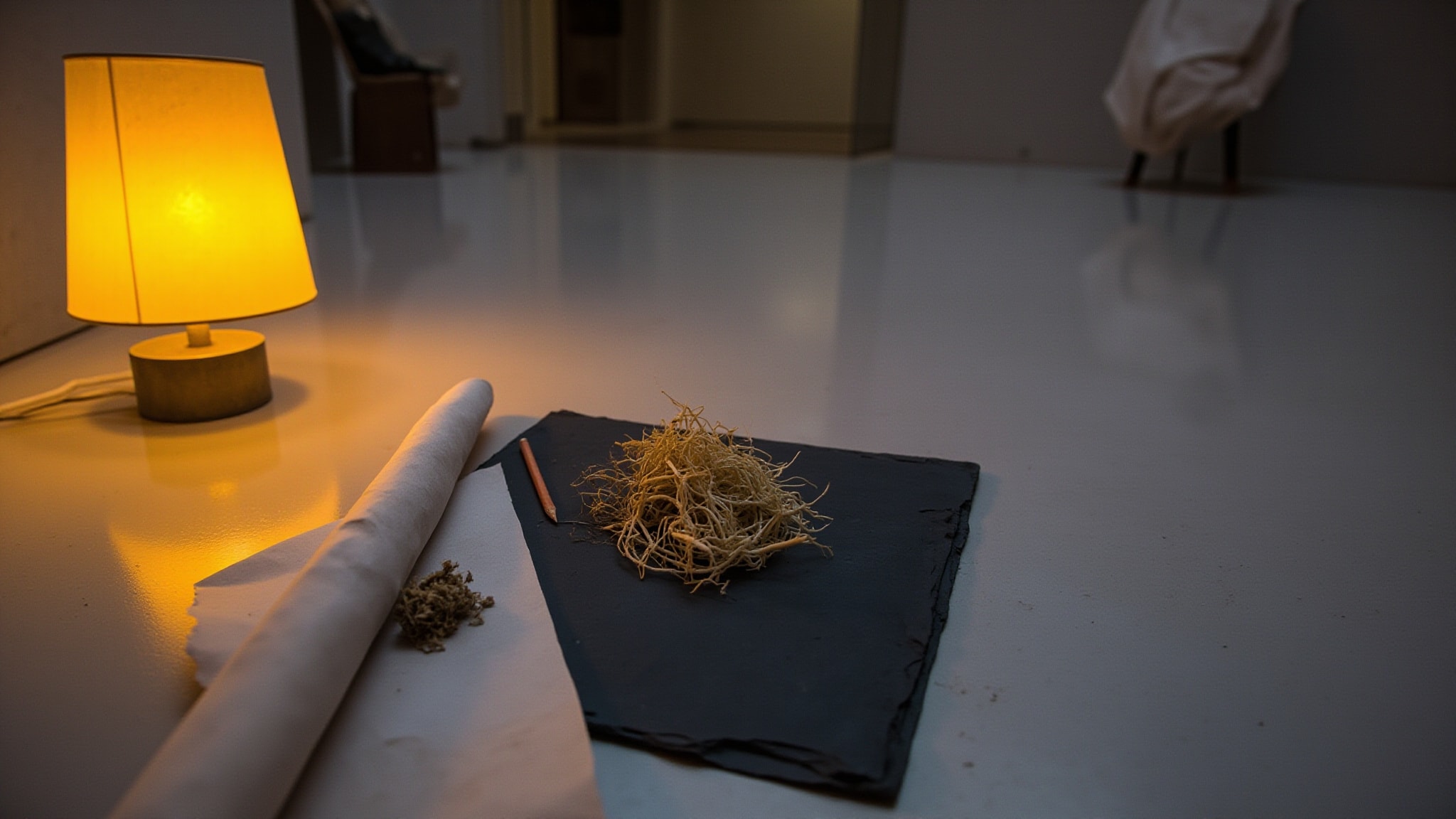
Vetiveria arrived in 2019 as part of Cultus Artem's debut collection of eight signatures. The brand reads Vetiveria as something primordial, a scent that speaks of life just beneath the surface, waiting. The name itself comes from the botanical genus for vetiver grass, a plant that sends its roots deep into dry earth, anchoring themselves in soil that other roots rarely reach. Haitian vetiver grounds the composition with its dry, earthy pull, a root note that carries the quiet authority of something grown slowly underground. Above it, fossilized Himalayan amber, resin hardened over 35 million years, lends the mineral weight of deep time.
The fossilized amber here reads differently from most amber in perfumery. Where others are warm, resinous, sometimes almost candied, this one is mineral and cold, a resin that spent 35 million years turning to stone before it reached the bottle. It gives the composition its backbone, the sense of something excavated rather than expressed. Mastic lifts above it with a bright, evergreen clarity, the way resin catches light on bark. It keeps the heaviness from sinking, offers a green, almost pine-like freshness at the top that prevents the amber from feeling funereal.
The evolution
The opening belongs to the smoke. Fossilized amber and mastic arrive together in a dense, faintly mineral haze, resinous and dark. There's a brightness from orange blossom that lifts the edges, a soft white floral that keeps the smoke from turning heavy. The Haitian vetiver hasn't fully surfaced yet; it sits beneath, waiting. Then, as the composition unfolds, the vetiver roots push through. Earthy and dry, almost loamy, the vetiver rises into the middle stages with the quiet authority of something that's been there all along, just below the threshold of perception. Orris settles in alongside it like dust on linen, powdery and violet-tinged, softening the mineral edges. Cedar and Australian sandalwood form a woody skeleton beneath, dry and smooth, giving the composition its quiet architecture. The coconut arrives last, a late softness that smooths the rough edges without sweetening them.
Cultural impact
Vetiveria has earned attention for its unusual use of fossilized amber, a material that reads as mineral and cold rather than the usual warm, resinous sweetness. The composition makes a quiet argument for restraint: Haitian vetiver at the root, fossilized amber as the mineral anchor, mastic lifting the top, coconut offering cool cream, orris tying everything to skin with its powdery hush, cedar and sandalwood forming a woody skeleton beneath. The scent appeals to those who prefer their fragrance rooted rather than showy. There's no flash here, no loud projection, no immediate sweetness to grab attention.