Holly Tupper
Holly Tupper grew up on Manhattan’s Upper East Side, surrounded by her mother’s flowers and her father’s spreadsheets. Her mother worked as a floral designer; her father traded stocks by day but “was very much a” creative soul at heart. Tupper inherited both influences. She spent years in finance before the pull of something more tactile became impossible to ignore. The turning point came in Singapore, where Tupper began seriously exploring fragrance creation. She refined her craft through formal studies in Grasse, France—the historic heart of perfumery—and in Bangkok, Thailand, absorbing Eastern approaches to scent. By the 1990s, she left finance behind and launched Cultus Artem, an independent house spanning fine jewelry, luxury fragrance, and artisanal skincare. Today, Tupper divides her time between her San Antonio atelier and a working ranch in Texas, where the wide-open landscape offers its own kind of inspiration. She continues to develop new scents from her studio, treating each fragrance as she would a piece of jewelry: something meant to be worn, treasured, and passed down.
The hits
Notable creations
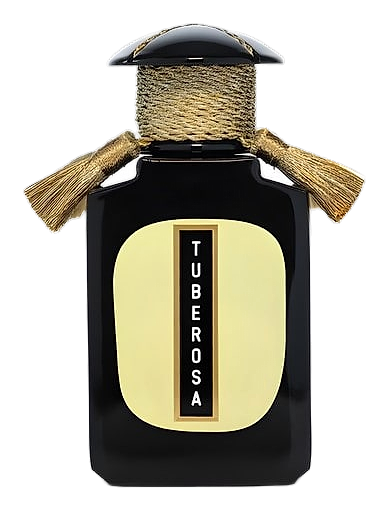
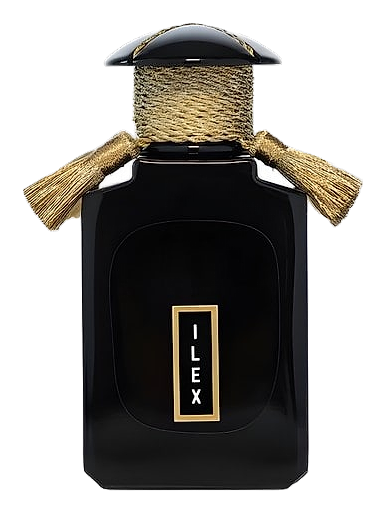
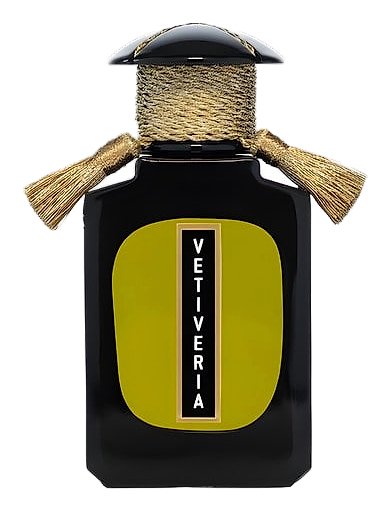
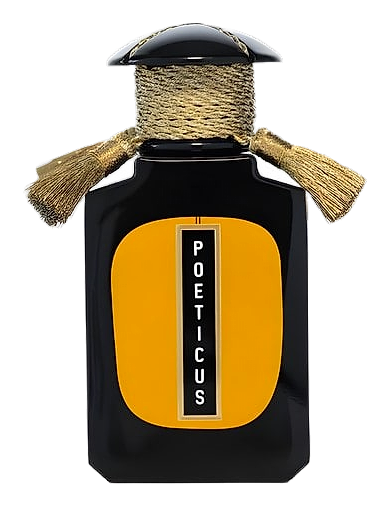
The signature
How Holly composes
Tupper draws heavily from her floral designer mother’s world, building fragrances around lush floral foundations—often layered with unexpected mineral or resinous undertones. Her background in jewelry-making translates into a keen attention to structure and precision; each note gets placed with the care of a setting on a ring. She favors natural materials when possible and trusts the passage of time within a composition. Her style leans toward the sculptural: bold shapes softened by texture, quiet strength rather than loud entrance.
Philosophy
What drives Holly
Tupper approaches fragrance as she approaches jewelry—each piece must stand alone as an object of beauty, while also carrying deeper meaning. She resists the transient. Her art-forward philosophy means every creation demands intention, patience, and a willingness to let materials speak on their own terms. Living and working in Texas has shifted her perspective further toward restraint and naturalism, favoring compositions that feel earned rather than obvious. For Tupper, perfume is not decoration; it is identity, made invisible.
The houses