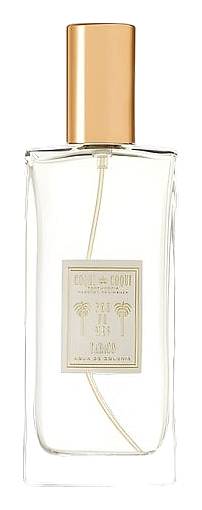

The Story
Why it exists.
The beginning
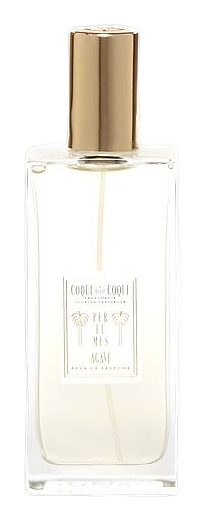
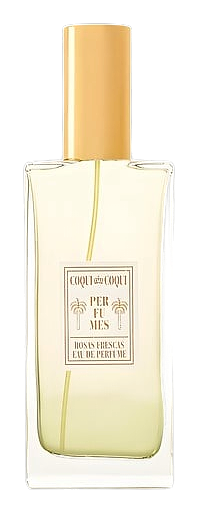
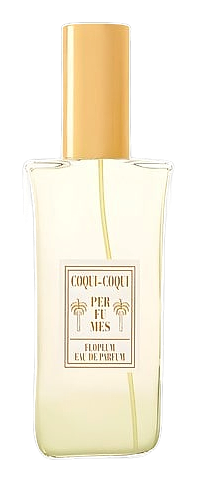
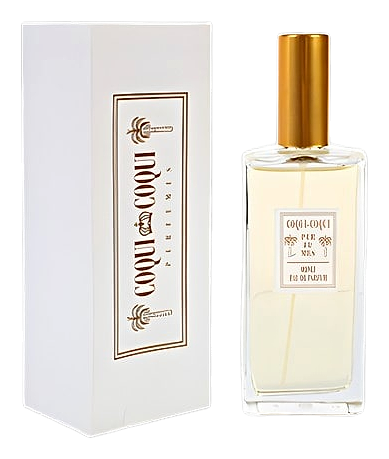
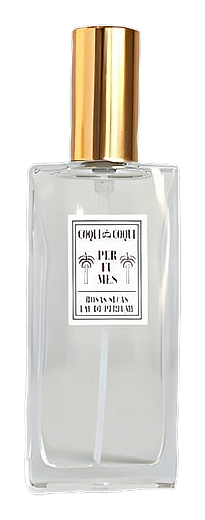
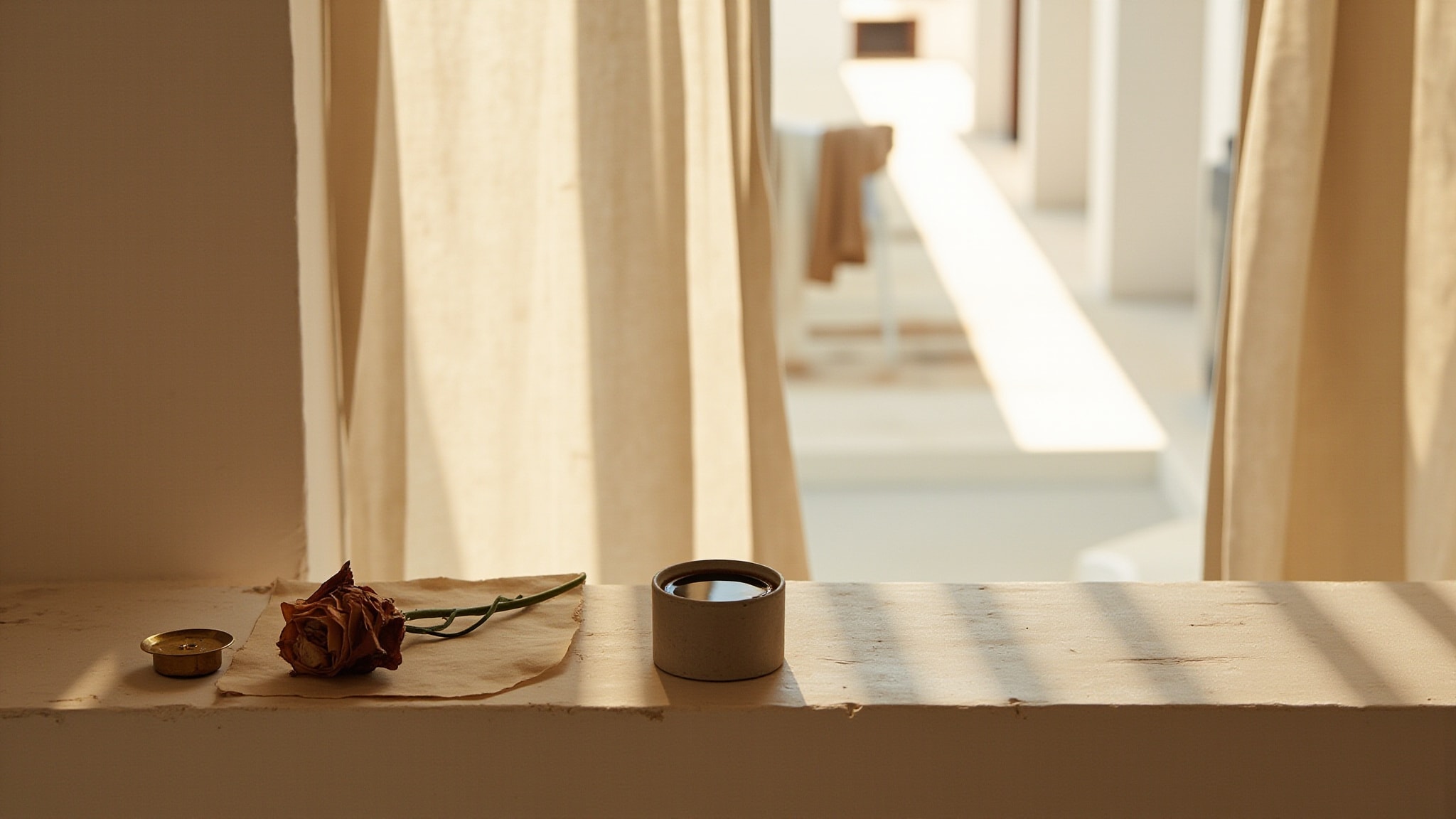
Rosas Secas translates to "dry roses," and that's not a poetic abstraction. It's literal. Nicolas Malleville, the perfumer behind this composition, built it around the moment a rose has already given up its bloom and settled into something more permanent. Not dead. Preserved. The kind of flower you find pressed between the pages of a book someone left on a windowsill in Tulum, where the heat and salt air have done their work over months. Coqui Coqui's fragrances are named after the raw materials and places of the Yucatan Peninsula, and this one stays true to that practice. The roses here are stripped of their lushness, their noise, their overt sweetness. What remains is structure. Form.
The pairing of rose with tobacco leaf is where this composition earns its distinction. Rosas Secas offers something rare: a rose that doesn't insist on its own vitality, that doesn't reach for fruit or musk to amplify itself. The tobacco leaf arrives not as a smoky flourish but as a dry, slightly sweet, leathery plant note, the kind of cured leaf you'd find in a humidor or a well-stocked apothecary. It doesn't enrich the rose so much as it stands beside it, a different kind of dryness recognizing itself.
The evolution
The opening arrives already subdued. What you get first is the soft talc-like hush of the powdery accord, as if someone opened a compact in the next room. There's nothing sharp or attention-seeking in those first moments, no bright burst designed to announce itself across a room. The rose surfaces gently, but it doesn't burst. It unfolds like something being unwrapped carefully, layer by layer, each one thinner than you'd expect. The tobacco leaf registers early on as dry, slightly sweet, leathery plant material. Think cured leaf, not lit cigarette. The texture is what defines this phase: everything feels matte, low-gloss, almost photographic in its flatness. As the composition settles into its heart, rose and tobacco lock into that preserved-flower tension. Neither dominates.
Cultural impact
Rosas Secas occupies an unusual corner of rose perfumery, one defined by restraint and material honesty rather than lushness or nostalgia. The tobacco-leaf pairing echoes classic tobacco florals, but the powdery execution gives it a distinctly modern, almost archival character, the kind of scent that feels curated rather than designed for mass appeal. Where the rose often gets treated as a vehicle for sweetness, for dewy youth, for romantic projection, here it's allowed to age on its own terms, to dry out, to fade, to become something closer to artifact than to flower. That approach gives the composition a quiet intellectual weight.
The House
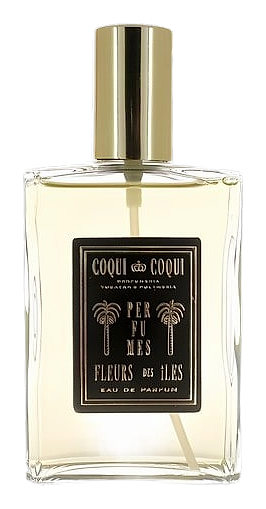
Coqui CoquiCoqui Coqui Perfumeria is a Tulum-born fragrance house rooted in the Yucatan Peninsula, creating scents that translate the raw beauty of its jungle and coastal landscape into wearable form. Founded by Nicolas Malleville and Francesca Bonato, the brand operates as both a perfume house and a collection of residences and spas scattered through the region. The collection centers on unisex compositions that favor earthy, botanical, and aromatic materials, drawing directly from the environment that surrounds the properties. Each fragrance carries the name of a local material or place, anchoring the work in the specific geography of southeastern Mexico. The brand remains relatively small in scope, with production tied closely to its Yucatan home rather than distributed through conventional retail channels.
The Creator
Nicolas MallevilleMalleville works with raw, plant-forward materials and minimal synthetic intervention. His signature favors tobacco, woods, and resins that express their geographic origins.