
The Story
Why it exists.
The beginning
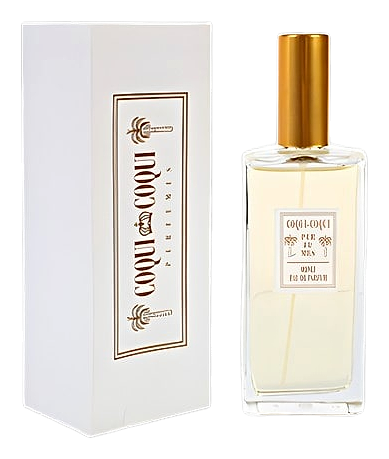
Eucaced arrived in 2015 from the house of Coqui Coqui, and the name itself bends toward eucalyptus, that mentholated green note that drops its scent into the air without asking permission. The composition is built around a single gesture of green, something close to the way cool air moves when you step under a tree canopy: bright, dry, woody, and a little bit alive. Not a finished perfume statement. Something closer to a botanical moment translated into something wearable on skin and linen alike. Cedar anchors the structure while eucalyptus lifts the whole accord with a cool, aromatic clarity. The result is a camphoraceous green that doesn't soften into sweetness or resin.
The accord strips back to two materials and lets them argue. Cedar brings the dry, structural backbone. Eucalyptus brings the cool, almost mentholated lift. There is no sweetness, no smoke, no resin cushion. That absence is the point. The composition reads as camphoraceous and aromatic rather than sweet or earthy, a deliberate pairing that refuses the usual cushions of wood fragrances. Green notes thread through the heart without softening the edges, reinforcing the impression of air moving through conifer needles rather than a finished perfume object.
The evolution
The opening is immediate and almost cold. Eucalyptus hits first with that menthol-bright crack, sharp enough to read like fresh sap or the inside of a peeled branch. Cedar arrives within minutes, not as a deep base note but as a present, structural element, giving the composition its wooden skeleton right from the beginning rather than waiting for the drydown. Green notes lace through the middle phase, keeping the whole thing lifted and slightly herbal, so the eucalyptus never collapses into something purely medicinal. The sharpness eventually softens. The cedar deepens and warms, the eucalyptus retreats to a cool hum beneath it, and what remains is a clean, dry wood that sits close to skin. On fabric, especially linen, the eucalyptus tends to linger longer than expected, ghosting back in moments of warmth.
Cultural impact
Eucaced sits within Coqui Coqui's catalog as one of the more stripped-down compositions, a pair of materials rather than a layered construction. It wears like what it is: two ingredients, cedar and eucalyptus, working in tandem without ornament or cushion. Wearers gravitate toward it for that honesty, the way it smells like its own materials without translation or embellishment. The scent stays clean from first spray to final trace, holding its shape rather than mutating across the wear. That kind of restraint is rare in a category that often rewards complexity, and it's exactly what makes Eucaced feel specific rather than generic.
The House
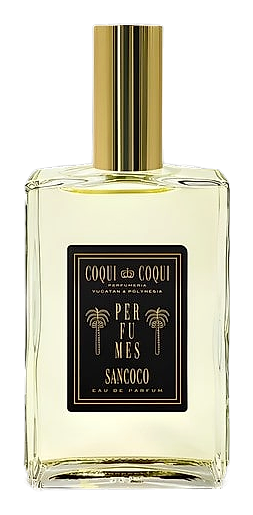
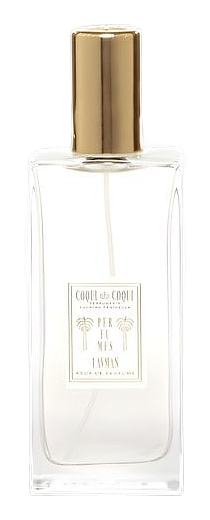
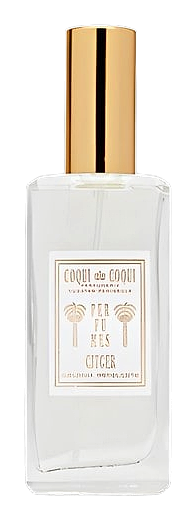
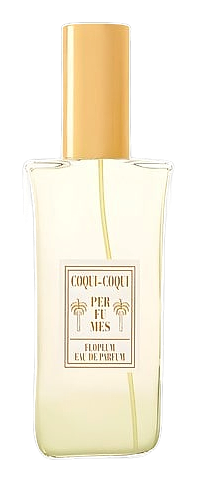
Coqui CoquiCoqui Coqui Perfumeria is a Tulum-born fragrance house rooted in the Yucatan Peninsula, creating scents that translate the raw beauty of its jungle and coastal landscape into wearable form. Founded by Nicolas Malleville and Francesca Bonato, the brand operates as both a perfume house and a collection of residences and spas scattered through the region. The collection centers on unisex compositions that favor earthy, botanical, and aromatic materials, drawing directly from the environment that surrounds the properties. Each fragrance carries the name of a local material or place, anchoring the work in the specific geography of southeastern Mexico. The brand remains relatively small in scope, with production tied closely to its Yucatan home rather than distributed through conventional retail channels.
The Creator
Nicolas MallevilleMalleville works with raw, plant-forward materials and minimal synthetic intervention. His signature favors tobacco, woods, and resins that express their geographic origins.