The Story
Why it exists.
The beginning
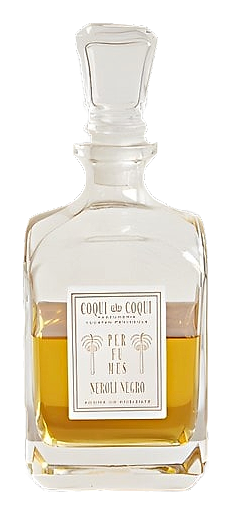
Neroli Negro comes from the Neroli Negro collection by Coqui Coqui, launched in 2015, composed by perfumer Nicolas Malleville. The scent is built around neroli, the oil expressed from the bitter orange tree, a material as tied to Mediterranean ritual as it is to perfumery's classical tradition. Here it gets a darker reading: bittersweet rather than bright, honeyed instead of sunlit. The opening carries that distinctive neroli sparkle, the petitgrain sharpness that comes from the leaves and twigs of the bitter orange tree, but almost immediately the composition pulls away from its usual sunny territory. A resinous warmth moves in underneath, giving the neroli something to lean against. There is a quiet smokiness at the edges, like embers cooling rather than a fire still burning.
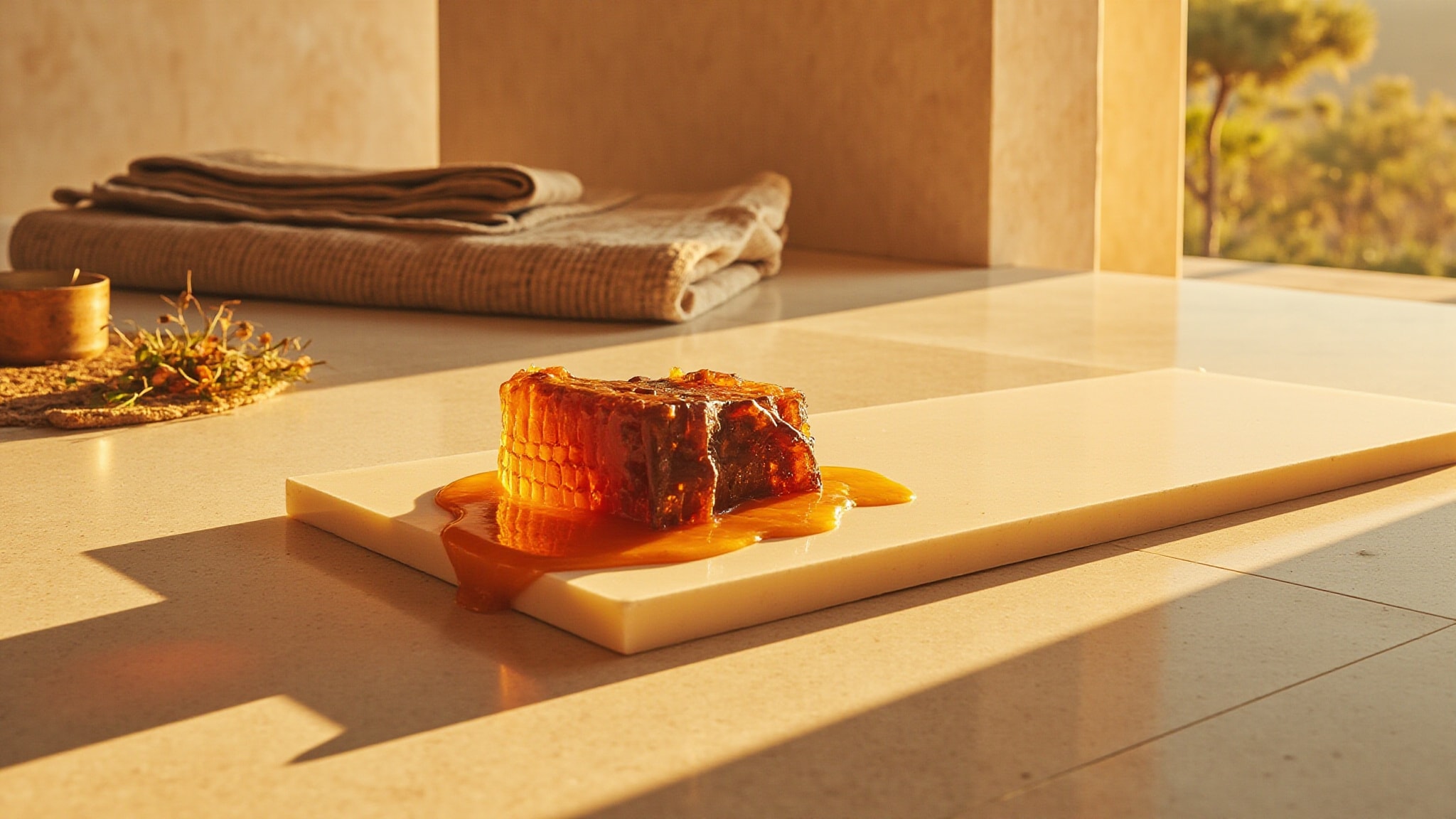
What this composition commits to is the shadow side of neroli. The familiar neroli facet, the petal-fresh quality that reads as soap, as air, as light through a window, is present but never allowed to dominate. This one pulls in the opposite direction. The honey accord and the spicy notes work together to coat that floral clarity in something warmer, something with weight. The honey reads as golden and slow, a sweetness that has lost its brightness through age rather than a fresh pour. The spice is warm rather than sharp, the kind of heat that registers as comfort rather than stimulus.
The evolution
The opening comes forward with the brightness you'd expect, neroli lifted by a thread of citrus, deceptively simple for the first few minutes. Then the honey arrives, and it doesn't trickle in so much as pour. It thickens the air around the wrists, adding a golden, almost resinous sweetness that wasn't visible from the start. Somewhere in the second hour, the spicy notes surface, a dry warmth that reads more like the memory of spice than spice itself, a smudge rather than a statement. On skin, the drydown runs close and intimate for the remaining hours, the honey settling into something darker, more ambered, while the neroli lingers as a pale ghost underneath. It doesn't project far after the first thirty minutes, but what's left is remarkably persistent, a warm trace on fabric the next morning that still carries the honey's sweetness.
Cultural impact
Neroli Negro stands as a warmer composition within the Coqui Coqui collection, one that pulls neroli toward gourmand and resinous territory rather than the cleaner, more traditional interpretations of the flower. The fragrance reads as an intimate scent, the kind that registers on skin and clothing rather than projecting across a room. It appeals to wearers who want presence without performance, warmth without the heaviness of a dense oriental. The honey accord gives it an almost edible softness, the kind of sweetness that suggests baked goods cooling on a counter rather than dessert in a glass.