Nicolas Malleville
Nicolas Malleville's story reads like a film treatment: scouted as a teenager in Uruguay, he spent his twenties commanding campaigns for Burberry, Gucci, and DKNY. But the model always harbored deeper curiosities. Training as a landscape architect with studies in botany, he began collecting fragrant plants and exploring how scent relates to place. In 2003, Malleville founded Coqui Coqui Perfumeria, establishing his first atelier in a small Mexican town. Working alongside partner Francesca Bonato, he developed each fragrance in Grasse before opening properties across Tulum and Valladolid. Today, he operates from French Polynesia, where the tropical landscape continues informing his botanical practice. Malleville has created thirteen perfumes spanning from 2003 to 2019, building a house defined by its connection to geography rather than fashion cycles.
The hits
Notable creations
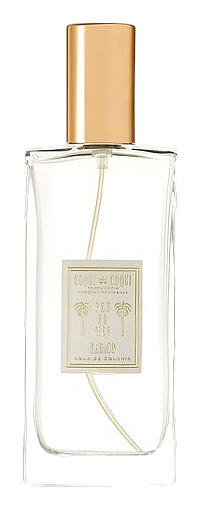
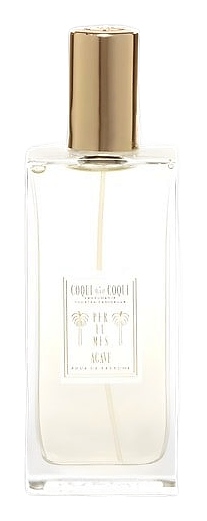

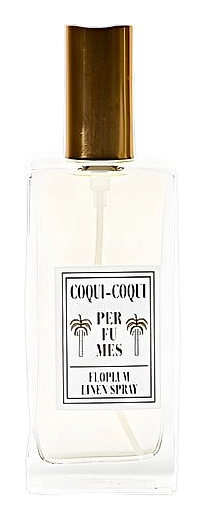
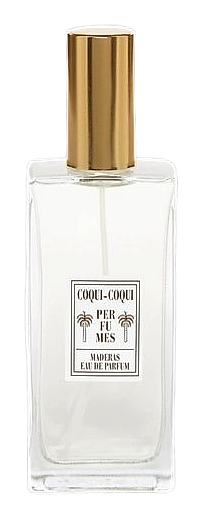
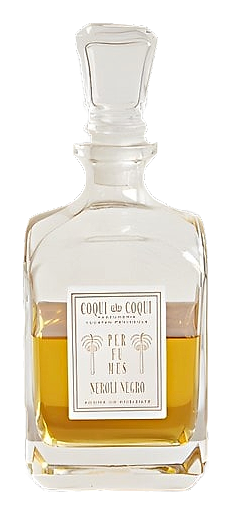
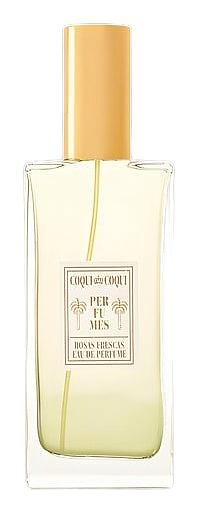



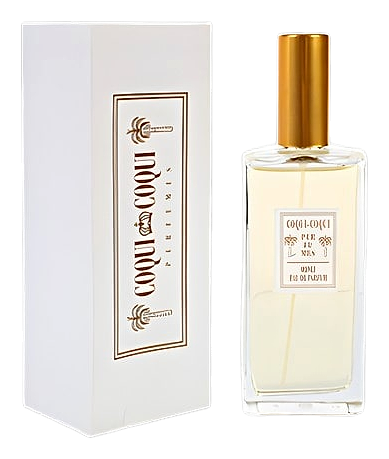
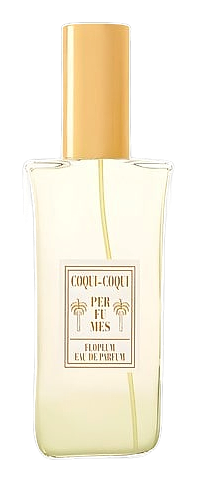
The signature
How Nicolas composes
Malleville works with raw, plant-forward materials and minimal synthetic intervention. His signature favors tobacco, woods, and resins that express their geographic origins. The compositions tend toward restraint, avoiding heavy construction in favor of transparent, airy structures. He gravitates toward ingredients that carry their terroir: vetiver from warm soil, resins from specific trees, florals grown under particular light. The result reads as sunlit and natural, with an almost architectural clarity that reflects his landscape training. His work avoids the theatrical in favor of something more intimate and grounded.
Philosophy
What drives Nicolas
Malleville treats place as the primary material. Rather than chasing trends or conceptual frameworks, he draws inspiration from wherever he finds himself, translating local botanicals and atmospheric impressions into wearable form. His training in landscape architecture shapes an approach that sees fragrance as a way to inhabit a location, not merely reference it. He builds his perfumes around plants that grow near his properties, collaborating with the land rather than extracting from it. This site-specific methodology keeps his work grounded in physical reality, rejecting abstraction in favor of honest botanical expression.
The houses