The Story
Why it exists.
The beginning
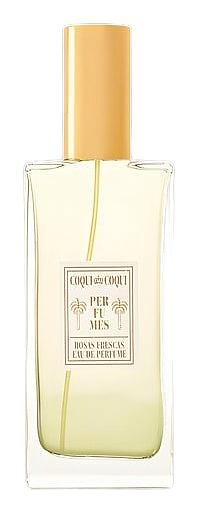
Rosas Frescas arrived in 2013 from Coqui Coqui, a fragrance house whose approach favors directness over ornamentation. The name translates plainly: fresh roses. The composition is just as direct. The perfumer behind the scent set out to render rose at its most unmediated, paired only with lemon to keep the bloom sharp rather than romantic. The choice of rose water over essential oil or absolute keeps the composition in cologne territory. There's no attempt to add depth through musk, amber, or wood. What you get instead is a stripped-back presentation where the materials speak for themselves, nothing layered on for warmth or weight. The result is something that feels like an honest accounting of a flower, not a built-up interpretation.
What makes Rosas Frescas interesting is what it leaves out. The rose stands almost alone, with lemon as the only structural partner, and the resulting composition reads as an exercise in restraint. The rose water choice matters specifically. It carries less of the dense, concentrated richness you'd get from a rose absolute. Instead it keeps that translucent, slightly soapy clarity you find in rose water used in cooking, in skincare, in ritual baths. That clarity defines the whole composition.
The evolution
The first thirty minutes are almost aggressive in their brightness. Lemon cuts across the top of the wrist like a knife through cold fruit, and the rose water underneath reads sharp and slightly medicinal, closer to rosehip than to a garden bloom. There's no sweetness cushioning the impact. You smell the structure of the flower, not its perfume. By the two-hour mark the lemon has stepped back but hasn't disappeared. The rose takes fuller shape, gaining a dewy, almost wet quality that some wearers describe as soapy and others read as clean linen. It stays linear rather than evolving into new territory. There is no pivot to amber, no sudden reveal of wood or musk. The composition holds its shape the way a well-made cologne does: the same essential character, simply softer.
Cultural impact
Rosas Frescas has found its audience among those drawn to cologne-style freshness rather than the richer, denser rose compositions that often define the category. The fragrance appeals to wearers who find traditional rose perfumes too sweet, too weighty, or too intent on signaling luxury. It reads as something stripped back, closer in character to a heritage splash than a contemporary floral, and that stripped-back quality has earned it appreciation from fragrance enthusiasts looking for honesty over ornamentation.