The Story
Why it exists.
The beginning
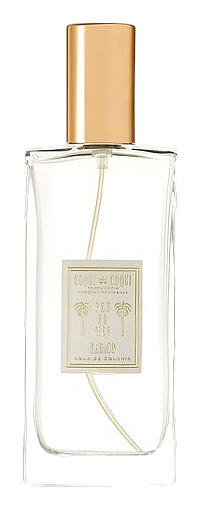
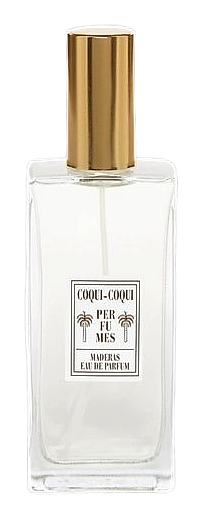
Maderas means woods. That's the whole brief. Nicolas Malleville, who co-founded Coqui Coqui, released this in 2005. The Yucatan Peninsula where their work takes shape is jungle and coast. Dense, humid, alive. This one points inward, toward the trees. Sandalwood and tropical timbers form the spine, with green aromatic notes threading through like light filtering through canopy. It's not an abstract concept of forest. It's the specific hush of standing among tall trees while the air stays heavy and still. The composition reads as a place before it reads as a product. You smell it and the landscape arrives with it, the heavy green weight of leaves holding moisture, the stillness that settles when wind dies down between branches. The wood is unmistakable but it's never sharp.
What makes Maderas interesting is what it leaves out. No oud shouting for attention. Just wood, and woods that smell like the ground they grew from. Sandalwood brings the creaminess, the slightly milky warmth. The tropical woods underneath add something drier, more resinous, almost architectural. Together they create a composition that reads as a place, not a product. That restraint is the point. Coqui Coqui builds scents tied to territory, and Maderas is the one that smells least like a bottle and most like standing somewhere. You catch it on yourself and the room doesn't fill with it.
The evolution
The first stretch of wear is the greenest. An aromatic lift pushes through the wood, giving the opening a brightness that reads as cool and almost herbal, like mint tea cooling on a stone counter somewhere damp and shaded. That brightness fades gradually, not all at once but in slow retreats, and the sandalwood moves into the center, warm and slightly creamy, the kind of warmth that reads as skin rather than spice. The tropical woods settle underneath, adding a dry, resinous depth that keeps the composition from going soft, that keeps the sweetness honest. As the hours pass, it pulls close to the body, a faint dusty quality emerging that one reviewer compared to classic Dial soap, that clean, soapy freshness married to something heavier, something with grain and weight. Later still, what's left is a pale, woody whisper, dry and clean, barely announcing itself.
Cultural impact
Maderas moves in a current of sandalwood-forward scents, the kind of woody compositions that keep their heads down and their noses close to the wearer. Where some of those names have become shorthand, recognized the moment someone walks past, Maderas stays under the radar. It's a niche offering, a scent for people who already know what they're reaching for, who want the wood without the branding. The kind of fragrance someone wears linen with. No logos required. It earns its reputation through repetition among the people who keep wearing it, through the small nods of recognition that happen when one wearer passes another.